How does a CNC electric servo press brake machine improve workplace safety compared to traditional hydraulic models?
A CNC electric servo press brake machine offers several features that significantly improve workplace safety compared to traditional hydraulic press brake models. Here's how it enhances safety:
Precise Control and Reduced Risk of Accidents
Servo motor control provides highly accurate and consistent positioning of the slider, which reduces the likelihood of human errors during the bending process. In contrast, hydraulic models may experience variability in movement, increasing the risk of mishaps.
With the servo-driven system, operators can precisely control the speed and movement of the slider, making it easier to stop or adjust the operation in real-time, minimizing the chance of accidental injuries.
Lower Operating Noise and Heat
Servo press brakes operate more quietly than hydraulic models, which typically generate high noise levels from pumps and hydraulic systems. Lower noise reduces the risk of hearing damage and enhances the overall comfort and safety of the working environment.
Electric servo machines produce less heat, reducing the risk of heat-related injuries and the need for extensive cooling systems, which can also introduce safety risks (such as burns or overheating hazards).
Elimination of Hydraulic Fluid
One of the key safety advantages is the absence of hydraulic fluid, which eliminates the risk of leaks, spills, or fires associated with hydraulic oils. Hydraulic leaks in traditional press brakes can create slippery surfaces, leading to slip-and-fall accidents, and the oil itself poses an environmental and fire hazard.
Safety Features and Protective Enclosures
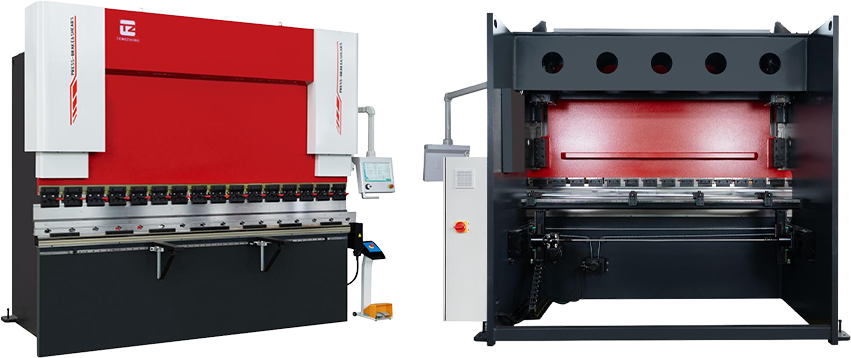
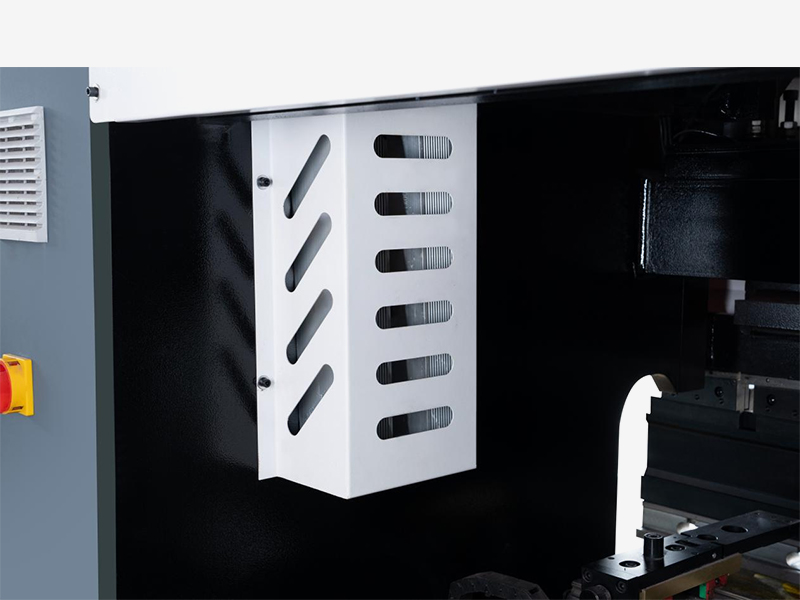
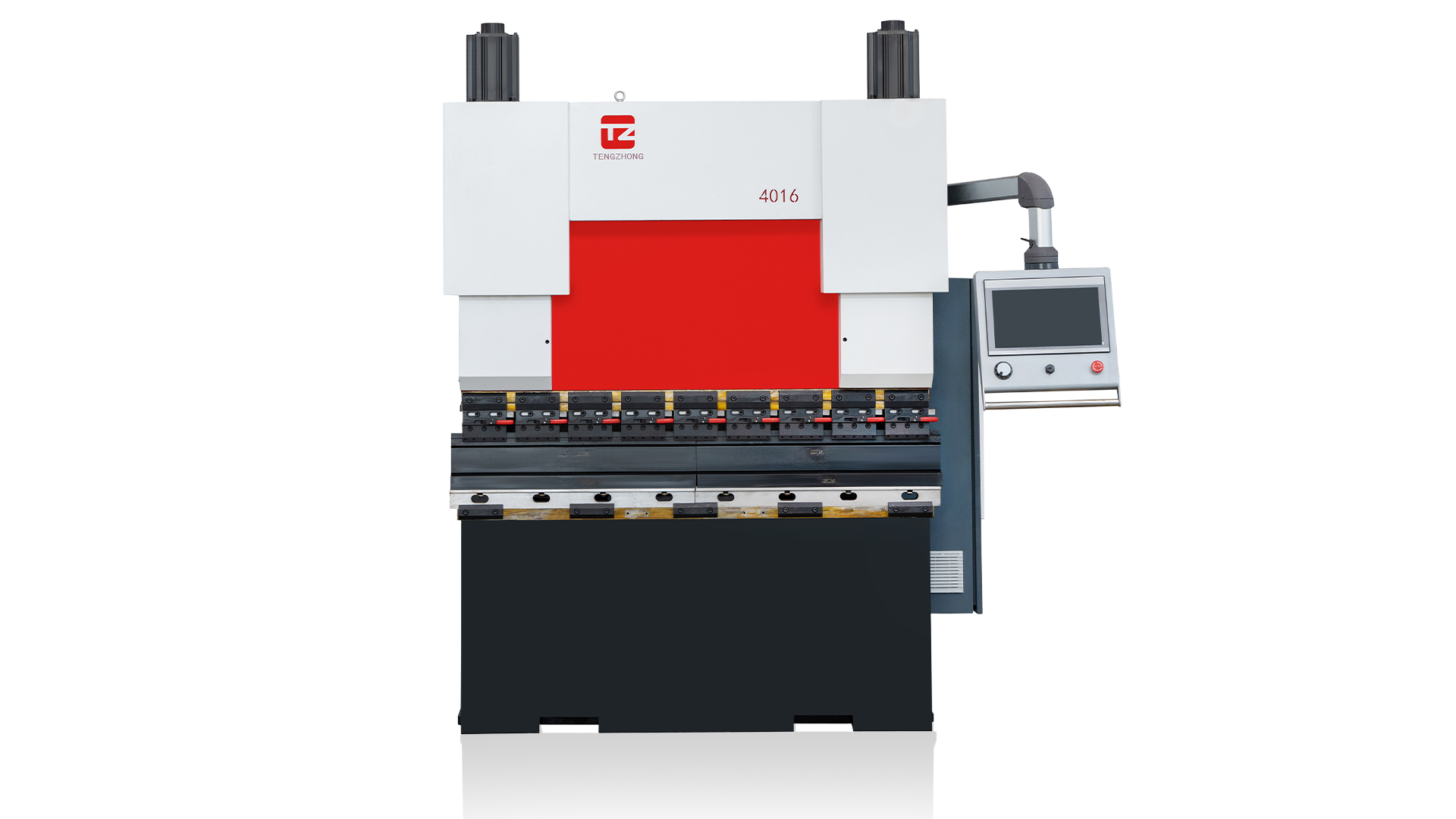
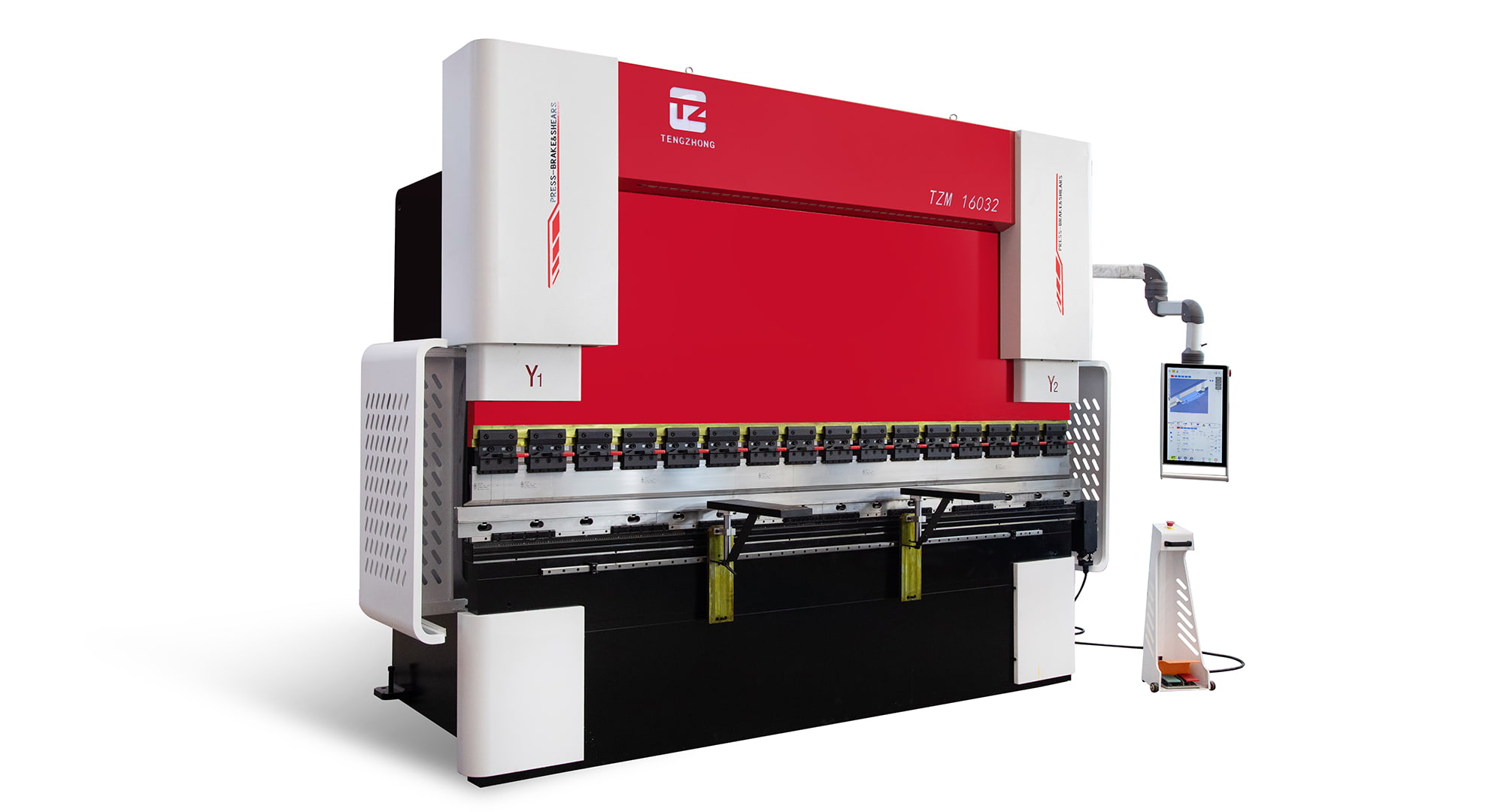
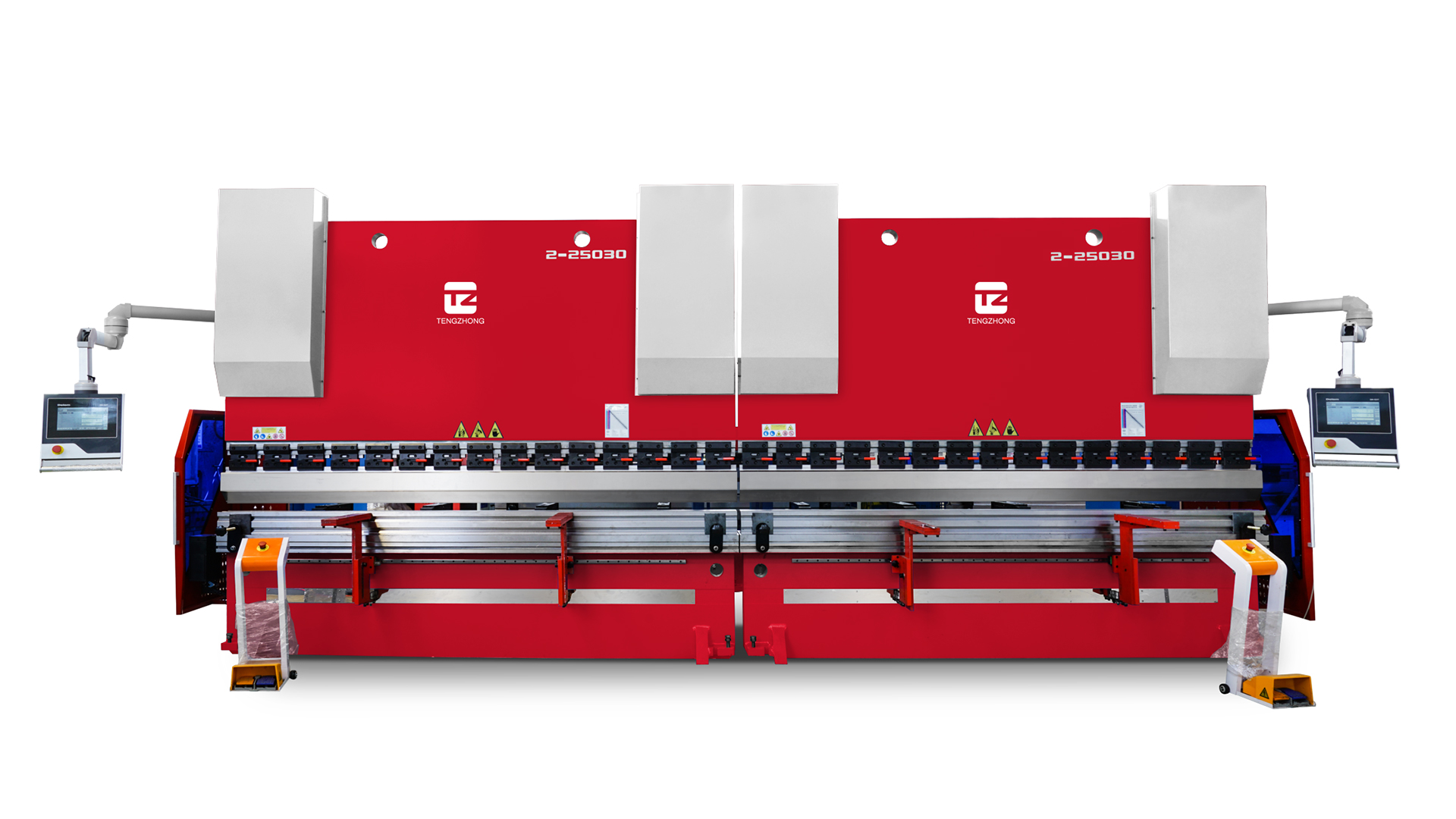
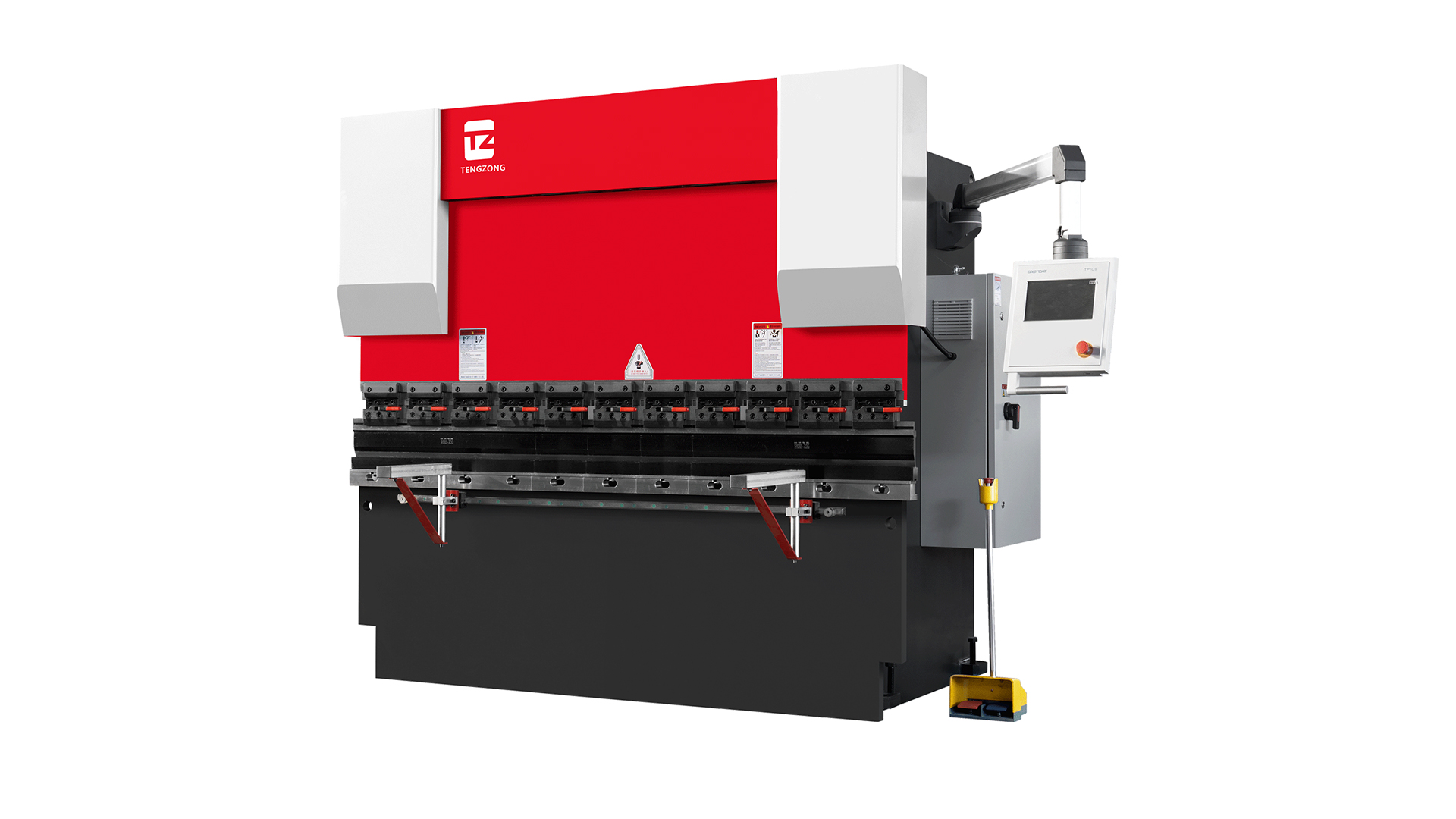
CNC electric servo press brakes are often designed with fully enclosed constructions, protecting both the operator and the machine’s internal components. These machines often come equipped with physical guards or safety barriers, which prevent accidental contact with moving parts.
Many machines also feature front and rear LED lighting, which improves visibility during operation. Better visibility can reduce the risk of accidents due to poor lighting conditions in the workspace.
Advanced Control Systems
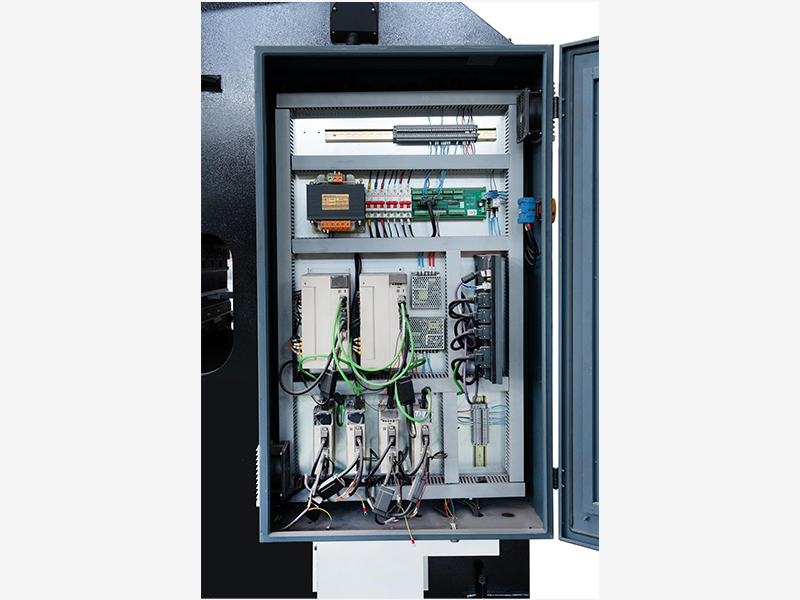
CNC electric servo machines are equipped with advanced control systems that can include safety interlocks, ensuring that the machine will not operate if the guard is open or if a safety condition is violated. Traditional hydraulic machines may not have these advanced interlock features.
These systems can also allow for remote monitoring, giving supervisors the ability to oversee operations and quickly intervene if an unsafe condition arises.
Automated Safety Sensors
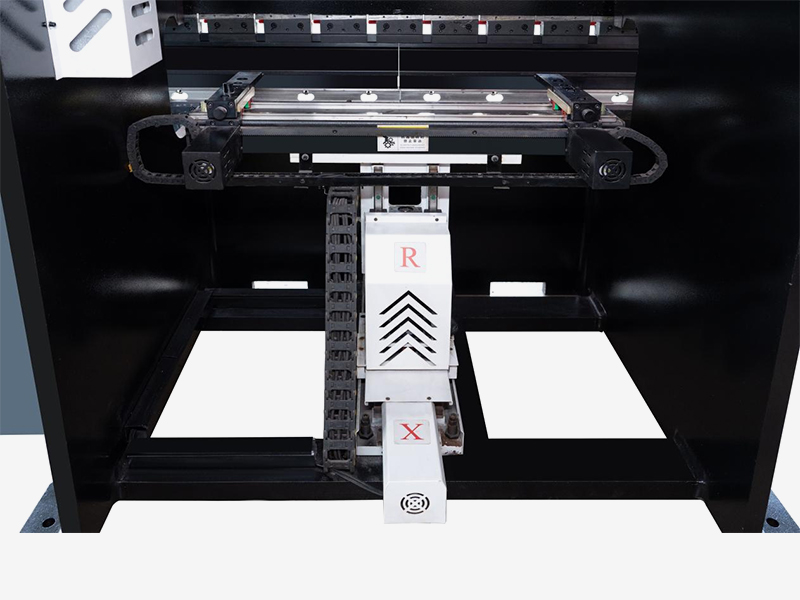
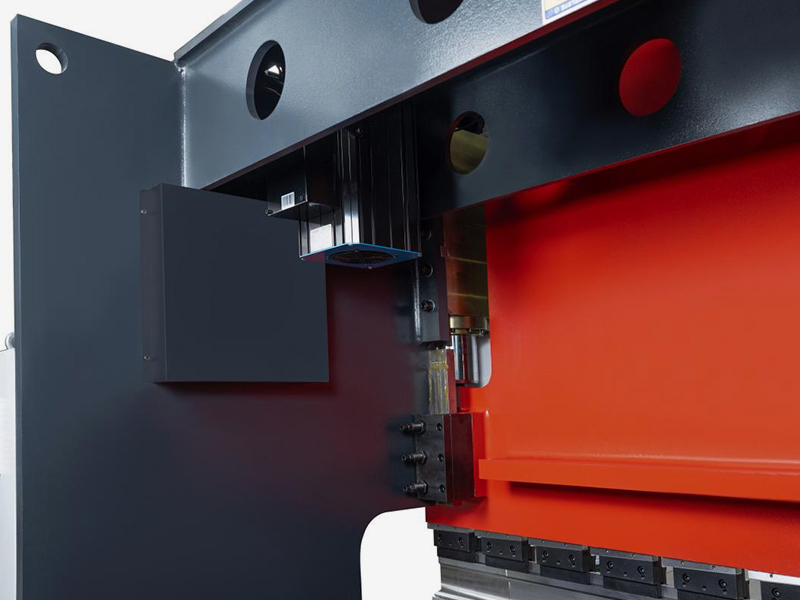
Many CNC electric servo press brakes are equipped with laser or infrared safety sensors, which automatically stop the machine if an obstruction (such as a hand) is detected near the danger zone. This type of real-time detection and reaction is a significant upgrade in safety compared to older hydraulic models.
Additionally, the closed-loop measurement system helps the machine monitor its operations with high precision, reducing the chance of unintentional movements that could result in accidents.
Programmable Safety Settings
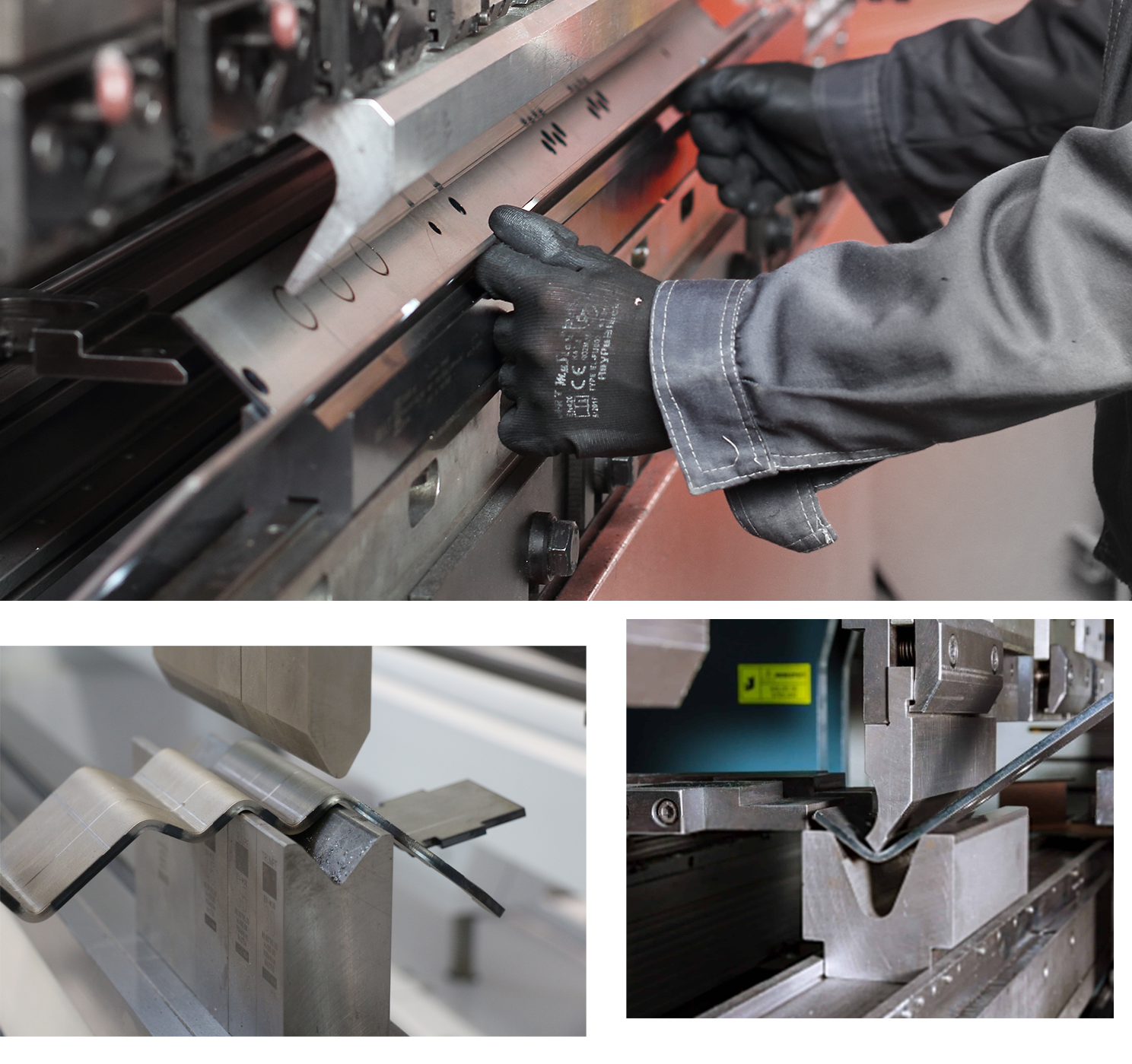
The CNC interface allows operators to program specific safety settings, such as slow down speeds, during the final approach of the bend. These customizable safety parameters reduce the risk of pinching or crushing injuries, which are more common in traditional hydraulic systems where control is less refined.
Emergency Stop Systems
Modern servo press brakes include emergency stop features that are more responsive due to the electric system’s quicker reaction times. If an emergency stop is initiated, the servo motor can halt the machine instantly, whereas hydraulic systems may have a slight delay due to the nature of fluid pressure release.
In comparison to traditional hydraulic press brakes, CNC electric servo press brake offer enhanced safety through precise control, advanced sensors, protective enclosures, reduced noise and heat, and the elimination of hazardous hydraulic fluids. These features create a safer work environment, reducing the risks of accidents, injuries, and environmental hazards.


 English
 русский
 Français
 Español
 Português
 عربى
عربى