
 English
 русский
 Français
 Español
 Português
 عربى
عربى

-


Model:
-

Model:
-

Model:

18 Gauge to Inches: Conversion Chart for Steel, Stainless and Aluminum
2026-09-18
Content
Eighteen gauge steel is 0.0478 inches thick, which works out to 1.214 millimeters — a shade thicker than 3/64 inch and just under 1.25 mm. That is the number most fabricators want when they search "18 gauge to inches," and it is only part of the answer. The same gauge number describes 0.0500 inches in stainless steel, roughly 0.052 inches in galvanized sheet, and 0.0403 inches in aluminum. The inch value moves with the material, and the gaps are large enough to change how you quote a job, set a blade clearance, or size a press brake. Here is how the conversion actually works, and where each figure matters on the shop floor.
Quick answer: 18 gauge carbon steel = 0.0478 in (1.214 mm); 18 gauge stainless steel = 0.0500 in (1.27 mm); 18 gauge aluminum = 0.0403 in (1.02 mm); 18 gauge galvanized steel = about 0.052 in (1.32 mm).
Why One Gauge Number Has Several Inch Values
Gauge is not a true unit of length — it is a holdover from the wire trade. Wiremakers described rod by the number of passes through drawing dies, so a higher number meant more draws and a thinner product. Sheet steel later borrowed the same ladder and anchored it to weight. Under the Manufacturers' Standard Gauge still used across the North American sheet trade, 18 gauge carbon steel is defined so that a square foot weighs almost exactly 2 pounds; dividing that weight by the gauge basis produces the familiar 0.0478 inch figure.
Each material group then went its own way:
- Carbon and galvanized steel follow the weight-based Manufacturers' Standard Gauge.
- Stainless steel is usually bought against a chart that puts 18 gauge at 0.0500 inches (1.27 mm).
- Aluminum, copper and brass follow the Brown & Sharpe (AWG) ladder, where 18 gauge equals 0.0403 inches (1.02 mm).
- The U.S. Code even contains a legal "standard gauge" that rounds 18 gauge to a clean 0.05 inches, used mainly for weight calculations rather than day-to-day buying.
None of these charts is wrong; they answer different questions. That is exactly why quoting "18 gauge" without naming the material invites trouble, and why every reliable conversion chart lists a column of metals instead of a single number.
18 Gauge to Inches and Millimeters, by Material
The table below collects the values you will actually meet on quotes and material certificates.
| Material | Thickness (inches) | Thickness (mm) | Typical 18 gauge uses |
|---|---|---|---|
| Carbon / mild steel | 0.0478 | 1.214 | HVAC ducts, cabinets, brackets |
| Stainless steel | 0.0500 | 1.270 | Sinks, food-service equipment, cladding |
| Galvanized steel | approx. 0.052 | approx. 1.32 | Outdoor enclosures, ductwork, roofing |
| Aluminum | 0.0403 | 1.024 | Trailers, panels, signage |
Weight separates the materials just as sharply: an 18 gauge steel sheet runs about 2.0 pounds per square foot, while the same area in 18 gauge aluminum weighs roughly 30 percent as much.
How 18 Gauge Sits Among Its Neighbors (Carbon Steel)
Each two-gauge step changes thickness by roughly a fifth to a quarter, so small labeling errors have real consequences.
| Gauge | Inches | Millimeters |
|---|---|---|
| 16 | 0.0598 | 1.519 |
| 18 | 0.0478 | 1.214 |
| 20 | 0.0359 | 0.912 |
| 22 | 0.0299 | 0.759 |
The bars below draw all four 18 gauge values to the same scale, which makes the spread easy to see.
Shearing 18 Gauge Sheet: Clearance Does the Work
At 1.2 mm, an 18 gauge sheet punishes a badly set shear. Blade clearance is normally expressed as a percentage of thickness — around 5 to 8 percent per side for mild steel — which works out to roughly 0.06 to 0.10 mm at 18 gauge. Set it too wide and the cut edge shows heavy rollover and burrs; set it too tight and cutting force climbs while blade edges wear prematurely. Hold-down pressure matters just as much, because thin sheet tends to lift and bow ahead of the blade instead of shearing cleanly.
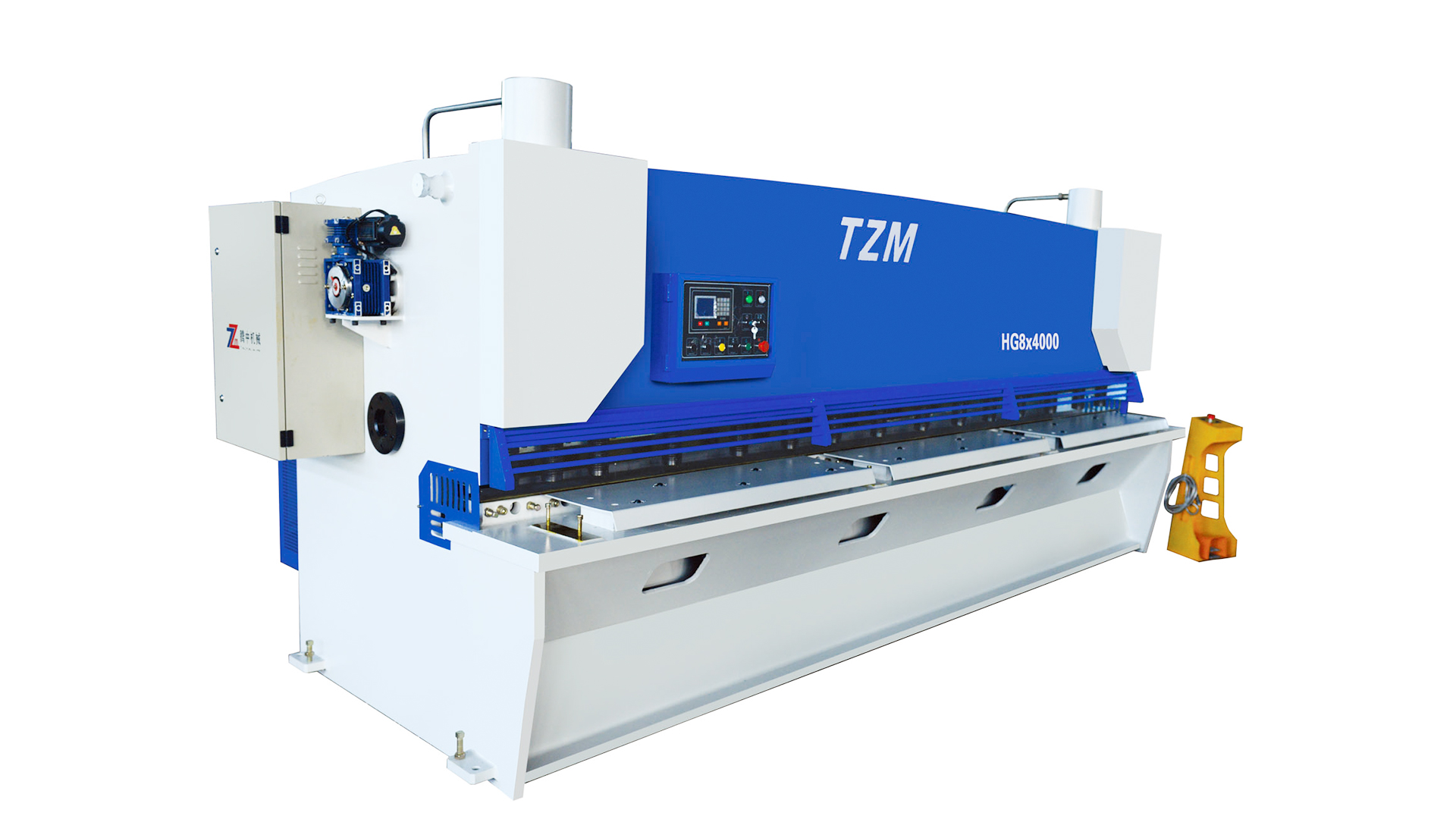
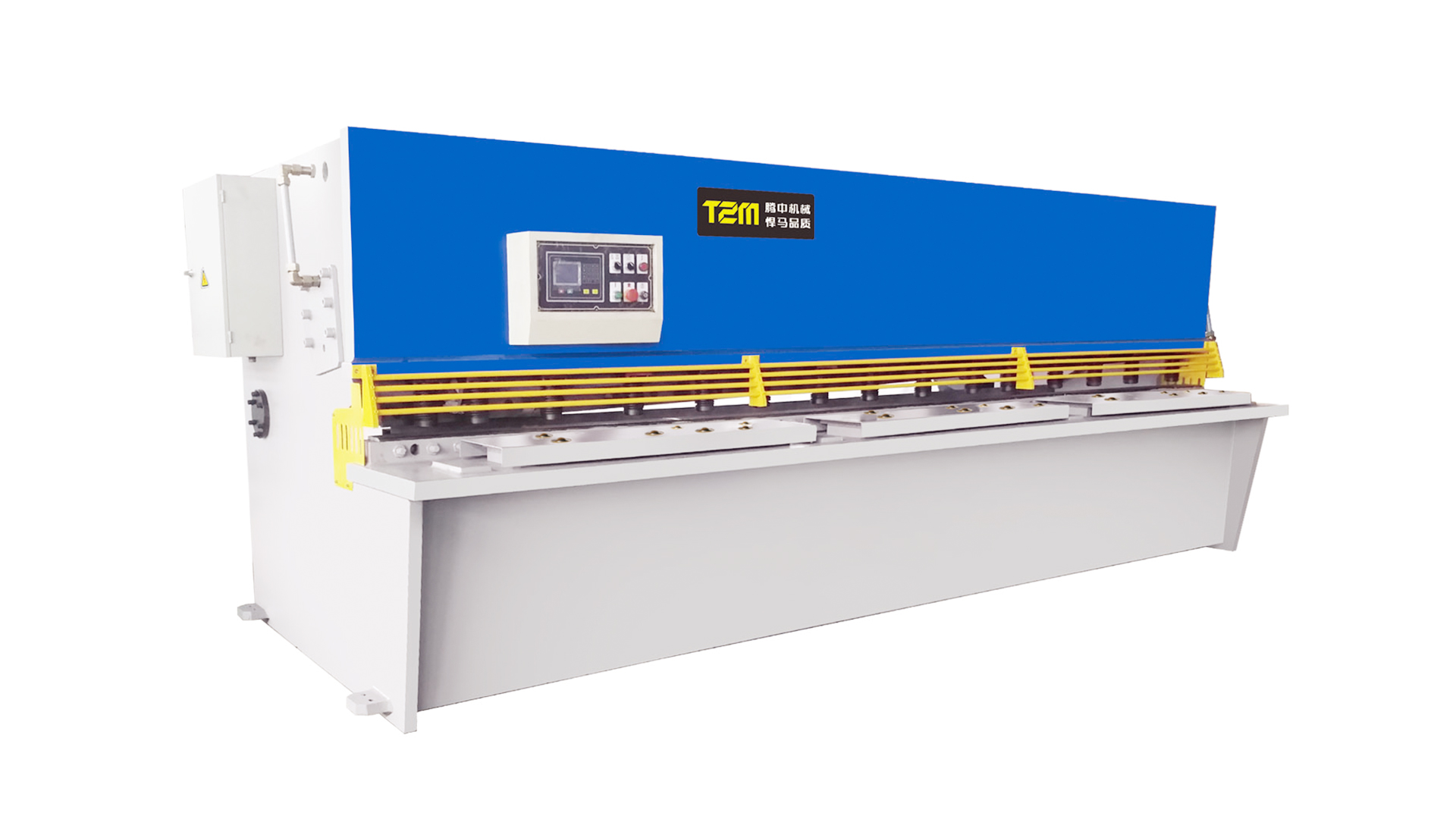
Guillotine and swing-beam machines both handle this range, and the difference shows up in repeatability over a long shift. A CNC hydraulic guillotine shear holds the gap and back gauge where you set them, which is what repeat batches of 18 gauge blanks actually need. For a practical walkthrough of gap setting, see this guide to adjusting the clearance in a shearing machine.
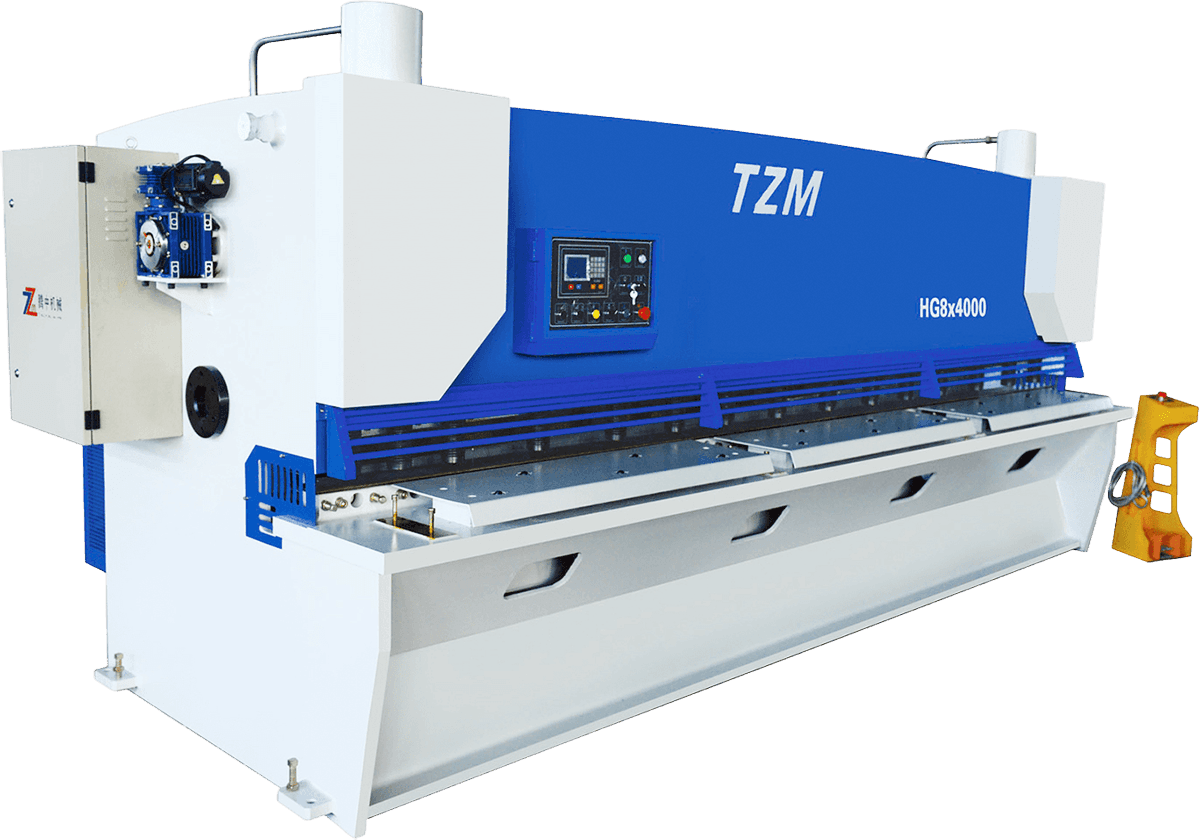 CNC Hydraulic Guillotine Shearing MachineA CNC-controlled hydraulic guillotine shear with high-precision back gauge for cutting sheet metal blanks. It suits repeat batches of thin 18 gauge sheets, where stable gap and back gauge settings keep blanks consistent across long shifts.View Product →
Bending 18 Gauge: Low Tonnage, Real Precision
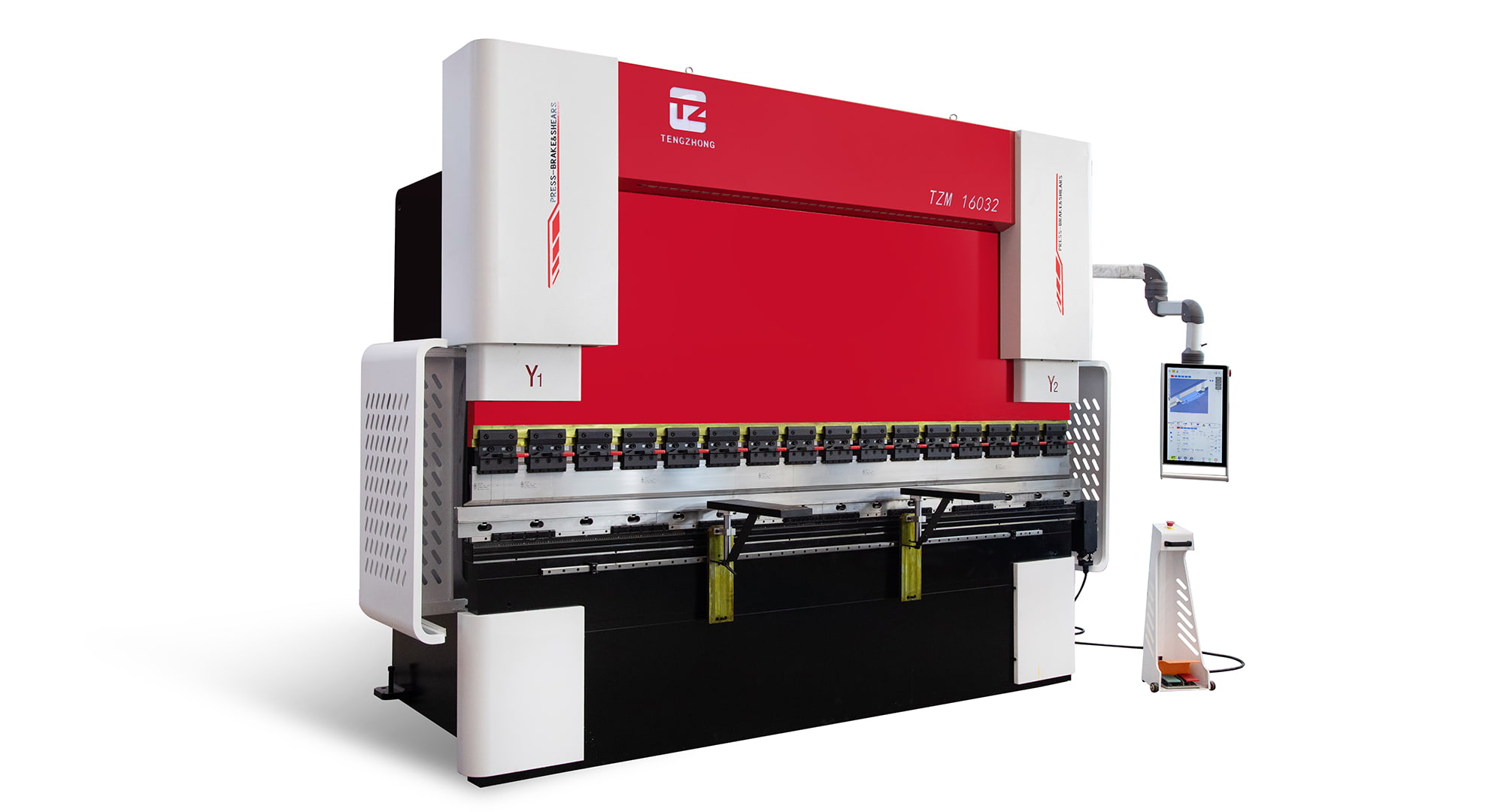
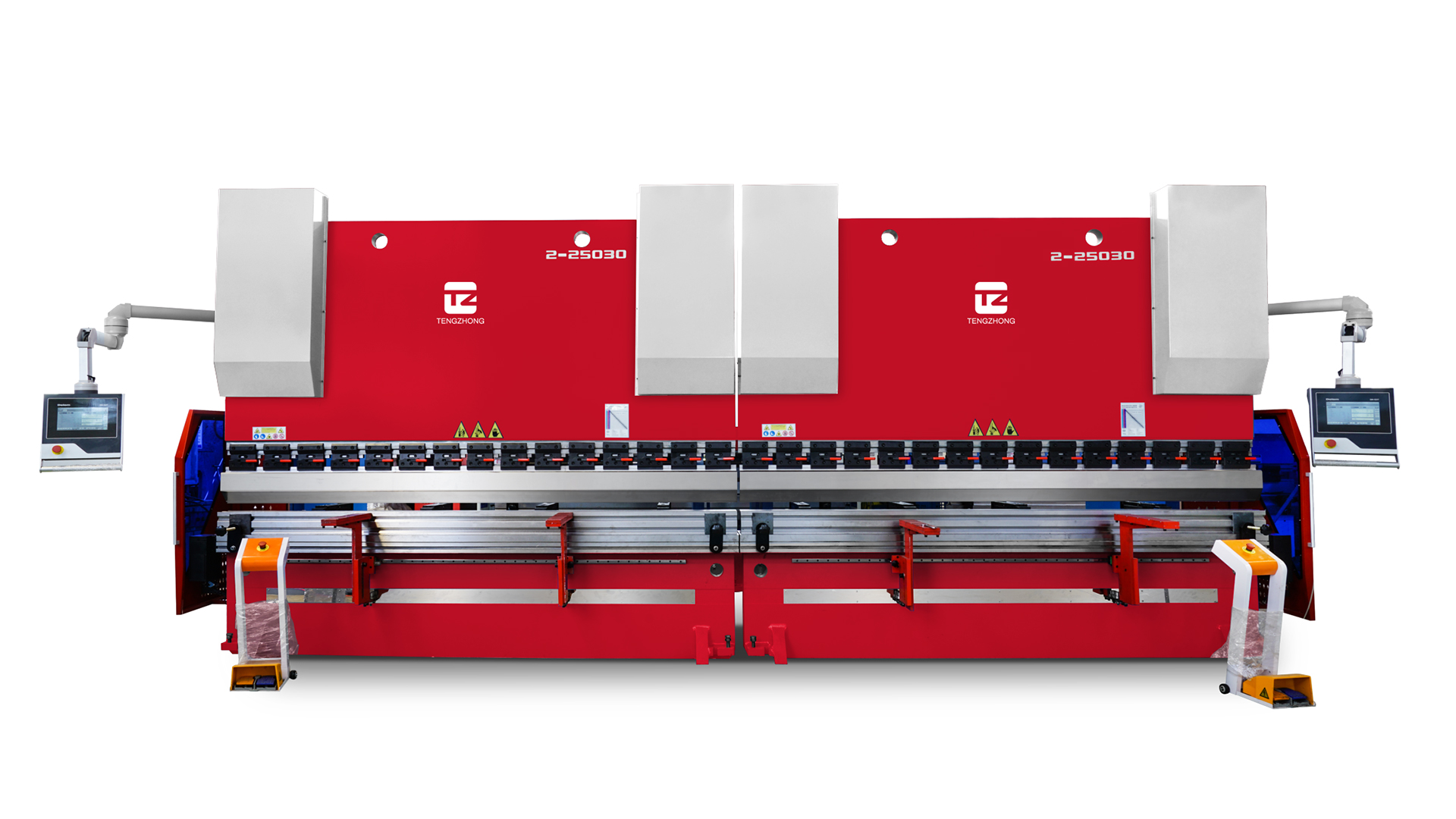
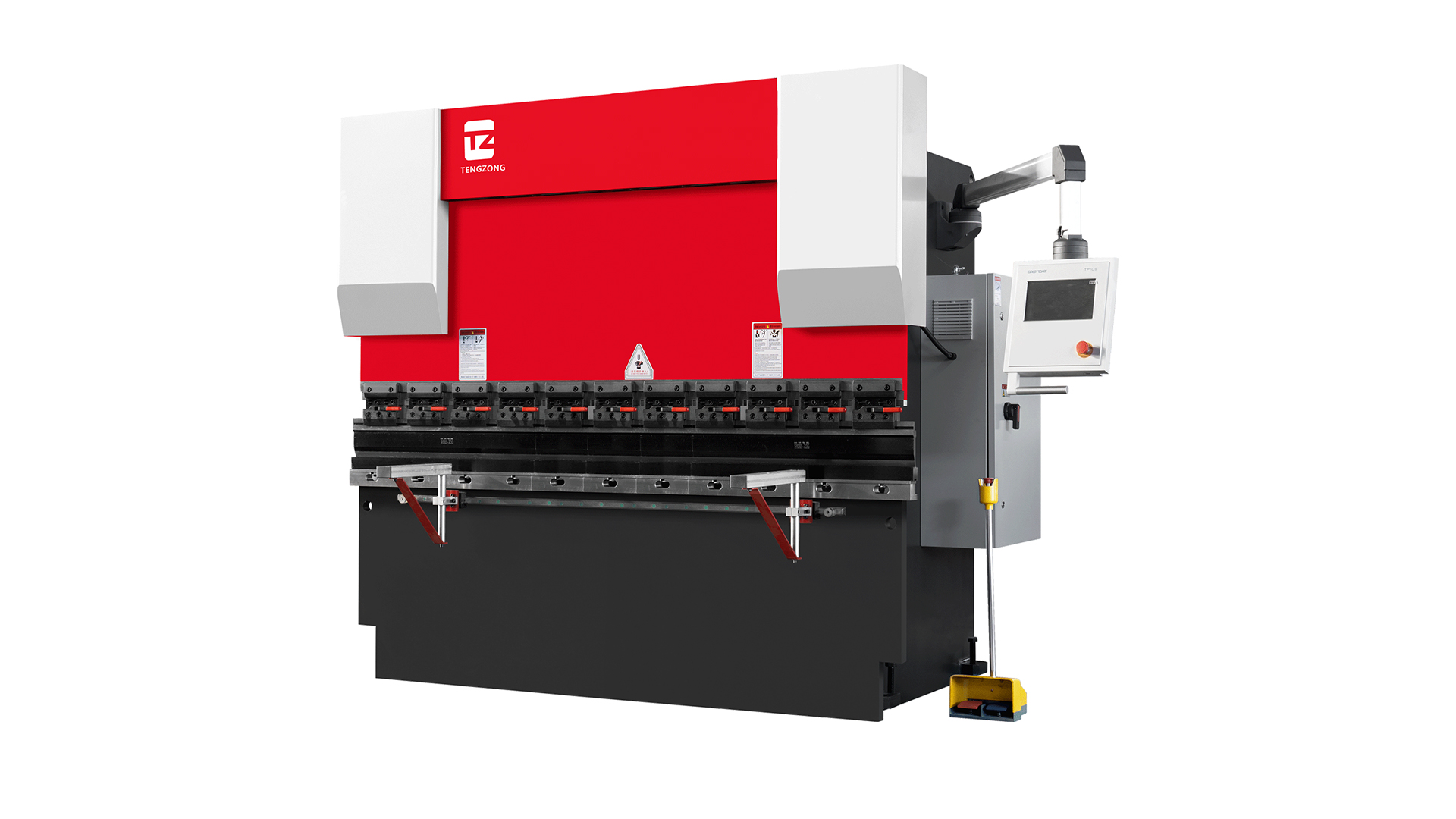
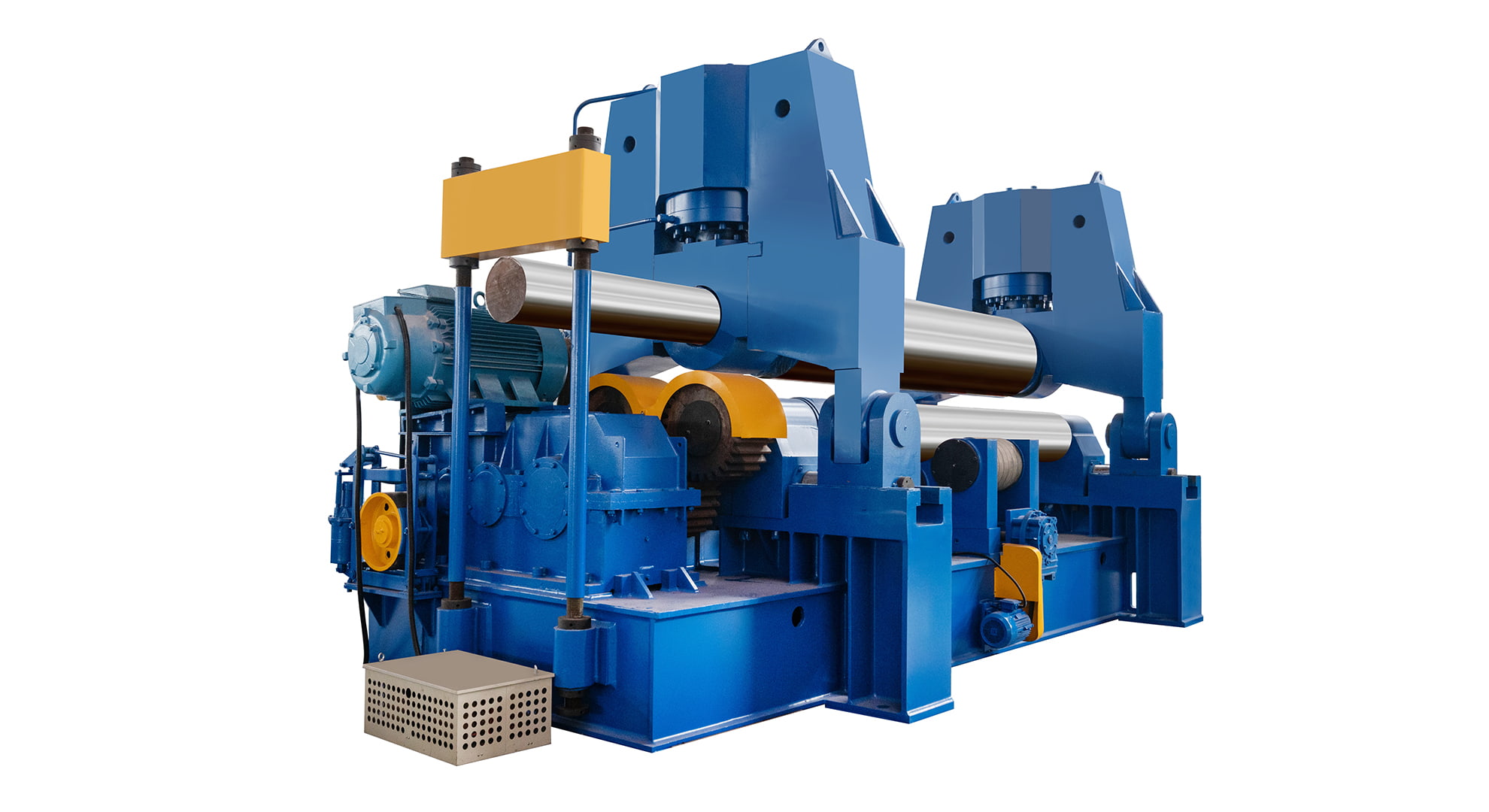
Bending force rises with the square of thickness, so 18 gauge sheet is gentle on a press brake — typically a few tons per foot with a properly sized die. The common rule of thumb for mild steel is a V opening of six to eight times material thickness, which puts an 18 gauge job near an 8 mm die. With so little force involved, accuracy stops being about tonnage and starts being about the machine: ram consistency, back gauge repeatability and stable tooling decide whether a full batch of flanges lands within a few tenths of a millimeter. That is where the CNC electric-hydraulic servo class earns its keep on thin, high-mix production.
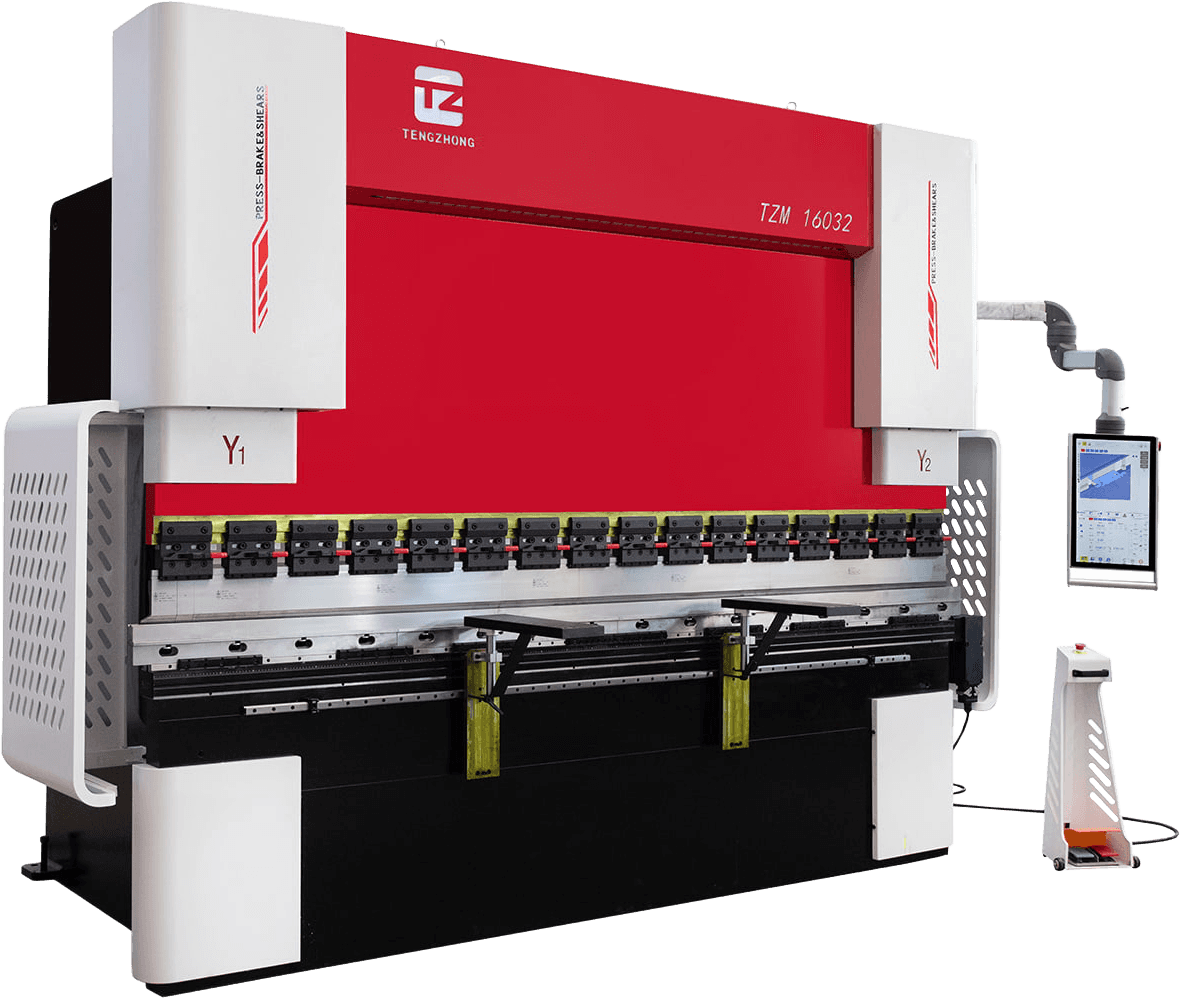 CNC Servo Electric-Hydraulic Press BrakeAn oil-electric hybrid servo press brake designed for quiet, efficient, precise bending. Its ram consistency and repeatability matter most on thin 18 gauge sheet, where accuracy depends on the machine rather than bending force.View Product →
Grooving 18 Gauge Sheet for Sharp Corners
When a design calls for a crisp, small-radius corner on 18 gauge stainless or carbon steel, many fabricators cut a V-groove before bending. The groove removes most of the thickness and leaves roughly a quarter of a millimeter of web, so the sheet folds to a sharp edge instead of a wide radius. At these depths the margin for error is small: the groove must stop short of breakthrough, which puts a premium on depth control measured in hundredths of a millimeter rather than tenths — precisely the working range of a CNC vertical grooving machine.
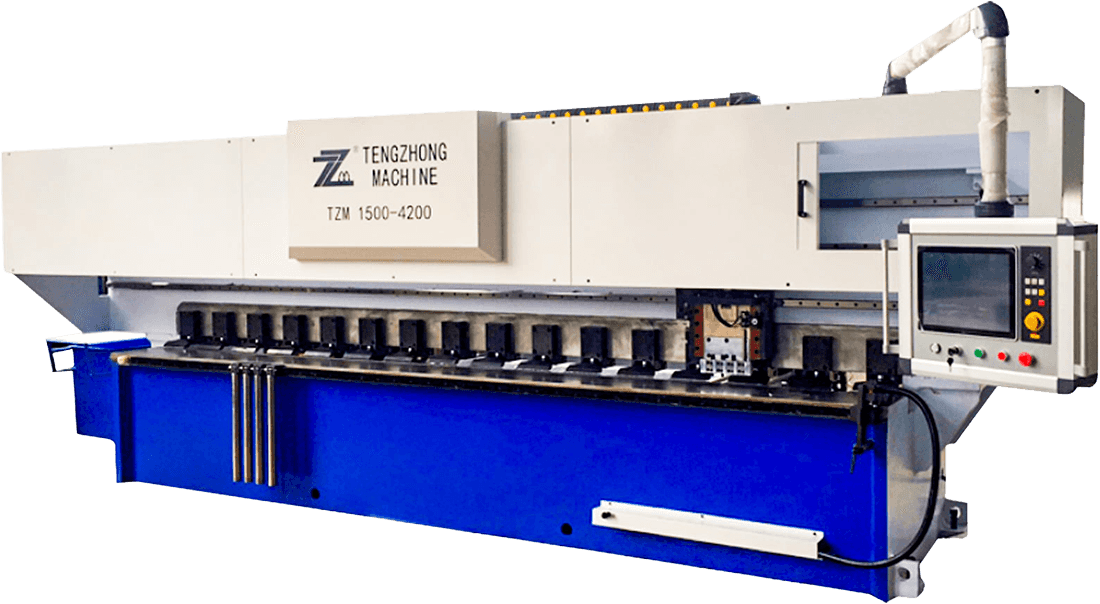 CNC Vertical Grooving MachineA CNC vertical grooving machine that precisely controls groove depth on metal plate. It is used before bending 18 gauge sheet to leave a thin web, producing sharp corners without breakthrough through hundredths-of-a-millimeter depth control.View Product →
How to Write 18 Gauge on an Order or Drawing
Because gauge codes shift between materials and countries, the safest specification states the number three ways: gauge, material and decimal. A line such as "18 ga cold-rolled steel, 0.0478 in (1.21 mm)" removes nearly all ambiguity between supplier, drawing and machine setting.
- Name the material next to the gauge. Eighteen gauge aluminum and 18 gauge steel differ by nearly 0.008 inch, enough to feel on an edge and enough to matter for fit-up.
- Expect mill tolerance. Cold-rolled 18 gauge sheet commonly carries a thickness tolerance of about 0.006 inch, so confirm the band that applies to your width and standard before promising tight fits.
- Work in millimeters for international projects. Gauge is a regional habit, while 1.2 mm is understood everywhere and matches the way most machine capacities are rated.
- Check the machine side too. Verify rated shearing thickness, press brake die opening and groove depth range against the decimal value, not the gauge label.
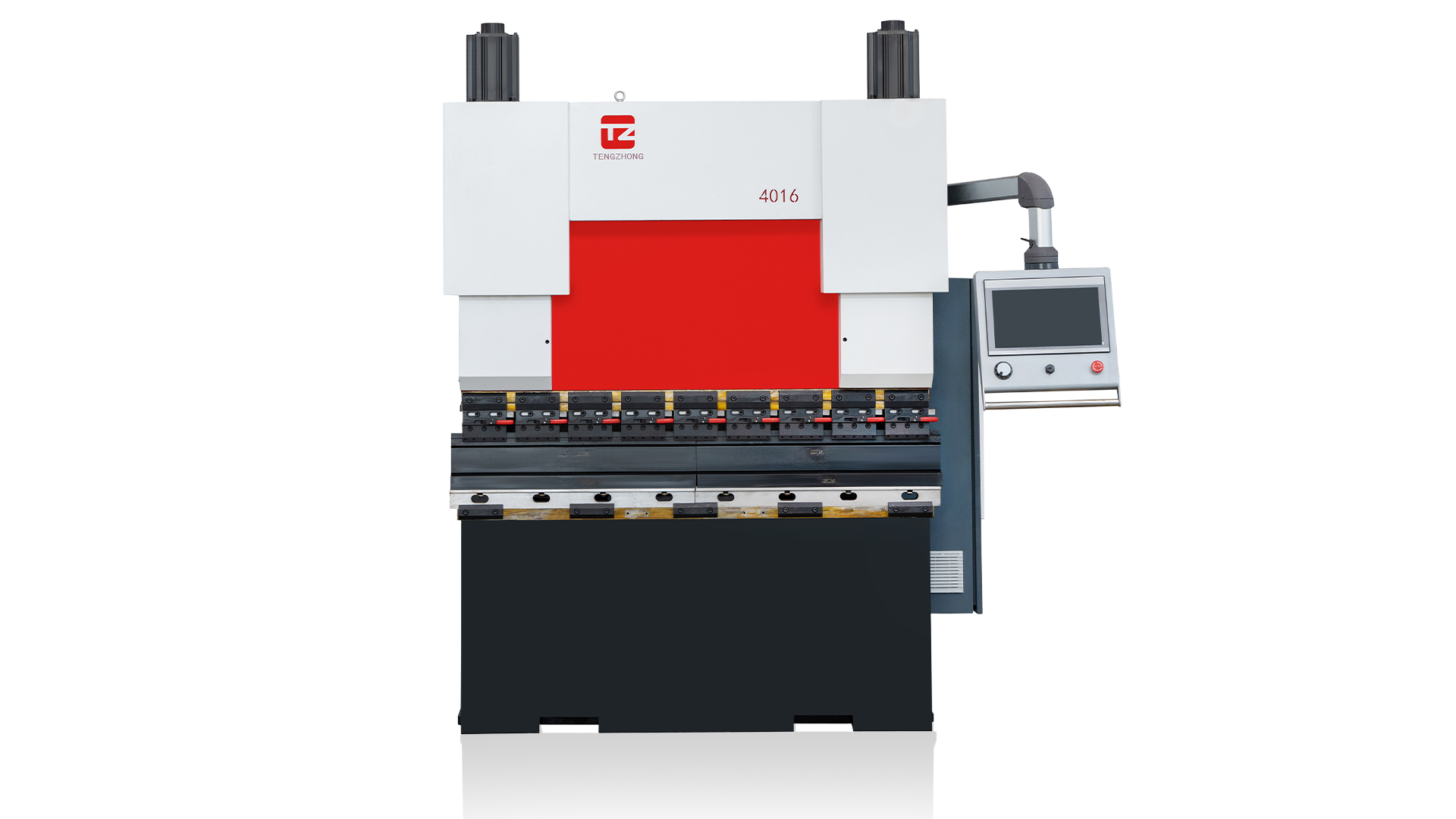
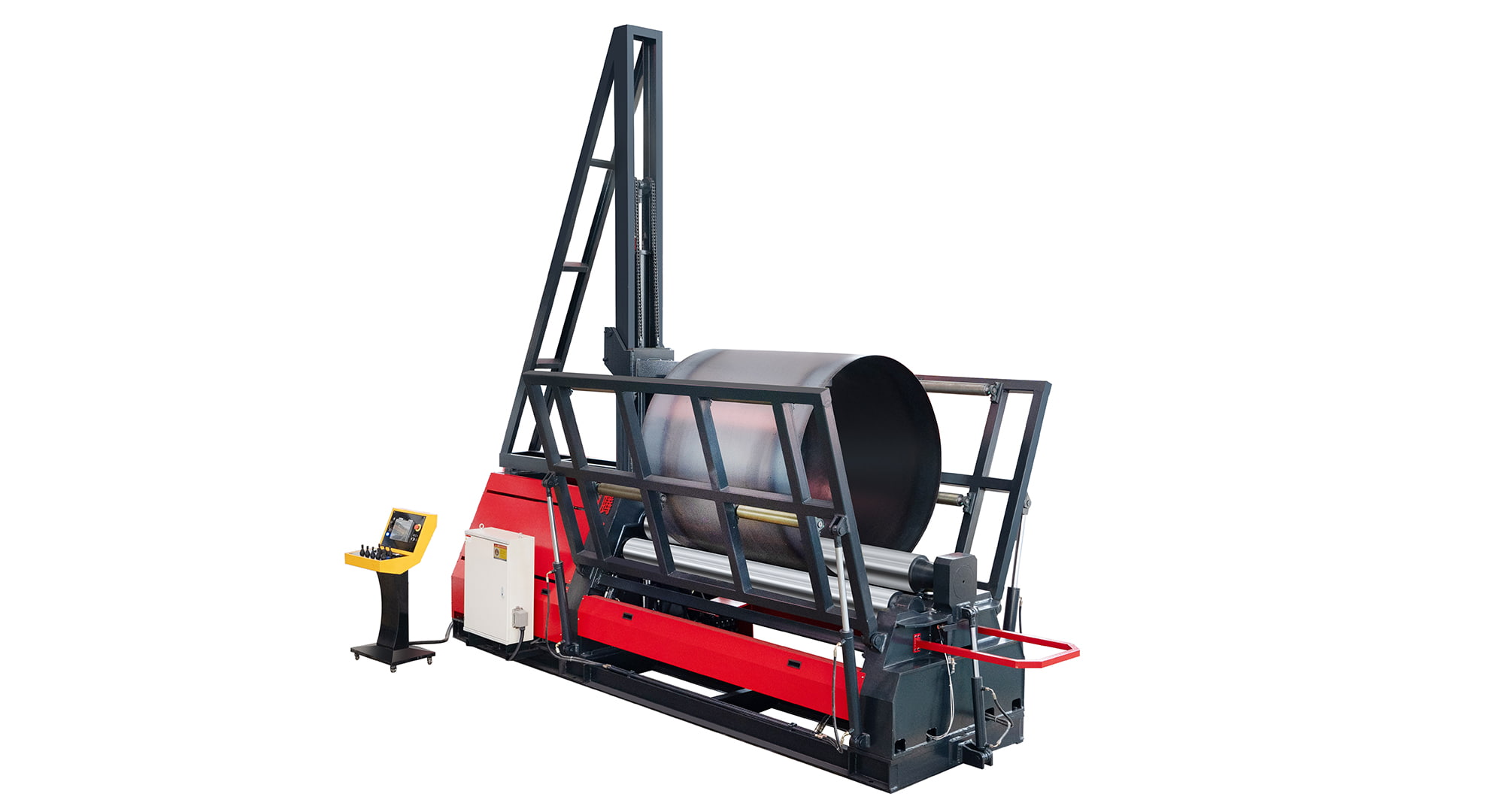
Remember four anchor numbers and the rest is easy: 18 gauge equals 0.0478 inches in carbon steel, 0.0500 inches in stainless, about 0.052 inches in galvanized sheet, and 0.0403 inches in aluminum. Quote the decimal, name the material, and the specification will survive the trip from drawing to delivery. When you are matching that thickness to cutting, bending or grooving equipment, the Tengzhong sheet metal machinery range covers the machine types discussed above, with capacities listed in millimeters so you can check them directly against your sheet.

-
Phone
+86 131-4173-2687
-
Address
6 Jianghai Road,Libao Town, Haian. Jiangsu Province, China
-
Medla

Copyright o Nantong Tengzhong Machinery Manufacturing Co., Ltd. All Rights Reserved.
