
 English
 русский
 Français
 Español
 Português
 عربى
عربى

-


Model:
-

Model:
-

Model:

Shearing Machine Buying Guide: Guillotine vs Swing Beam & Key Specs
2026-05-26
Content
- 1 How a Shearing Machine Actually Works
- 2 Guillotine vs. Swing Beam: The Decision That Matters Most
- 3 4 Specs That Determine Whether a Machine Fits Your Work
- 4 Where Shearing Machines Are Used
- 5 Safety: What OSHA and ANSI Actually Require
- 6 Maintenance Habits That Protect Your Investment
- 7 Bottom Line: Match the Machine to the Job
Pick the wrong shearing machine and you pay twice — once for the machine, once for rework. The difference between a clean cut and a twisted, burred edge often comes down to one decision made before purchasing: guillotine or swing beam? This guide cuts through the noise and helps you choose right the first time.
How a Shearing Machine Actually Works
A shearing machine cuts sheet metal by pressing an upper blade downward against a fixed lower blade. The two blades never touch — they're offset by a small clearance (typically 5–10% of material thickness) that determines cut quality. A hold-down clamp pins the sheet in place first; then the blade descends in a single stroke. The result is a straight, burr-minimal edge that no saw or grinder can match in speed.
Two variables control everything: rake angle (the angular offset between blades, usually 0.5°–2.5°) and blade clearance. Get these wrong for your material and you'll see excessive burring, sheet distortion, or premature blade wear. Modern CNC systems handle both automatically.
Guillotine vs. Swing Beam: The Decision That Matters Most
Every hydraulic shearing machine on the market falls into one of two mechanical designs. Understanding the difference is the single most important step before you buy.
| Feature | CNC Hydraulic Guillotine | CNC Hydraulic Swing Beam |
|---|---|---|
| Blade motion | Vertical (straight down) | Arc (pivoting beam) |
| Cut precision | Higher — consistent blade gap throughout stroke | Good — slight gap variation at arc extremes |
| Cutting speed | Moderate | Faster cycle times |
| Material thickness | Up to ~20 mm (varies by model) | Best for thin-to-mid range sheets |
| Blade life | Good | Longer — force distributes more evenly |
| Best for | Precision fabrication, thick plate | High-volume, thinner sheet production |
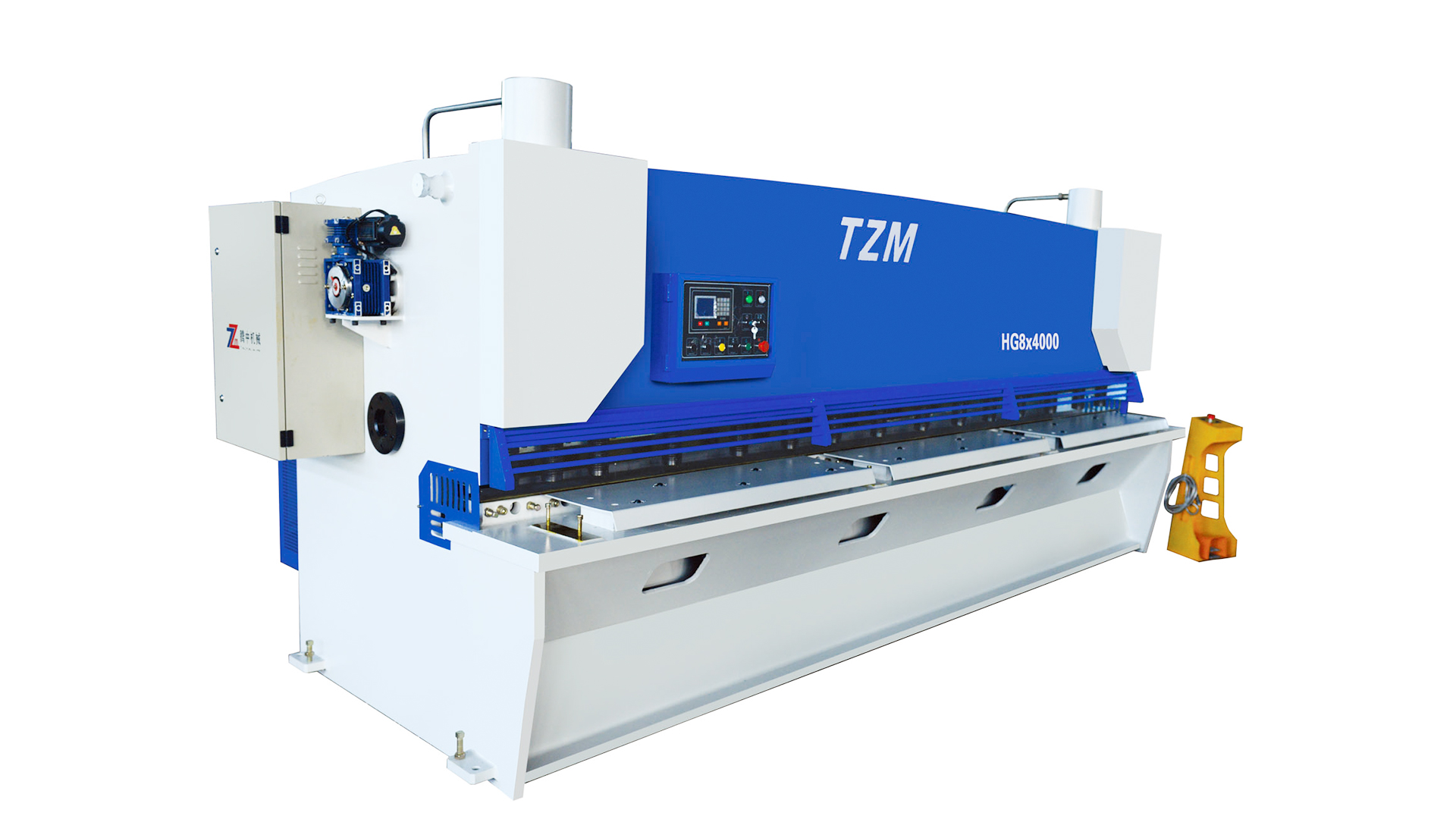
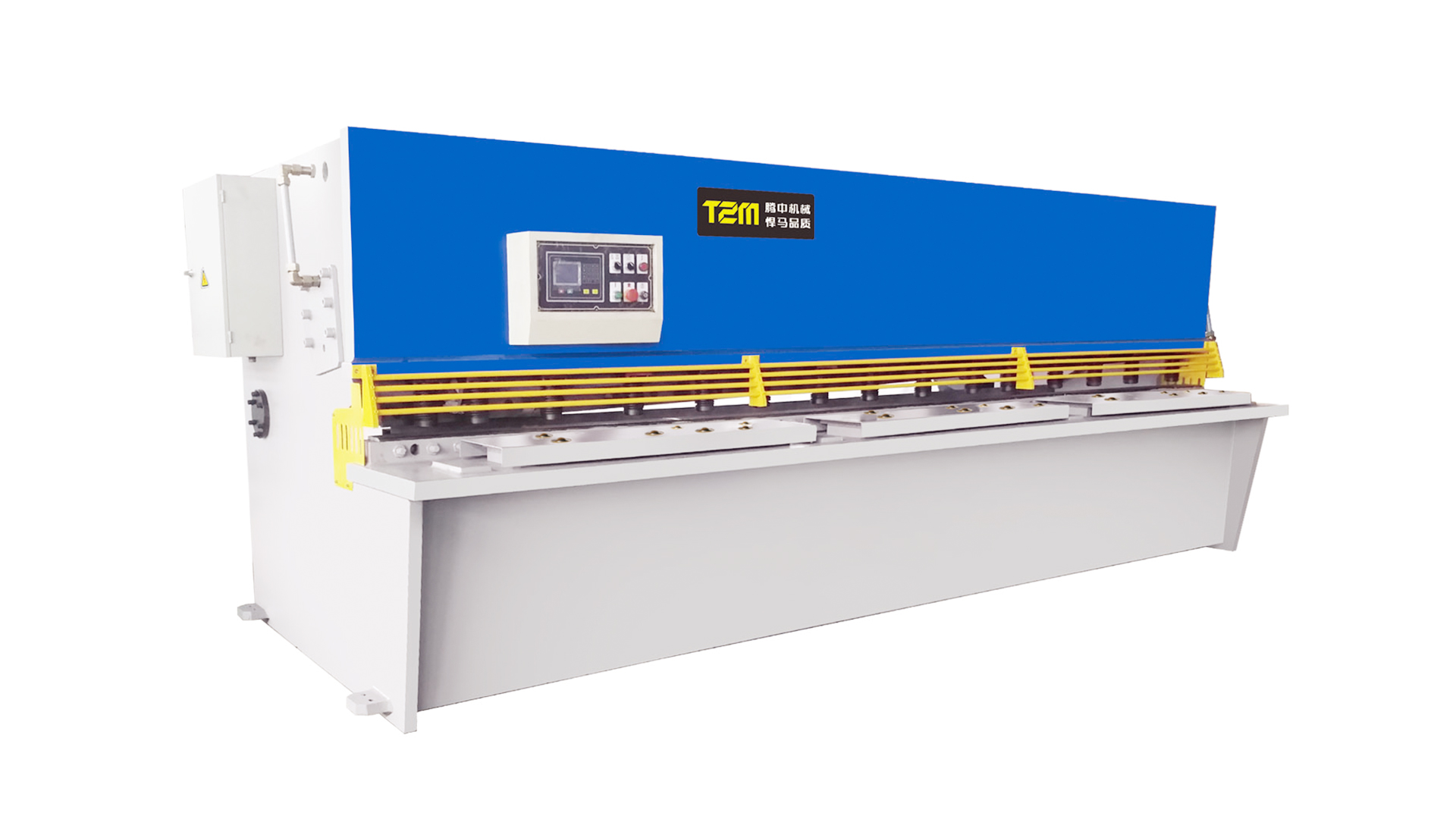
The CNC hydraulic guillotine shearing machine suits operations where dimensional accuracy is non-negotiable — think steel structure fabrication, elevator panels, or stainless components. The CNC hydraulic swing beam shearing machine wins on throughput, making it the preferred choice for sheet metal service centers running high daily volumes.
4 Specs That Determine Whether a Machine Fits Your Work
Salespeople quote horsepower and country-of-origin. Here's what actually determines whether a shear fits your operation:
- Maximum cutting thickness. Rate your machine at 80% of its rated capacity for daily production. A machine rated for 12 mm mild steel should handle your 10 mm sheets comfortably without straining the hydraulic system.
- Cutting length. Match the throat to your largest standard sheet. Running a 3,000 mm sheet on a 2,500 mm shear means repositioning — and repositioning means cumulative error.
- Back gauge range and accuracy. High-precision back gauges (±0.1 mm repeatability is achievable on modern CNC models) eliminate the need for manual measurement between cuts. This alone can reduce operator cycle time by 30–40% on repeat jobs.
- Control system. Entry-level NC controllers work for shops making the same cut all day. CNC systems with programmable back gauge, angle adjustment, and cut counter are worth the premium if you run mixed jobs. The Estun E21 system, standard on many production-grade guillotine shears, balances ease-of-use with real programmability.
Where Shearing Machines Are Used
Shearing machines process sheet metal across virtually every manufacturing sector. Automotive plants use them to blank body panels and chassis components. HVAC fabricators rely on them for ductwork sheets. Construction firms cut roofing, cladding, and structural steel. Any operation that needs consistent straight cuts on flat metal — at volumes that make laser cutting uneconomical — belongs on a shear.
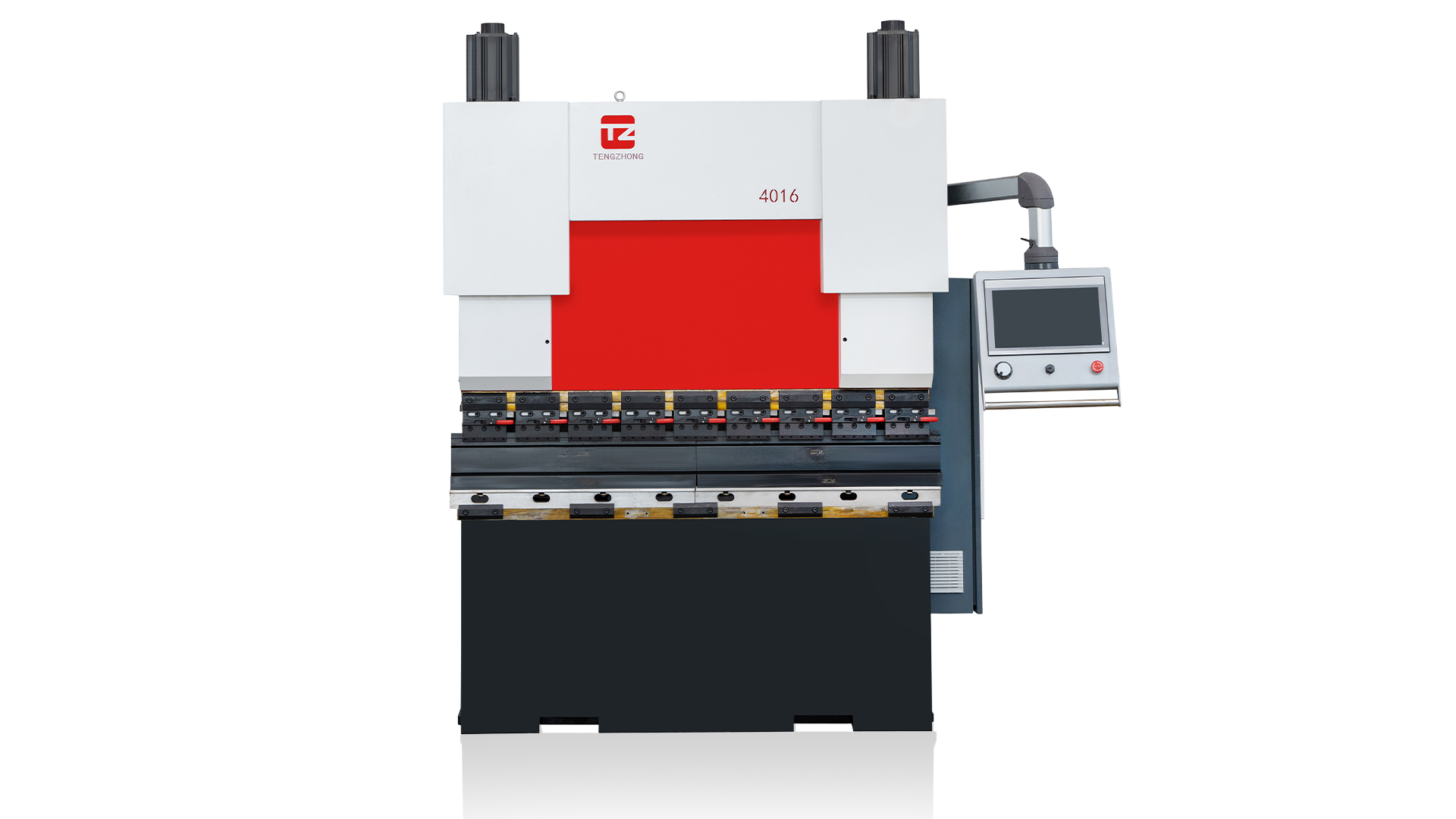
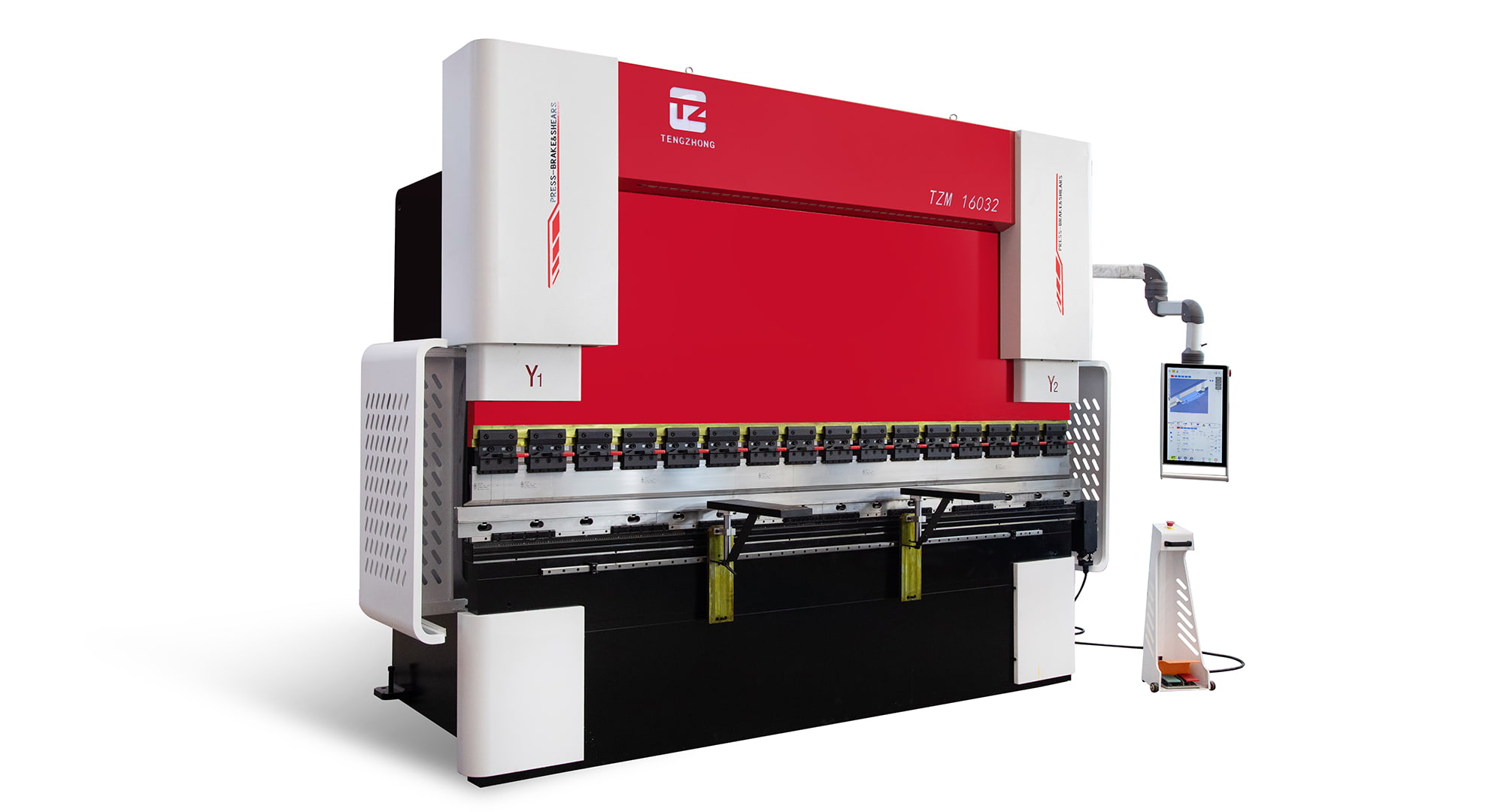
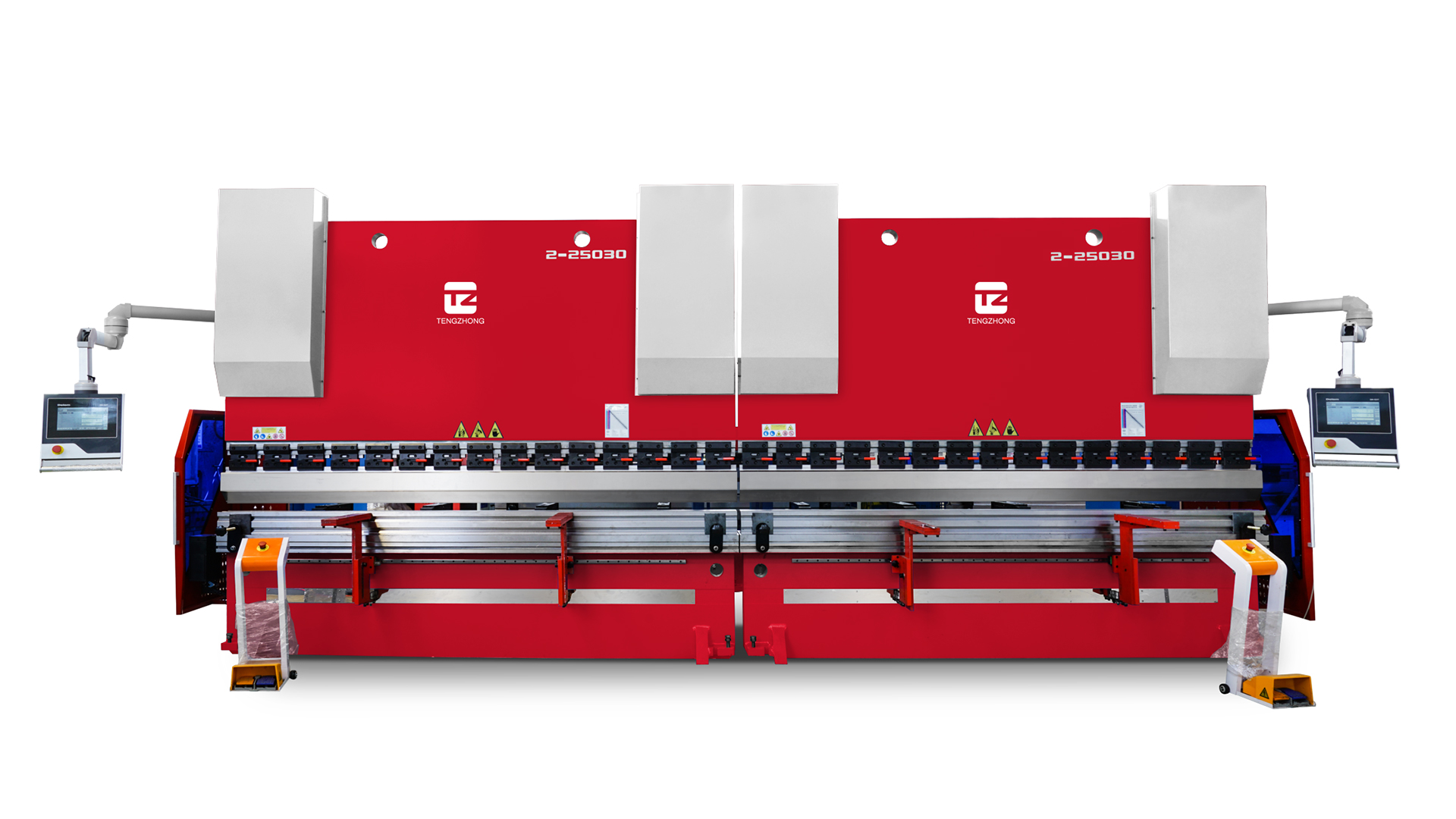
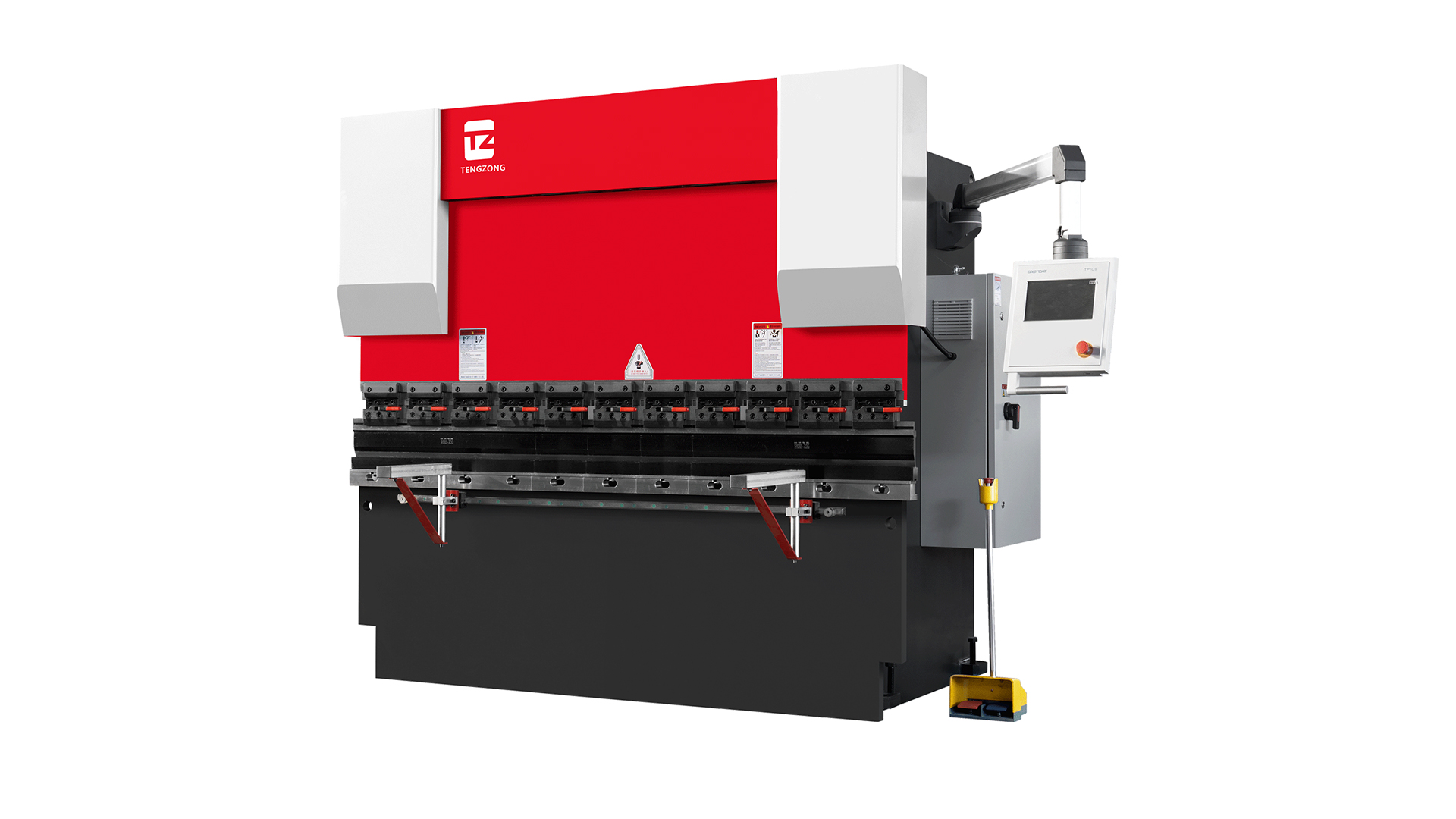
If your workflow continues from cutting to bending, a shearing machine pairs naturally with a press brake machine for downstream bending operations. Cutting, then bending from the same blanks ensures dimensional consistency across the entire part.
Safety: What OSHA and ANSI Actually Require
Machine guarding consistently ranks among OSHA's top-10 most-cited violations. For shearing machines specifically, OSHA 1910.212 requires a point-of-operation guard that prevents any part of the operator's body from entering the danger zone during the cutting cycle. ANSI B11.4-2003 (R2013) adds specific requirements for metal shears — including light curtains, two-hand controls, and hold-down devices.
In practice: never operate without the front guard in place, confirm the light curtain is active before each shift, and document blade gap inspections. A hydraulic shear with overload protection, emergency stops at multiple positions, and an automatic locking system when idle covers the engineering side. Operator training covers the rest.
Maintenance Habits That Protect Your Investment
Blade condition is everything. A dull or misaligned blade doesn't just produce bad cuts — it overloads the hydraulic system and accelerates wear on the frame. Inspect blade edges daily on high-volume lines, and rotate all four blade edges before replacing. Hydraulic oil should be replaced on the manufacturer's schedule (typically annually or every 2,000 operating hours), using oil with the correct anti-wear and viscosity properties for your ambient temperature.
Back gauge lead screws and linear guides need periodic lubrication — neglect here shows up as positioning drift that throws off your cut accuracy. Monthly checks on blade clearance settings, especially after cutting harder materials, keep dimensional quality consistent across thousands of cycles.
Bottom Line: Match the Machine to the Job
A CNC hydraulic guillotine shear handles thick plate and precision work. A swing beam shear moves faster through thinner stock. Both require a solid back gauge, a reliable CNC controller, and proper guarding. Define your maximum material thickness, your typical sheet size, and your daily volume — those three numbers will point you to the right machine before you ever talk to a supplier.
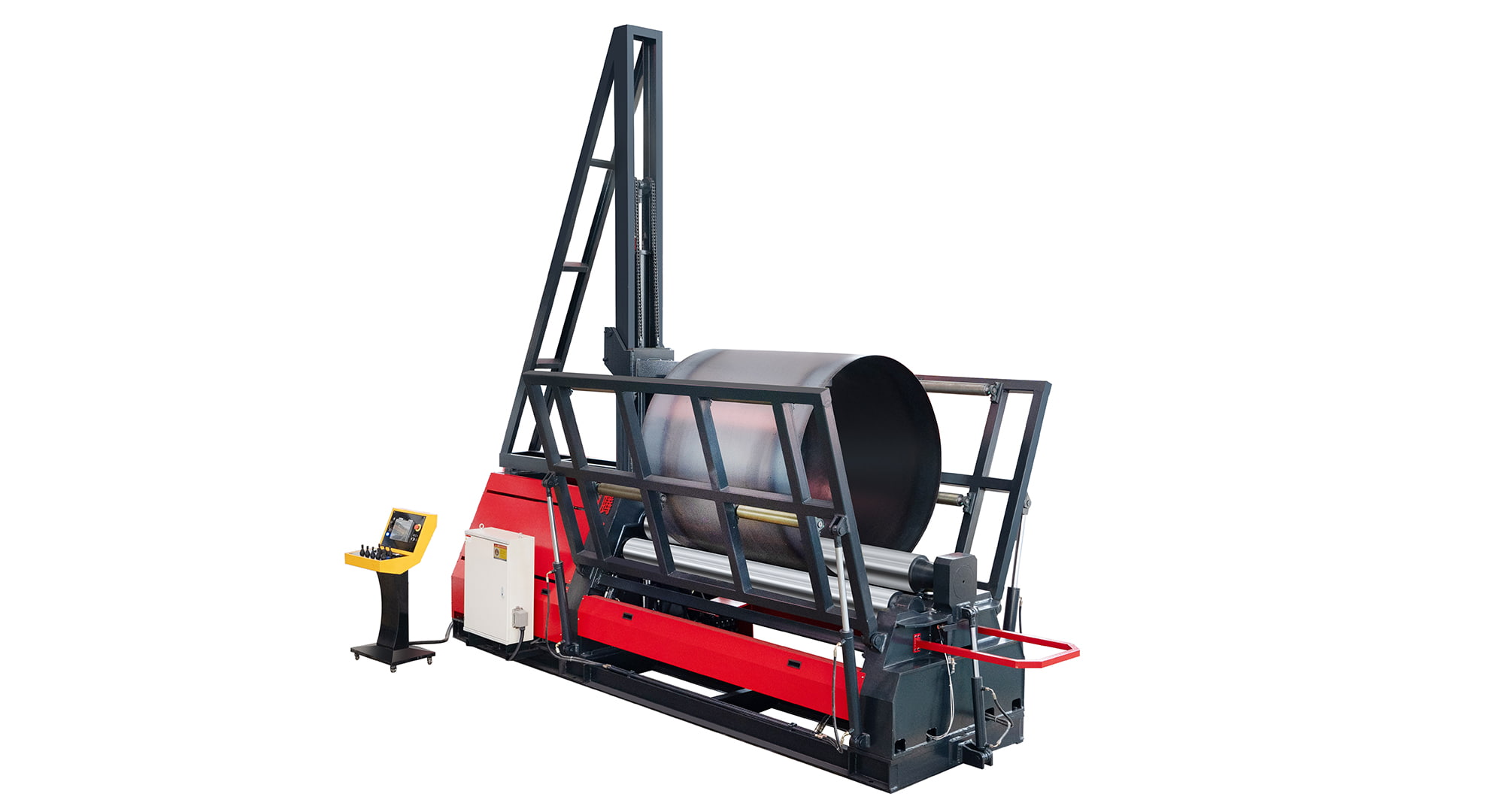
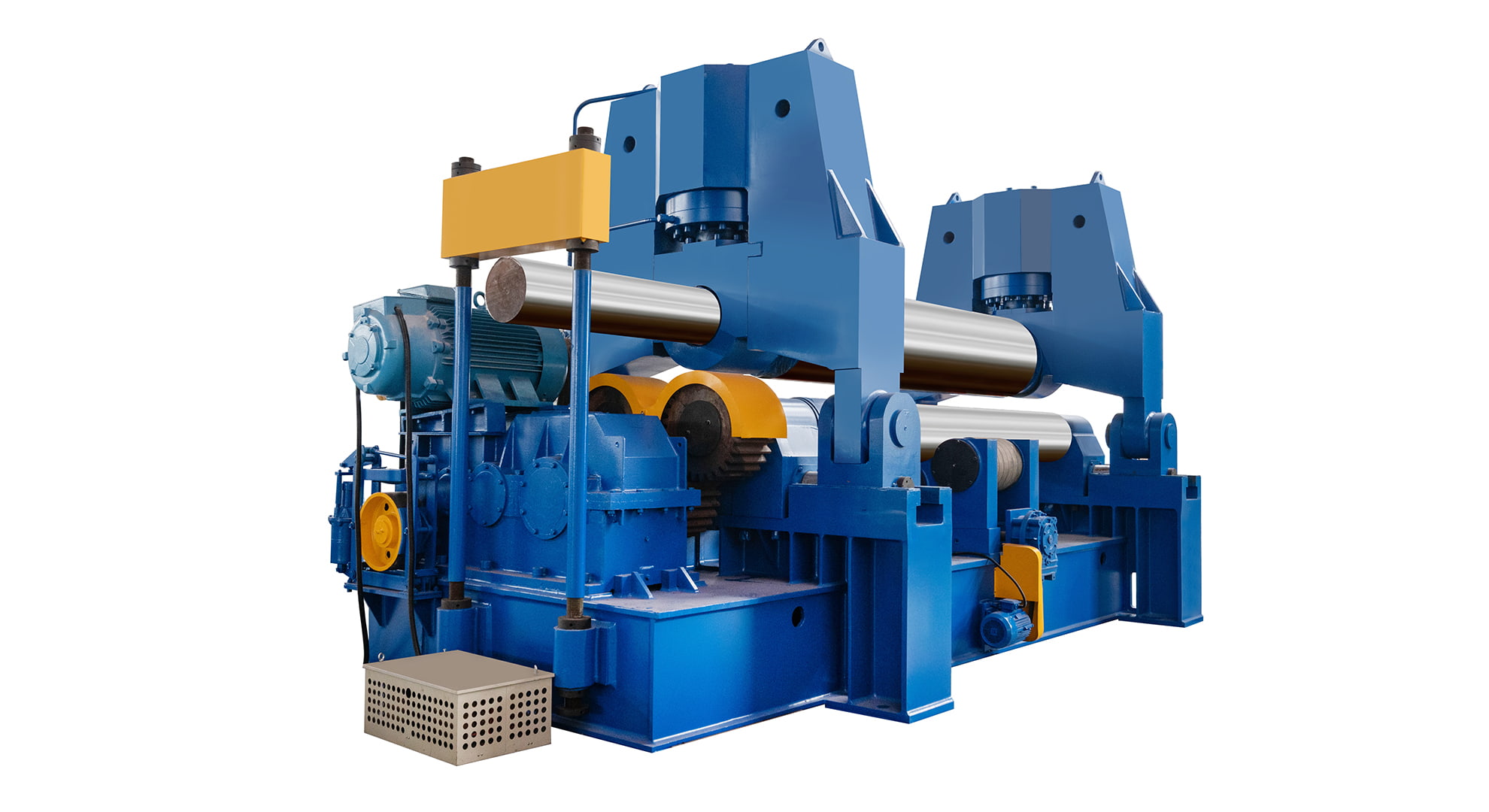
For shops that also perform rolling operations, a plate rolling machine for cylindrical metal forming completes the sheet metal workflow alongside a shear and press brake.

-
Phone
+86 131-4173-2687
-
Address
6 Jianghai Road,Libao Town, Haian. Jiangsu Province, China
-
Medla

Copyright o Nantong Tengzhong Machinery Manufacturing Co., Ltd. All Rights Reserved.
