
 English
 русский
 Français
 Español
 Português
 عربى
عربى

-


Model:
-

Model:
-

Model:

Press Brake Machine: Types, Specs & How to Choose the Right One
2026-05-20
Content
- 1 Press Brake Machine: How to Choose the Right One for Your Shop
- 2 The 4 Machine Types — and When Each Makes Sense
- 3 The Case for Electric Servo: Energy, Accuracy, and Less Maintenance
- 4 When to Choose a Tandem Setup
- 5 The 5 Specs That Actually Determine Fit
- 6 Bending Method: Air Bending vs. Bottom Bending
- 7 What to Ask Before You Buy
Press Brake Machine: How to Choose the Right One for Your Shop
The global press brake machine market is valued at $800 million in 2026 and growing at 6.1% annually — yet most buyers still make the same mistakes. They fixate on tonnage, ignore setup time, and end up with a machine that sits idle 60–70% of the day. Choosing correctly starts with understanding what actually drives output.
The 4 Machine Types — and When Each Makes Sense
Not all press brakes are built for the same job. The type you choose determines your accuracy ceiling, operating cost, and daily workflow.
| Type | Best For | Accuracy | Energy Use |
|---|---|---|---|
| NC (Torsion Axis) | Simple, repetitive bends | ±0.1mm | Moderate |
| CNC Hydraulic Servo | High-mix production | ±0.05mm | Moderate–High |
| CNC Electric Servo | Precision + eco efficiency | ±0.5mm or better | ~80% less |
| Tandem CNC | Long / oversized parts | ±0.05mm synchronized | High |
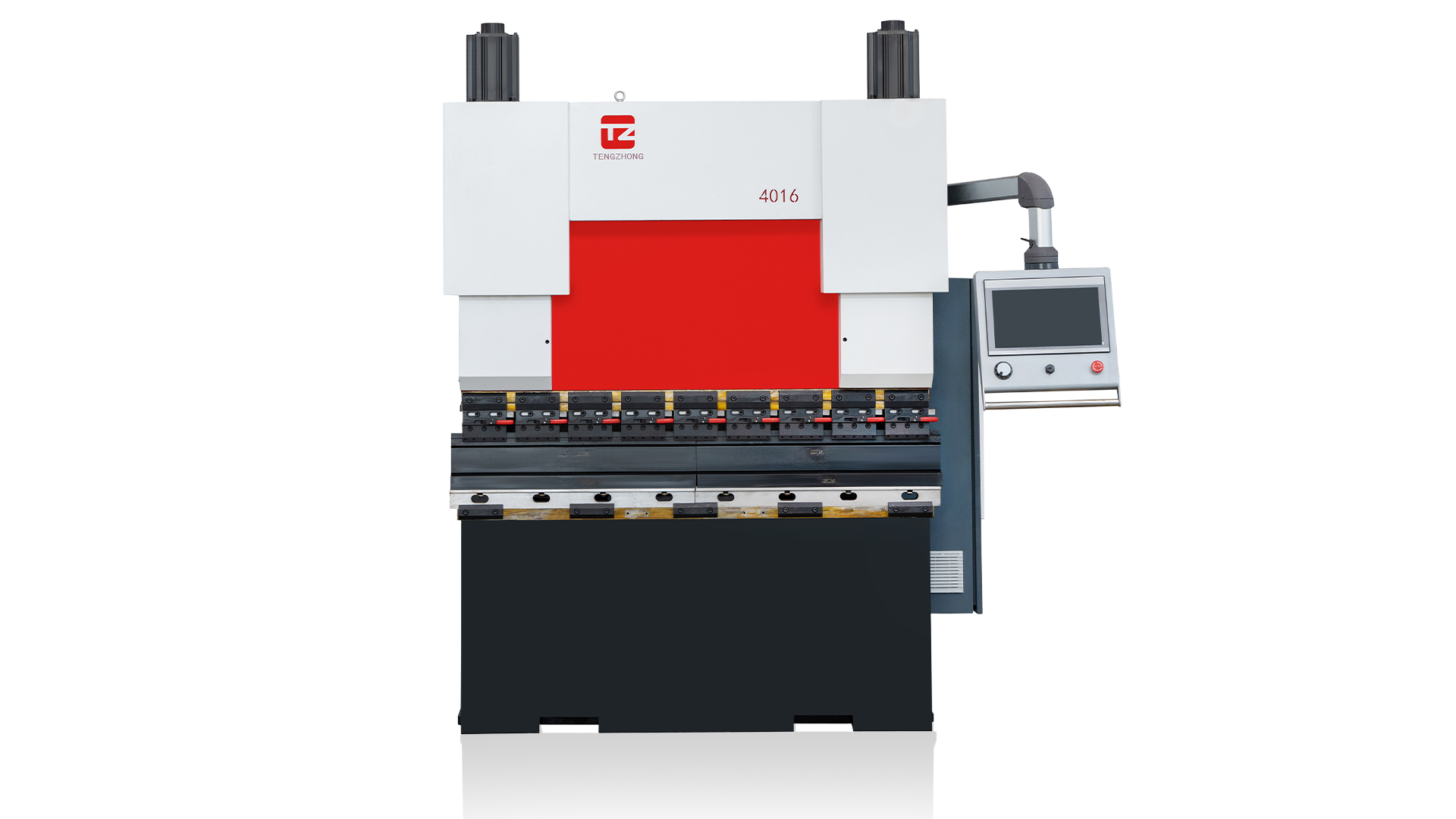
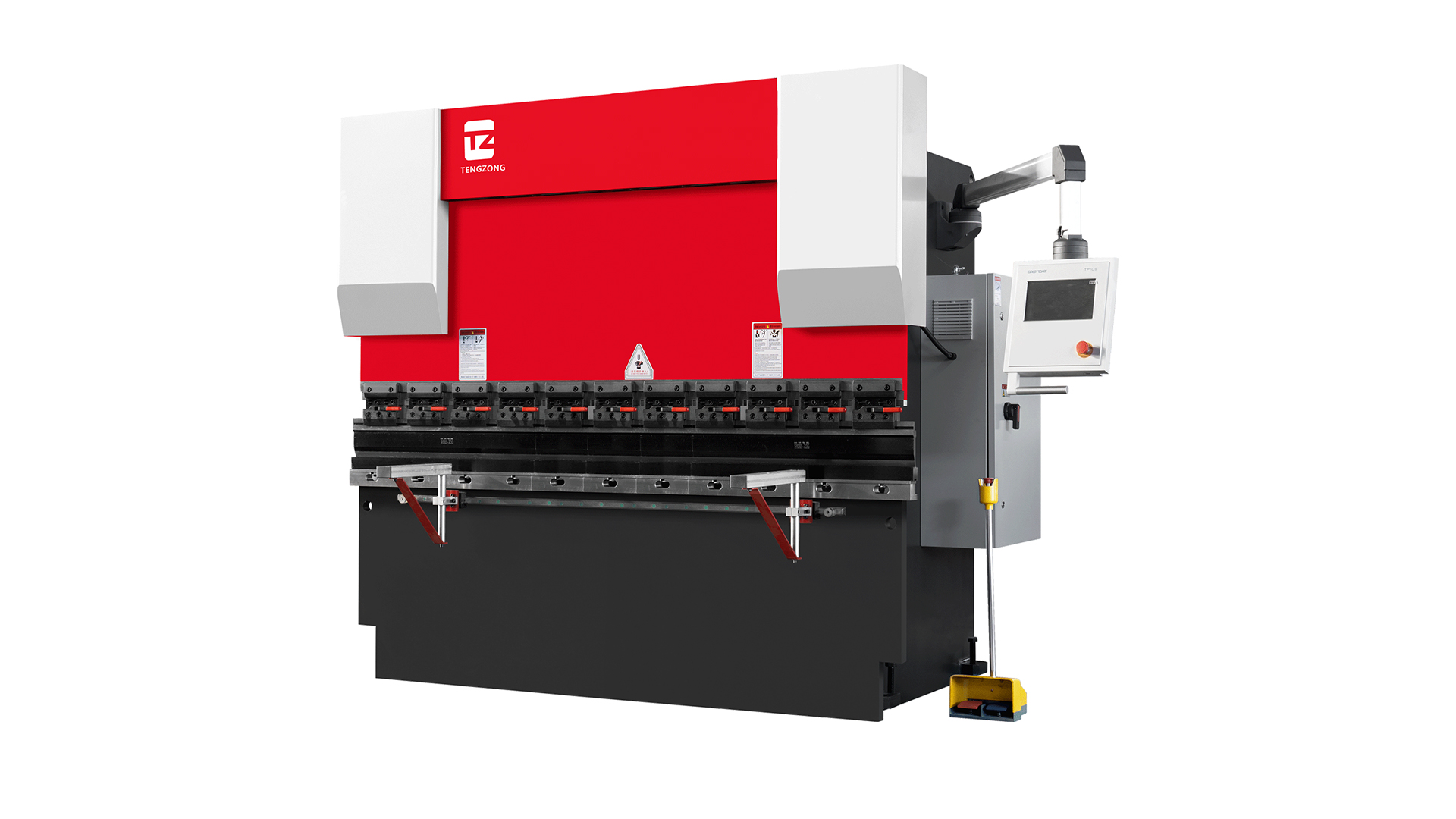
The NC torsion axis press brake is the entry point for smaller shops that need reliable, budget-friendly bending without complex programming. Step up to the CNC electric-hydraulic servo press brake for mixed job runs requiring both power and repeatability. For shops prioritizing energy savings and high precision, the fully electric servo model is the strongest long-term investment.
The Case for Electric Servo: Energy, Accuracy, and Less Maintenance
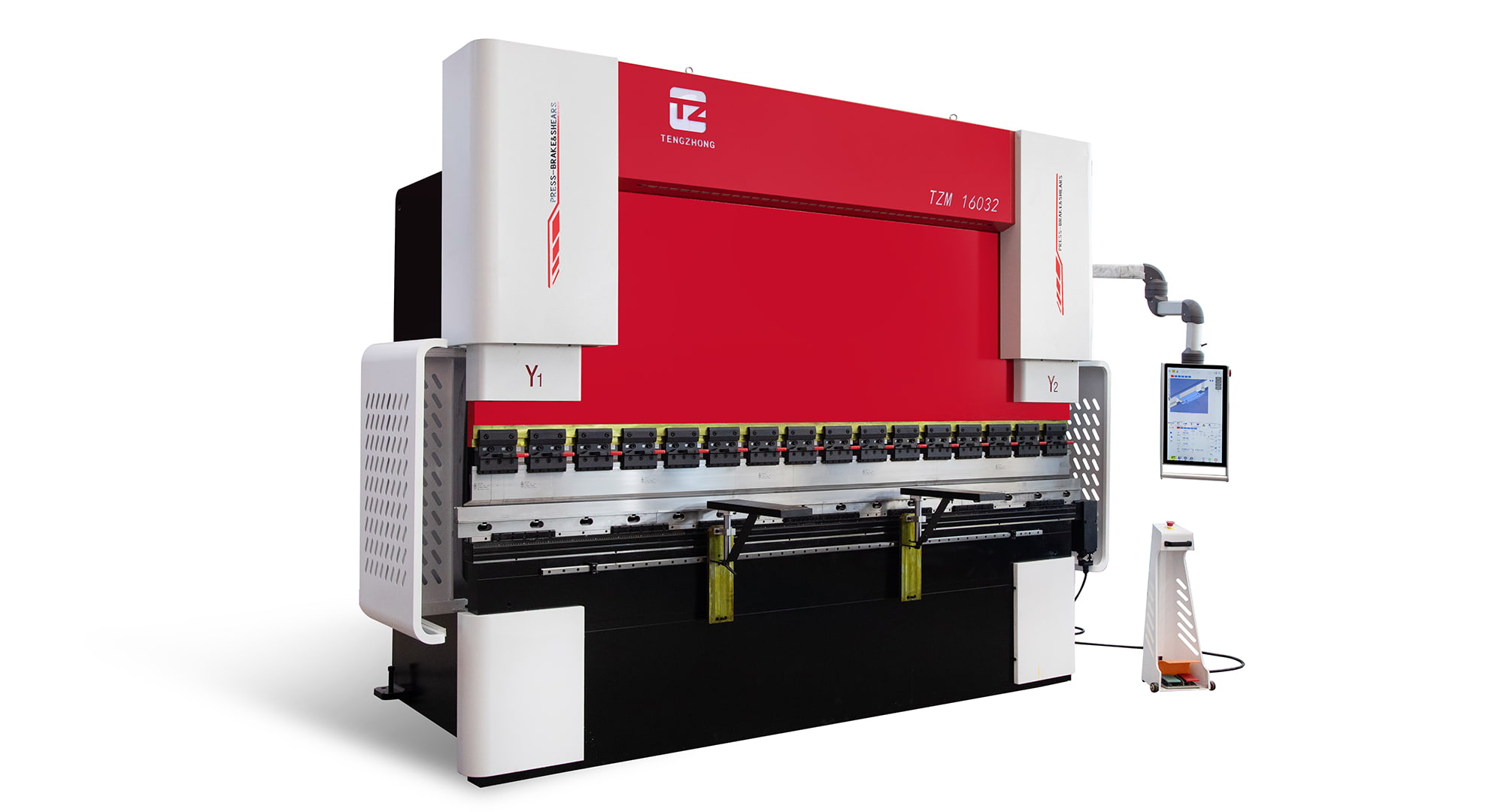
Hydraulic press brakes still hold a 52% market share in 2025, but servo-electric models are the fastest-growing segment — for good reason. A CNC servo electric press brake eliminates hydraulic oil entirely, which means no leak risk, no oil disposal costs, and roughly 80% less energy consumption compared to traditional hydraulic models. The servo motor runs a 4000 RPM high-speed spindle, delivering faster slider speeds and bending angle errors controlled within ±0.5mm.
Beyond the energy story, the fully enclosed frame design and automatic lubrication system extend service life significantly — less unplanned downtime, and no operator manually checking oil levels mid-shift. For shops short on skilled operators (a problem 70.87% of fabricators cited as their top concern heading into 2026), machines that self-monitor are a genuine competitive edge.
When to Choose a Tandem Setup
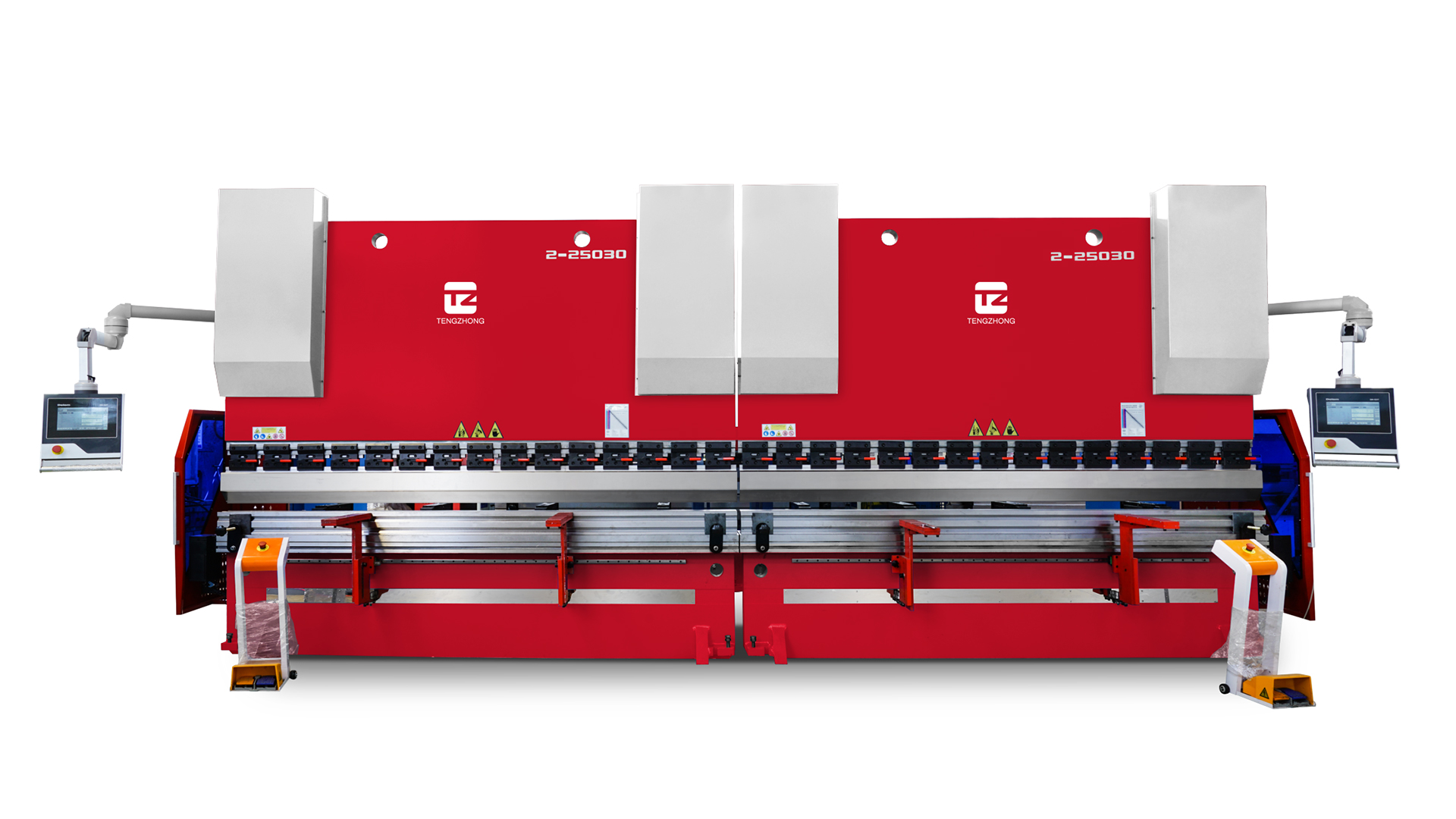
Standard press brakes top out around 4–6 meters of bending length. For structural components, shipbuilding panels, or architectural cladding that exceeds this, a tandem CNC press brake — two synchronized machines operating as one — is the solution. Electronic synchronization keeps both rams perfectly aligned, producing uniform bends across ultra-long profiles without distortion at the center joint.
The decision rule is simple: if your longest workpiece exceeds what a single machine can handle at full accuracy, tandem is not optional — it's the only correct answer.
The 5 Specs That Actually Determine Fit
Most buyers compare maximum tonnage and bed length, then stop. These are necessary but not sufficient. Here's what separates a well-matched machine from an expensive mistake:
- Tonnage capacity — calculate the force needed for your thickest material at maximum length, then add 20% safety margin. Carbon steel, stainless, and aluminum each require different force for the same thickness.
- Bending length — should comfortably exceed your largest regular workpiece, not just your largest-ever job.
- Back gauge axes — more axes (the industry standard moves from 2 to 6+) means faster setup on complex, multi-bend parts. A 6-axis CNC back gauge can cut setup time by over 70% vs. a manual 2-axis gauge.
- Ram repeatability — this is your angular consistency number. For precision sheet metal (electronics enclosures, aerospace brackets), demand ±0.01mm or better.
- Control system — a 15.6-inch embedded touchscreen with 1920×1080 resolution, USB interfaces, and bending robot compatibility future-proofs your investment. Simpler screens create productivity bottlenecks the moment you hire a new operator.
Bending Method: Air Bending vs. Bottom Bending
Air bending is the default in modern CNC press brakes — the punch does not fully contact the die, which means one tooling setup handles multiple angles. It requires less force (critical for extending machine life) but introduces springback that the control system must compensate for. Bottom bending uses 3–5× more force and virtually eliminates springback, making it the preferred method for sheet metal thicker than 2mm where tight angular tolerances are non-negotiable. Understand which method your most common applications demand before finalizing your machine spec.
What to Ask Before You Buy
Three questions cut through the noise faster than any spec comparison:
- What's the thickest and longest workpiece I'll regularly bend — not occasionally, but on standard production runs?
- How many tool changeovers happen per shift, and what's my acceptable downtime per change?
- Does the supplier provide operator training, spare parts availability, and a warranty with real service response times?
A press brake that matches your materials and production cadence will return its investment faster than a more expensive machine that's oversized for your actual work. The right match between machine type, tonnage, and control sophistication is what separates a shop that runs efficiently from one where the machine is always either the bottleneck or the idle asset.
Explore the full press brake machine product range — from NC models for straightforward bending to tandem CNC systems for oversized structural parts — to find the right configuration for your production needs.

-
Phone
+86 131-4173-2687
-
Address
6 Jianghai Road,Libao Town, Haian. Jiangsu Province, China
-
Medla

Copyright o Nantong Tengzhong Machinery Manufacturing Co., Ltd. All Rights Reserved.
