
 English
 русский
 Français
 Español
 Português
 عربى
عربى

-


Model:
-

Model:
-

Model:

Press Brake Machine Types Compared: NC vs CNC vs Servo Electric — Which Is Right for You?
2026-06-05
Content
- 1 Choosing Between NC and CNC: The Decision That Shapes Your Production Line
- 2 The 4 Main Types of Press Brake Machines — and When Each Makes Sense
- 3 The Three Specs That Actually Determine Whether a Machine Fits Your Work
- 4 Tooling Selection: Punch and Die Are Half the Result
- 5 Safety Compliance: What the Regulations Actually Require
- 6 How Press Brake Fits Into the Broader Fabrication Line
Choosing Between NC and CNC: The Decision That Shapes Your Production Line
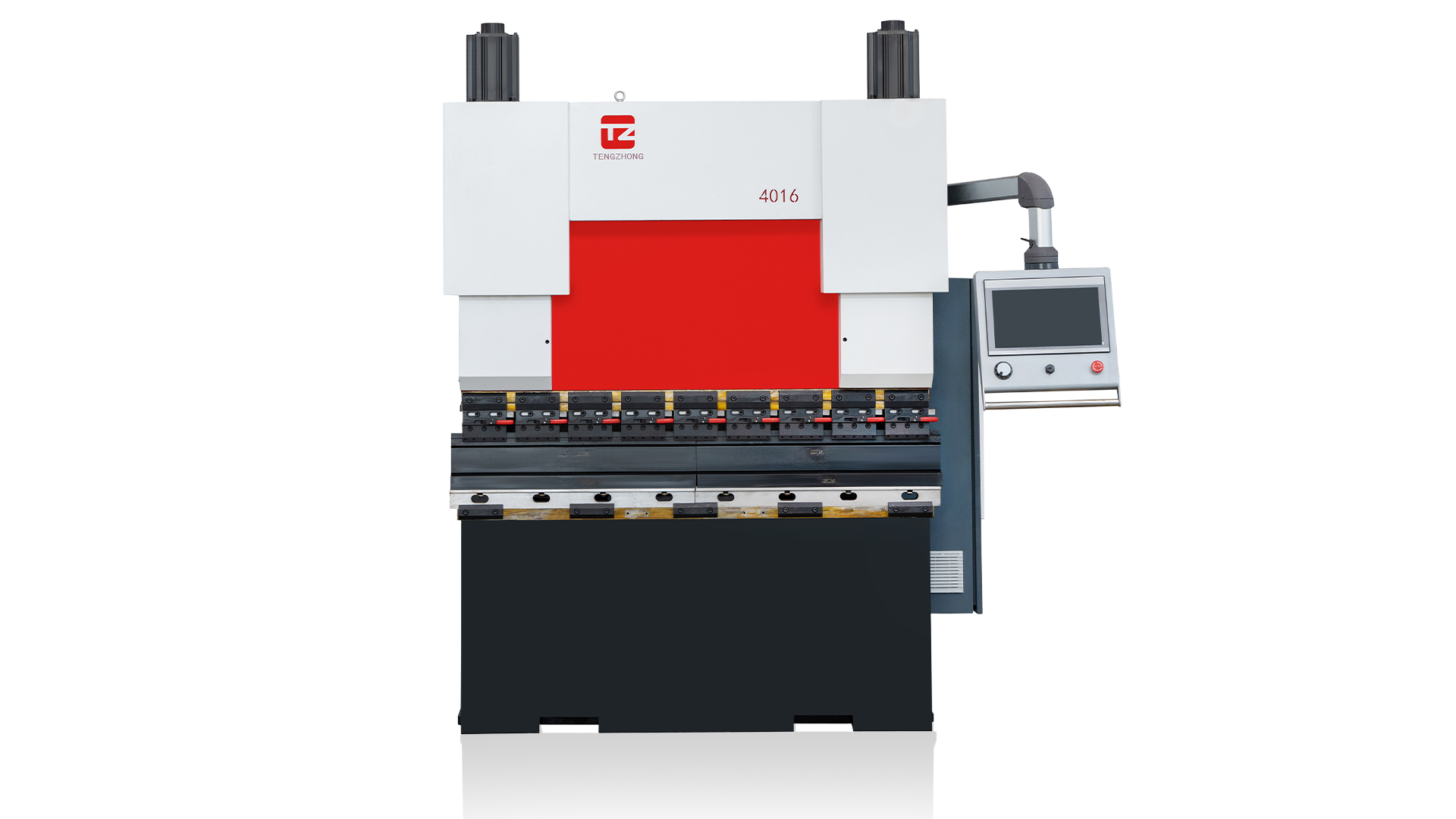
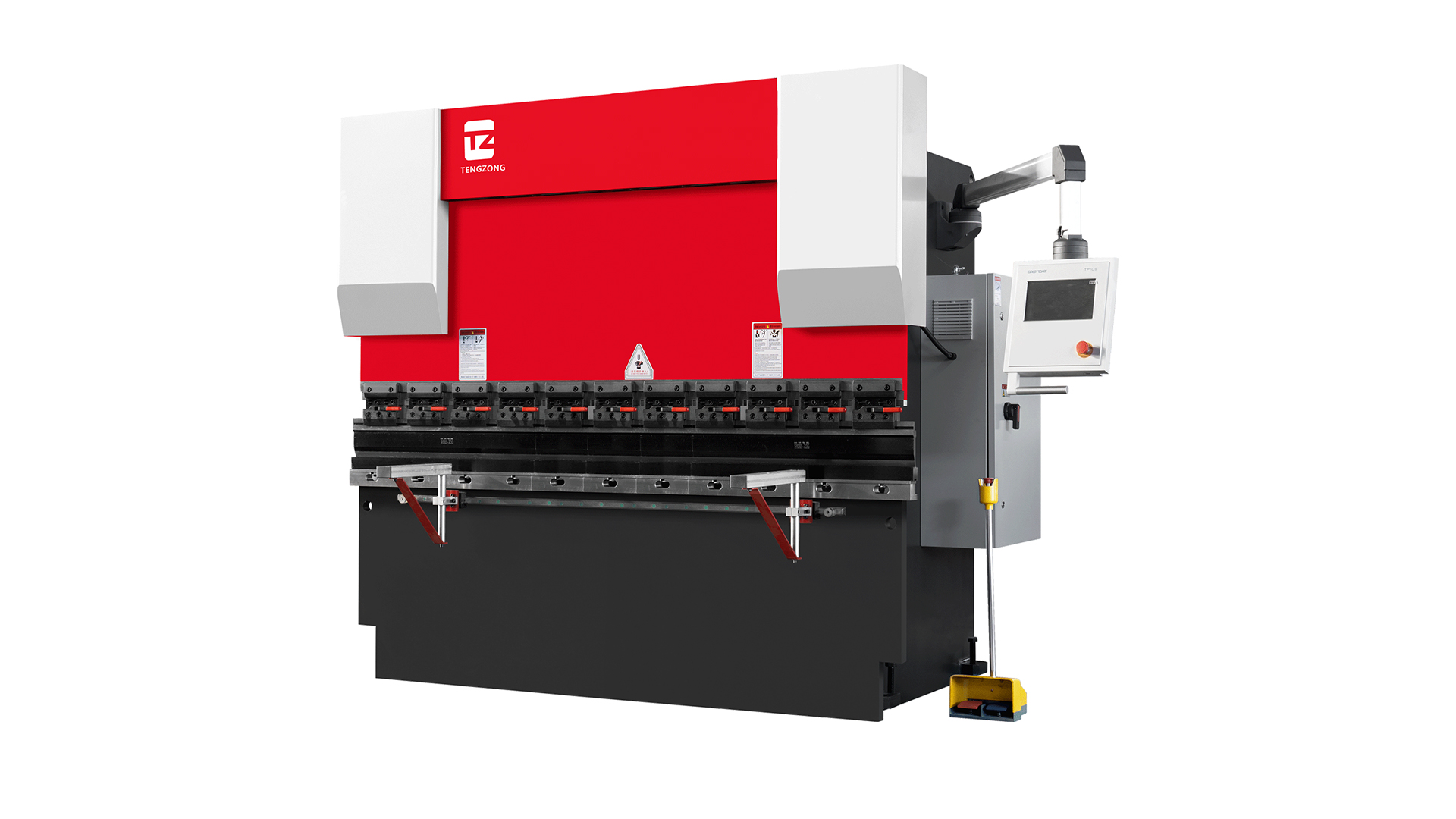
Most shops buying a press brake for the first time get stuck on one question: NC or CNC? The answer depends less on budget and more on what you're actually bending day to day. NC press brakes use a torsion-axis synchronous system — reliable, straightforward, and well-suited for repetitive, standard-angle bending. CNC machines add programmable axes, closed-loop position control, and multi-step bending sequences, which matters the moment your part geometry gets complex.
If your team runs the same bracket profile 500 times a shift, a torsion-axis NC press brake with synchronized ram control will serve you well at a lower entry cost. If your job mix changes weekly, invest in CNC from day one — rework and setup waste will cost far more than the price difference.
The 4 Main Types of Press Brake Machines — and When Each Makes Sense
Press brake technology has branched into four distinct categories. Here's a direct comparison so you know exactly what you're buying:
| Type | Drive System | Best For | Key Trade-off |
|---|---|---|---|
| NC Torsion-Axis | Hydraulic + mechanical sync | High-volume, simple profiles | Limited programmability |
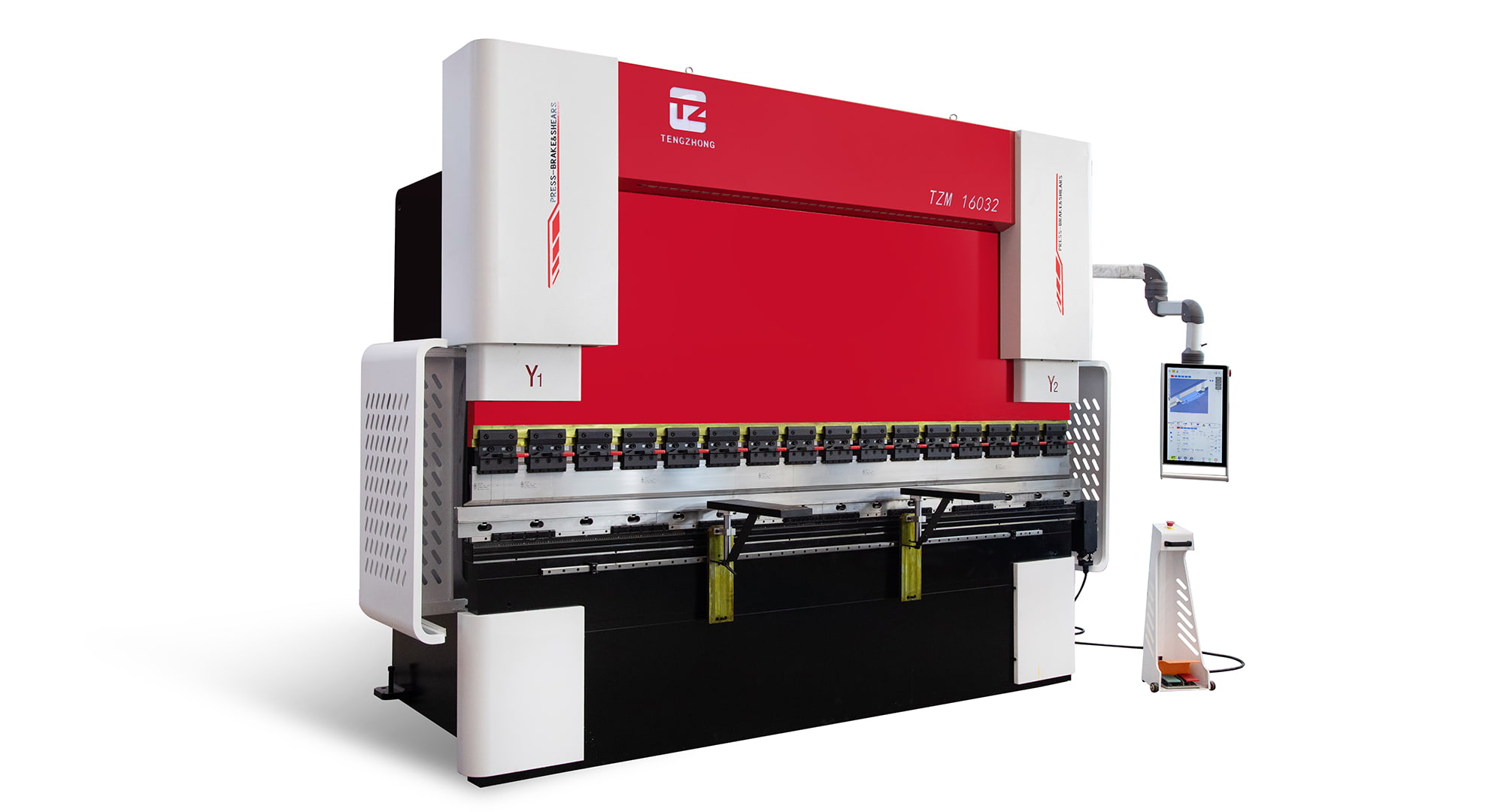
| CNC Hydraulic Servo | Electric servo + hydraulic | Mixed production, tight tolerances | Higher maintenance complexity |
| CNC Electric Servo | Pure servo motor + ball screw | Precision parts, cleanroom environments | Higher upfront cost |
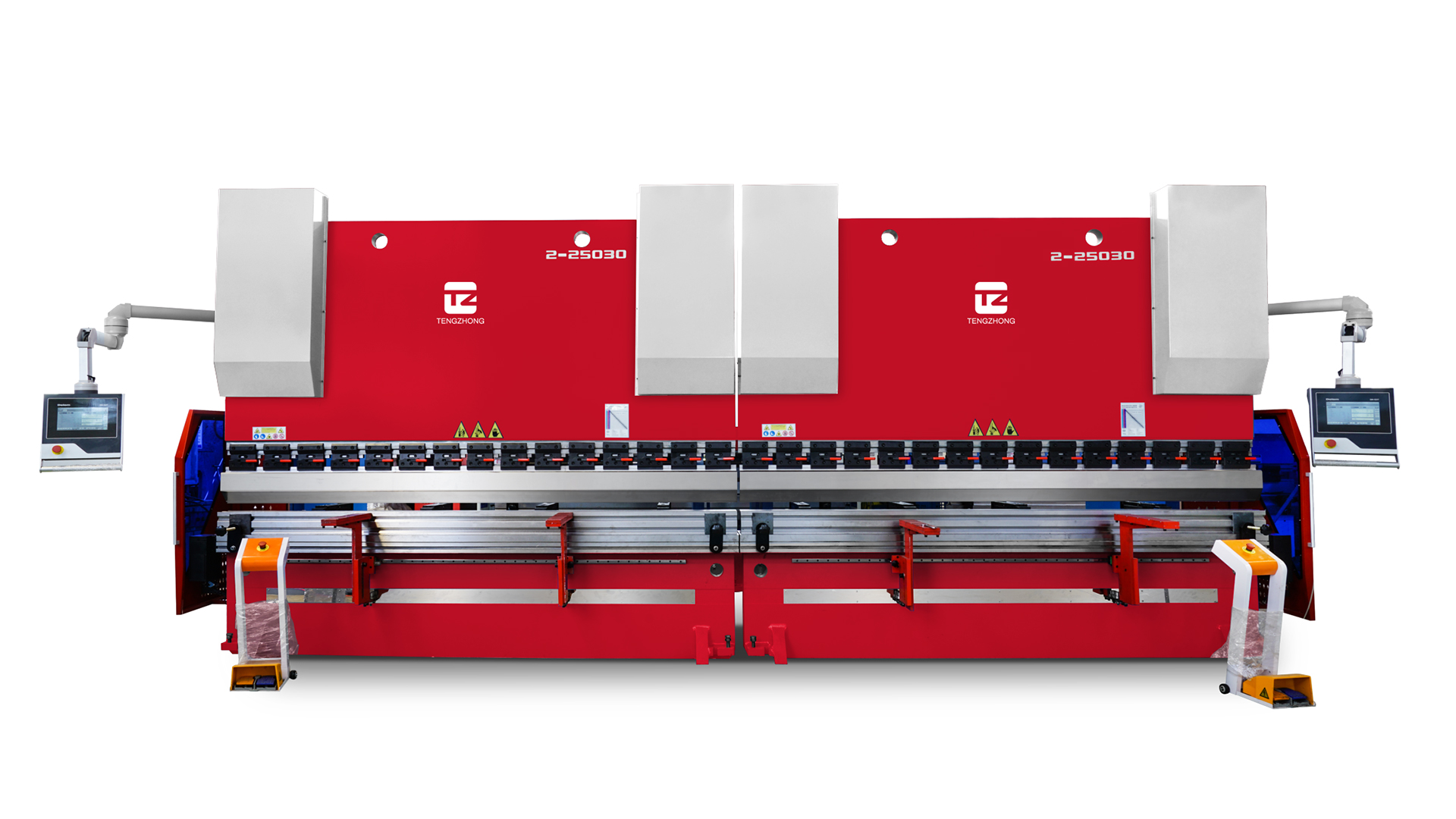
| Tandem CNC | Dual synchronized machines | Parts over 6 m / heavy plate | Footprint & power requirements |
The CNC electric servo press brake deserves specific attention: driven by a high-speed servo motor at 4,000 RPM through a precision ball screw, it holds bending angle error within ±0.5 mm and cuts energy consumption by roughly 80% compared to a conventional hydraulic unit — because the motor only draws power during actual ram movement, not continuously. There's also no hydraulic oil, which eliminates leak risk and keeps the work area clean.
For oversized structural work — think aerospace frames, ship hull sections, or large HVAC panels — a tandem CNC press brake with dual-machine synchronization is the only practical option. Two machines act as one synchronized unit, maintaining consistent bending force and angle across the entire length of the workpiece.
The Three Specs That Actually Determine Whether a Machine Fits Your Work
Manufacturers list dozens of parameters, but three drive the actual purchase decision:
- Tonnage (bending force): Calculate the force required for your thickest, hardest material first. Rule of thumb — mild steel at 1 mm thickness requires roughly 8 tons per meter of bend length. Stainless and high-tensile alloys multiply that significantly. Size for your worst-case material, not your typical one.
- Bending length: Match the machine's working length to your largest part, plus a 10–15% margin. A machine that's too short forces you to re-position and introduces cumulative error.
- Back gauge travel and axis count: This is where CNC pays for itself. A six-axis CNC back gauge can position stock automatically across multiple reference points per program step, eliminating manual adjustment between bends. On complex multi-break parts, this alone can cut setup time by more than half.
One often-overlooked spec: daylight opening height. Deep-box profiles require enough clearance between the ram in the up position and the die table to insert the workpiece. Always verify this against your deepest part before signing off on a machine.
Tooling Selection: Punch and Die Are Half the Result
The machine provides force; the tooling determines the outcome. Gooseneck punches handle deep flanges. European-style precision tooling (90° included angle, hardened to HRC 58–62) offers the longest service life and tightest repeatability. For air bending — the most common method — your die opening width should be 6–10× the material thickness to avoid cracking and spring-back problems.
Spring-back is unavoidable with most metals and must be compensated either through overbending or by using a CNC controller that applies material-specific correction algorithms automatically. On modern CNC press brake machines with advanced sheet metal bending algorithms, this correction is programmed into the material library — operators set the target angle, and the machine accounts for spring-back without manual trial and error.
Safety Compliance: What the Regulations Actually Require
Press brake injuries are among the most preventable in metal fabrication — and the most common. OSHA's press brake machine guarding requirements under 29 CFR 1910.212 mandate adequate point-of-operation protection for all powered press brakes. The industry-specific benchmark is ANSI B11.3, which covers guarding methods, closing speed limits, and operator training documentation.
Modern CNC electric servo machines raise the baseline considerably: safety photoelectric protection devices (light curtains) stop the ram instantly if a hand enters the danger zone, and the electric servo system responds faster than any hydraulic circuit can release pressure. Fully enclosed machine constructions and front/rear LED lighting — standard on current-generation servo press brakes — further reduce exposure to moving parts. Regardless of machine type, every operator should complete documented training and every installation should be reviewed against current ANSI B11.3 requirements.
How Press Brake Fits Into the Broader Fabrication Line
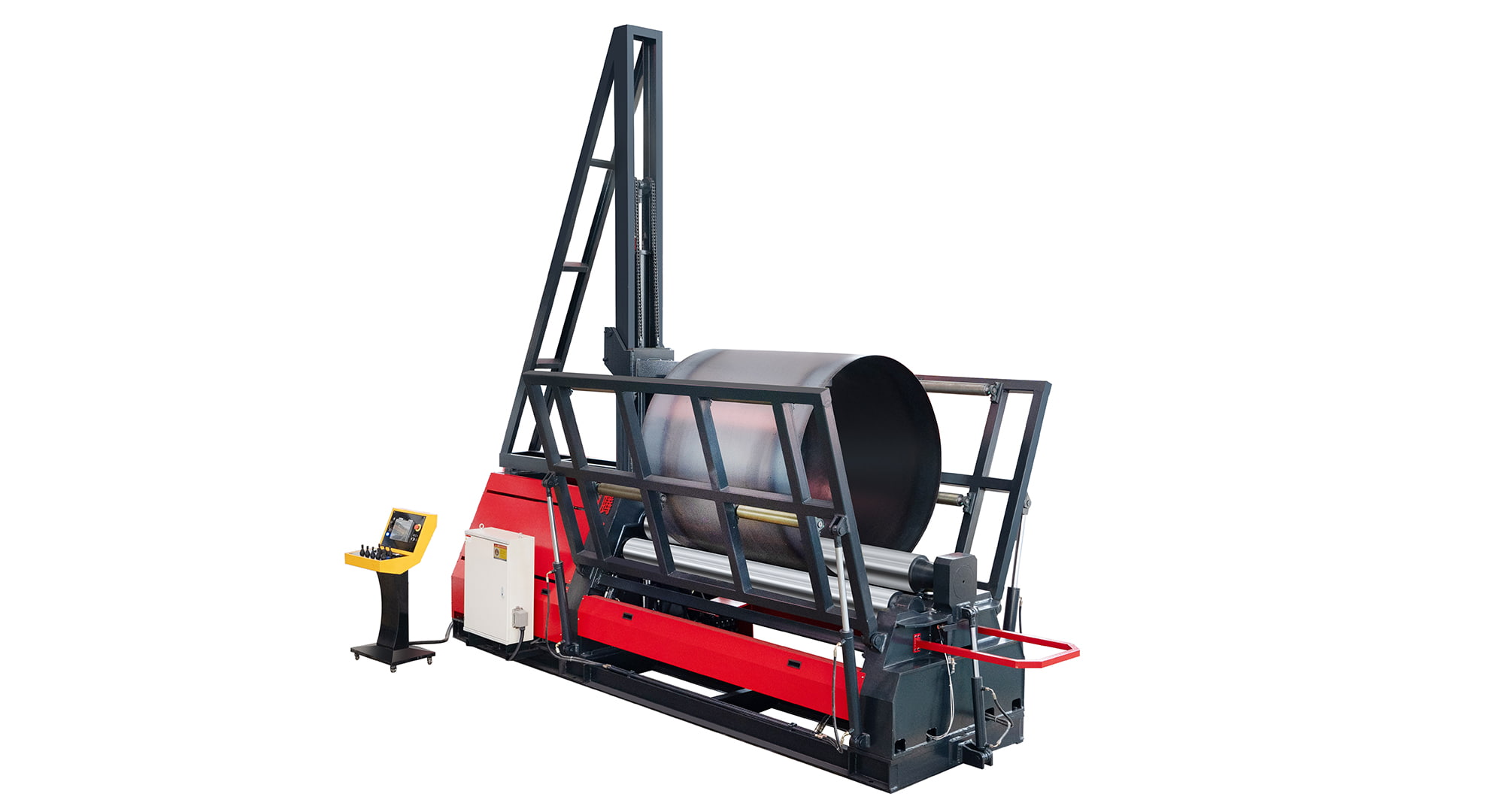
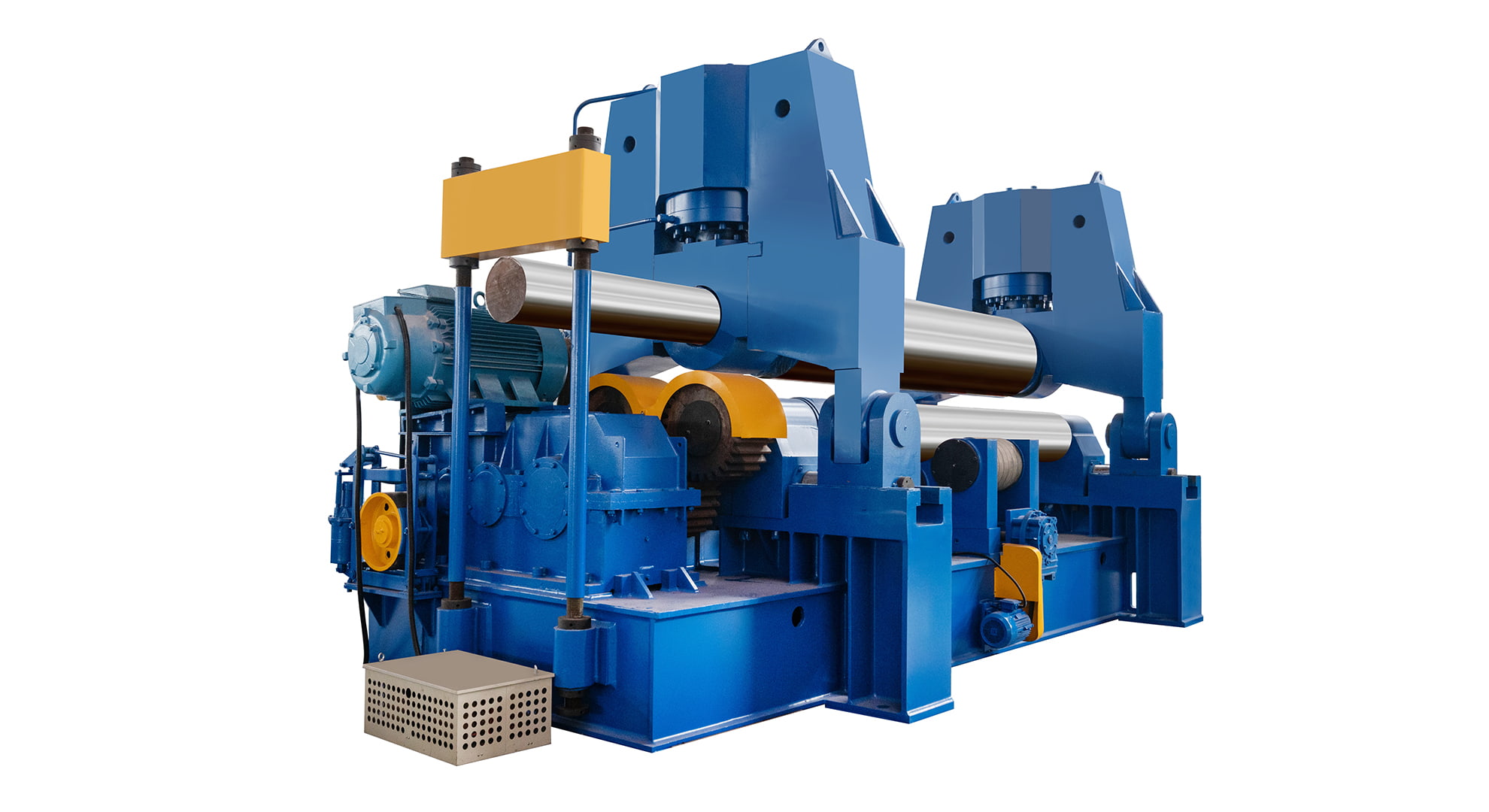
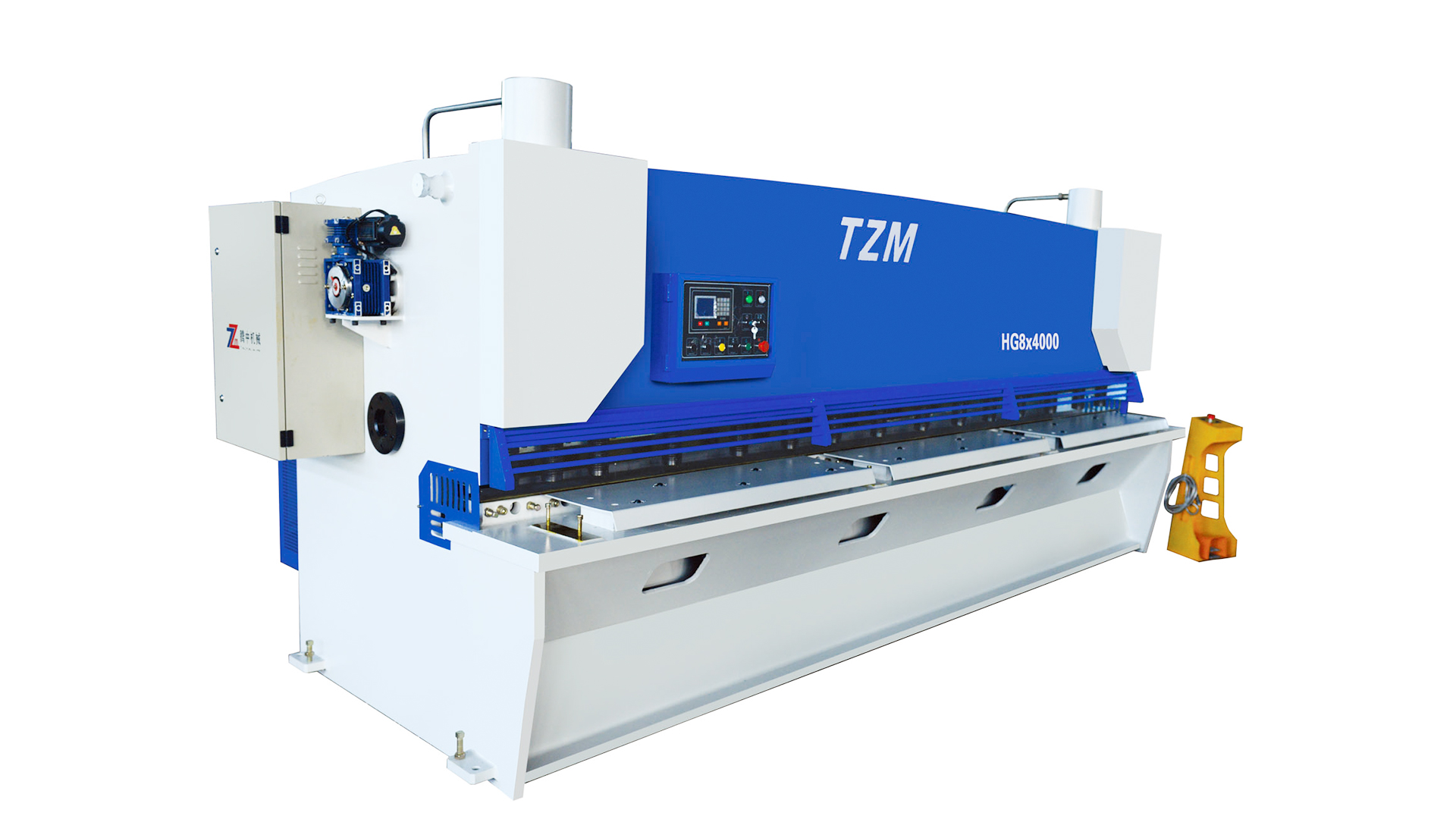
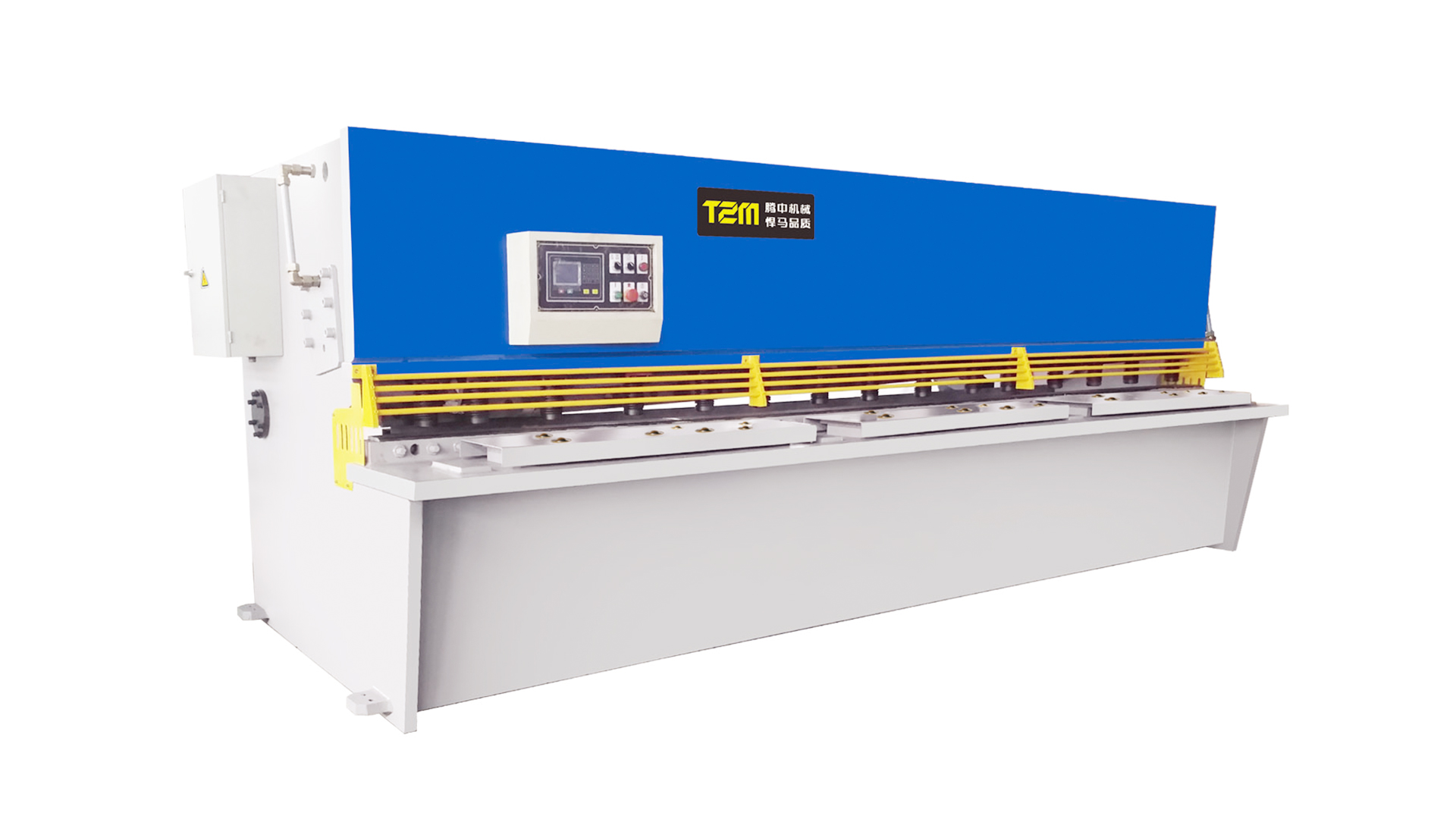
A press brake rarely works alone. Upstream, a CNC hydraulic shearing machine for precise blank preparation ensures your sheet arrives at the brake with clean, accurate edges — which directly affects bending consistency. Downstream, parts requiring cylindrical or conical shapes go to a plate rolling machine. Designing your workflow around these three processes — shear, brake, roll — eliminates most of the rework that drives up fabrication cost.
When evaluating a press brake purchase, think beyond the machine itself: ask the supplier about system bus control architecture (which affects integration with robots and downstream equipment), spare parts availability, and whether the CNC controller supports offline programming software. A machine that fits today's job but can't grow with your line will cost you more in the long run than one sized for where your production is headed.

-
Phone
+86 131-4173-2687
-
Address
6 Jianghai Road,Libao Town, Haian. Jiangsu Province, China
-
Medla

Copyright o Nantong Tengzhong Machinery Manufacturing Co., Ltd. All Rights Reserved.
