
 English
 русский
 Français
 Español
 Português
 عربى
عربى

-


Model:
-

Model:
-

Model:

3 Roller Rolling Machine: How It Works, Key Types & Buying Tips
2026-06-12
Content
What Makes a 3 Roller Rolling Machine Different
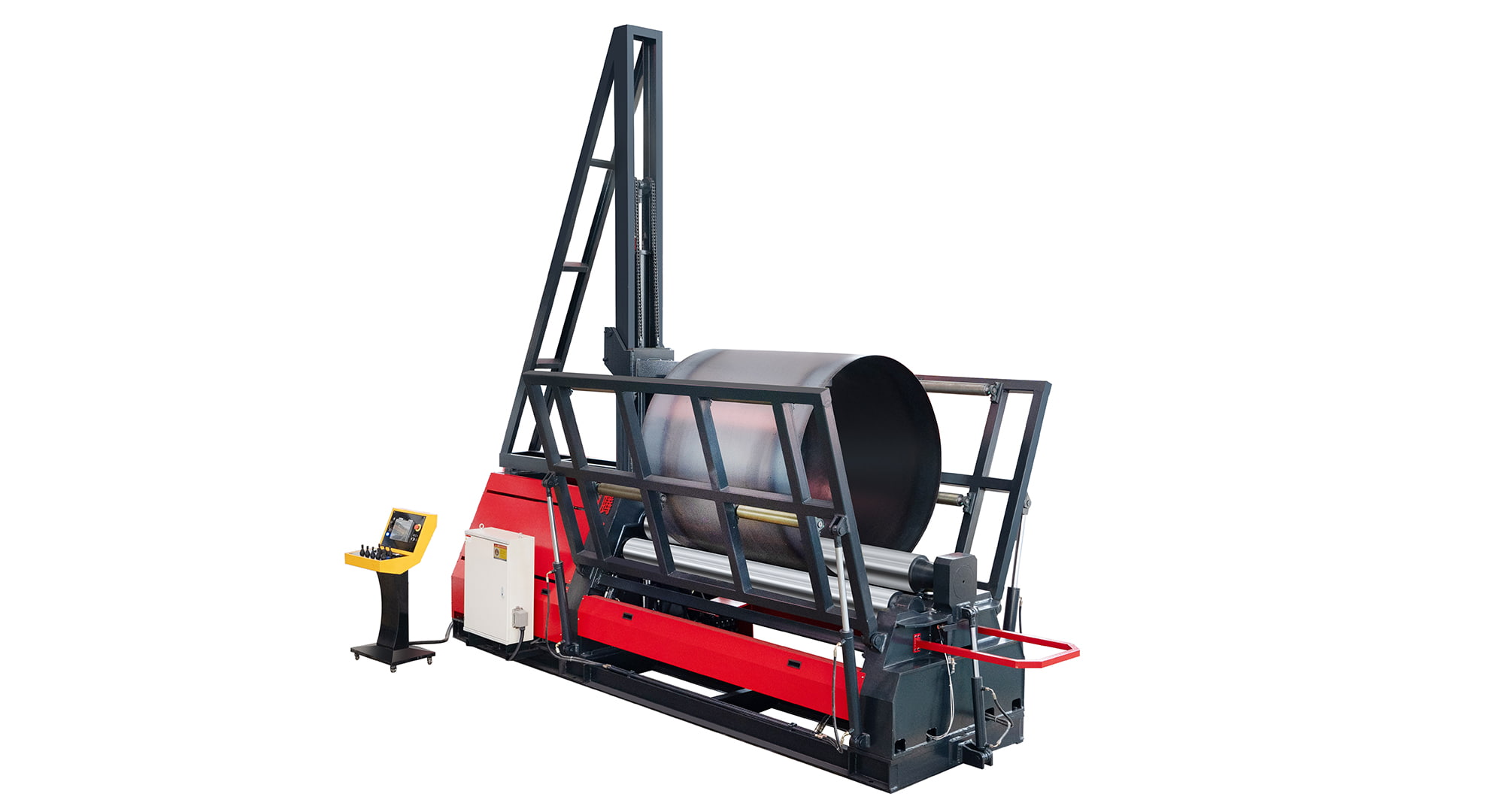
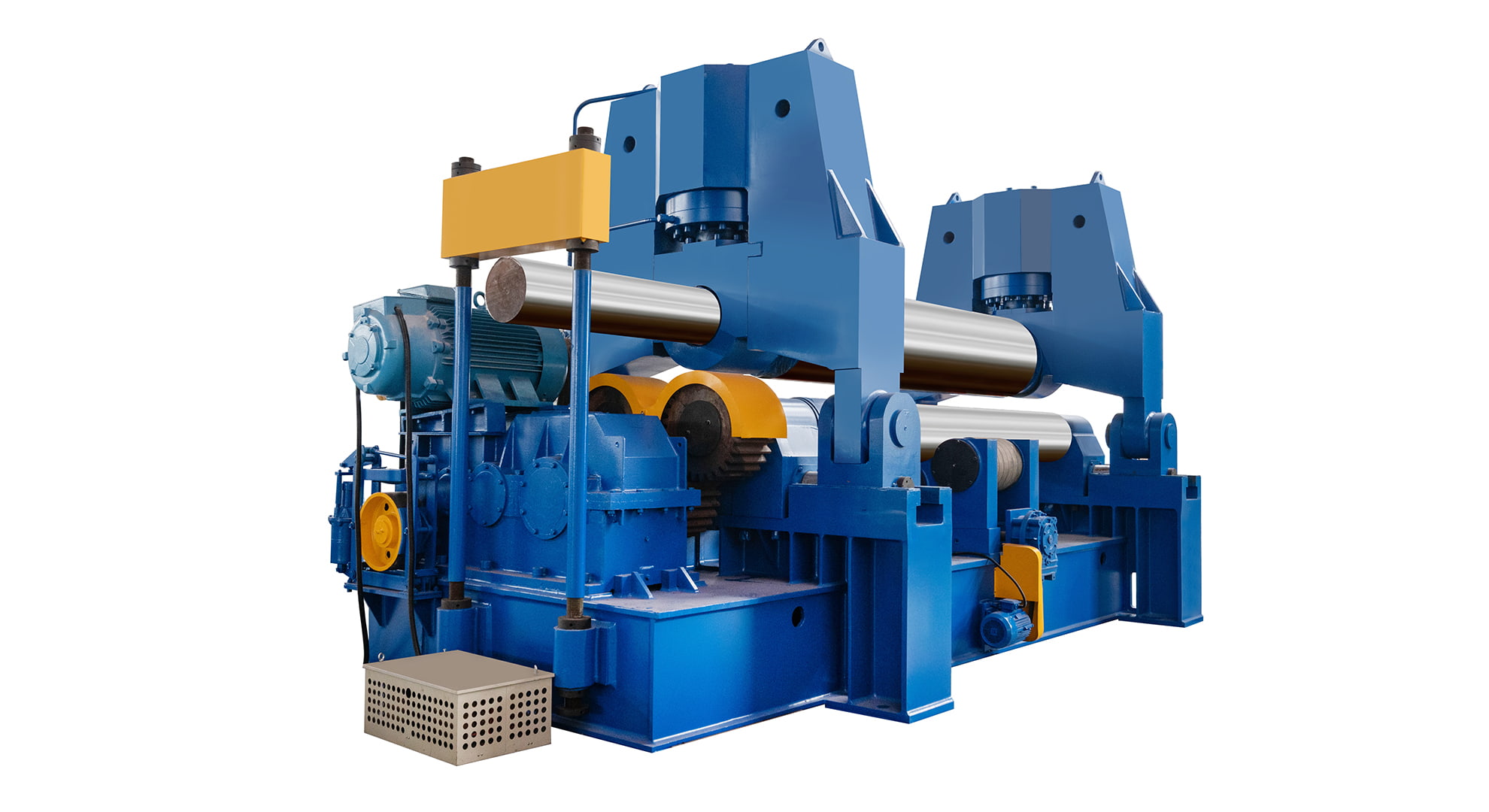
Most metal forming equipment bends in a single plane. A 3 roller rolling machine works differently — it continuously curves metal plate through three rotating rollers, gradually forming it into cylinders, cones, or arcs. The upper roller applies downward pressure while the two lower rollers drive the plate forward. By adjusting the gap between rollers, operators control the radius of the finished curve.
This rolling-by-pressure approach delivers smooth, consistent bends across the full length of a plate — something that press brakes and other bending tools cannot replicate. It's why rolling machines are essential wherever closed or curved forms are required.
Symmetrical vs. Asymmetrical: Which Type Fits Your Job
The two main configurations behave quite differently in practice.
Symmetrical (double-pinch) machines position the upper roller centrally above two lower rollers. They're straightforward to operate and well-suited for medium-to-thick plates where pre-bending the plate ends is handled as a separate step. Setup is simple, and the mechanics are reliable over long production runs.
Asymmetrical machines offset the rollers so the upper roller is the primary drive and one side roller tilts to perform pre-bending directly. This reduces the flat "dead zone" at the plate's leading edge, which matters when you need tight-tolerance cylinders without wasting material on un-bent ends. For shops running thinner plate or needing cleaner edge control, asymmetrical machines are the stronger choice.
If you're deciding between a mechanical and hydraulic version, note that hydraulic 3 roller plate rolling machines offer smoother pressure control and handle heavier plate thicknesses with less operator effort. Mechanical versions cost less upfront and work well for lighter, standard-dimension jobs.
Where These Machines Actually Get Used
The industries that rely on 3 roller rolling machines all share one thing: they need curved metal components at scale, consistently. Common applications include:
- Pressure vessels and storage tanks — cylindrical shells rolled to precise diameters and wall thicknesses
- Shipbuilding — hull sections, frames, and curved deck plates that must hold their shape under load
- Construction and structural work — curved beams, arched support elements, and architectural metalwork
- Energy equipment — boiler shells, heat exchanger bodies, and turbine housings
- Automotive and aerospace fabrication — exhaust components, fuselage sections, and conical structural parts
Across all of these sectors, the same value shows up: one pass through a properly set rolling machine produces a form that would take multiple operations with other equipment.
3 Roller vs. 4 Roller: A Practical Comparison
The question comes up constantly, and the honest answer depends on your production requirements rather than which machine sounds more advanced. See the detailed breakdown of 3-roll vs 4-roll plate rolling differences for a full technical comparison, but here's the short version:
| Factor | 3 Roller | 4 Roller |
|---|---|---|
| Pre-bending | Manual repositioning required | Automatic in one pass |
| Flat end (dead zone) | Longer, needs trimming | Minimal to none |
| Setup time | Shorter for varied jobs | Faster for repeat runs |
| Machine cost | Lower | Higher |
| Best for | Flexible, varied production | High-volume, tight tolerance |
For shops where job types change frequently and material thickness is moderate, 3 roller machines deliver strong return on investment without the complexity of CNC-driven 4 roller systems.
What to Check Before Buying
A few specs determine whether a rolling machine will actually handle your work — or fall short of it once it arrives on your floor.
- Max plate thickness and width — the machine's rated capacity must exceed your thickest workpiece, with margin for harder alloys
- Minimum rolling diameter — every machine has a smallest cylinder it can form; confirm it matches your tightest application
- Material yield strength — mild steel ratings don't translate directly to stainless or high-strength steel; ask for adjusted specs
- Drive type — hydraulic systems handle variable loads more consistently; mechanical drives suit steady, predictable work
- Roller diameter and material — larger-diameter hardened rollers wear longer and deflect less under load, keeping bends straight across wide plates
For tips on getting the most output once the machine is installed, the guide on maximizing efficiency with 3 roller rolling machines covers setup adjustments and common operator mistakes worth avoiding.
A Practical Choice for Most Fabrication Shops
Three roller rolling machines have stayed relevant for decades because their core design is genuinely well-matched to real fabrication demands: they're simpler to set up than 4 roller systems, easier to maintain, and more affordable without sacrificing forming quality on standard plate work. For businesses processing a variety of materials and job types, they remain one of the most cost-effective ways to produce accurate curved and cylindrical components.
Browse the full range of plate rolling machines for industrial metal forming to compare available models and find the configuration suited to your production volume and material requirements.

-
Phone
+86 131-4173-2687
-
Address
6 Jianghai Road,Libao Town, Haian. Jiangsu Province, China
-
Medla

Copyright o Nantong Tengzhong Machinery Manufacturing Co., Ltd. All Rights Reserved.
