
 English
 русский
 Français
 Español
 Português
 عربى
عربى


Understanding the Foundation: Tonnage and Material
Before selecting a single tool, you must calculate the required bending tonnage. Exceeding the press brake's capacity or the tool's rating is dangerous and causes damage. The calculation depends on material type, thickness, tensile strength, and bend length. Use the standard formula: Tonnage = (K * S * T² * L) / (8 * W), where K is a factor (1.33 for air bending), S is tensile strength, T is material thickness, L is bend length, and W is die width. Always add a 20-30% safety margin. For example, bending 10-gauge mild steel (S=60,000 PSI) over a 48-inch length in a 0.5-inch die requires approximately 35 tons. Selecting a punch and die rated for at least 45 tons is crucial for this job.
Decoding Die Selection: The V-Die Essentials
The die opening width is the primary driver of the bending process. It determines the required tonnage and influences the inside bend radius and bend angle.
The 8x Rule and Its Variations
A common starting point is to select a die opening that is 8 times the material thickness (the "8x Rule"). This provides a good balance of tonnage, radius, and springback control. However, this is not absolute. A narrower die (6x) increases tonnage and produces a smaller radius but risks marking the material. A wider die (12x) reduces tonnage and is suitable for larger radii or thicker plates. Refer to the tooling manufacturer's data for precise recommendations.
Die Shape and Application
- Standard V-Die: The most common type, used for the majority of air bending operations.
- Acute-Angle Die (e.g., 30°): Used for forming bends sharper than 90° or for overcoming springback in high-strength materials.
- Gooseneck (Offset) Die: Allows for bending flanges on already formed channels or boxes where a standard die would interfere.
- Hemming Die: A two-stage toolset used to create a flat, closed hem for safe edges.
Choosing the Punch: Profile, Radius, and Tip
The punch forms the inside contour of the bend. Its selection is dictated by the desired bend angle and inside radius, and it must be matched with the correct die opening.
Punch Tip Radius and Angle
As a rule, the punch tip radius should be slightly smaller than the desired inside bend radius of the part. For air bending, the final radius is formed by the die opening, not the punch radius, but the punch tip must be sharp enough to penetrate the material effectively. For bottoming or coining, the punch radius directly forms the part radius. The punch tip angle (typically 85° or 86°) is designed to compensate for springback, allowing the machine to over-bend slightly to achieve a perfect 90° after material rebound.
Punch Profiles
- Standard Punch: Used for most 90° bends. Available in various tip radii.
- Acute Punch: Has a tip angle less than 90° (e.g., 30°, 45°) for forming sharp bends.
- Gooseneck Punch: Paired with a gooseneck die to clear already formed flanges.
- Radius Punch: Features a large, fixed radius for forming rounded bends instead of sharp angles.
- Seaming & Hemming Punches: Specialized tools for creating hems, seams, and other complex edges.
The Critical Interplay: Tooling Compatibility and Setup
Selecting individual tools is not enough; they must work together as a system within your machine.
Tooling Length and Segmentation
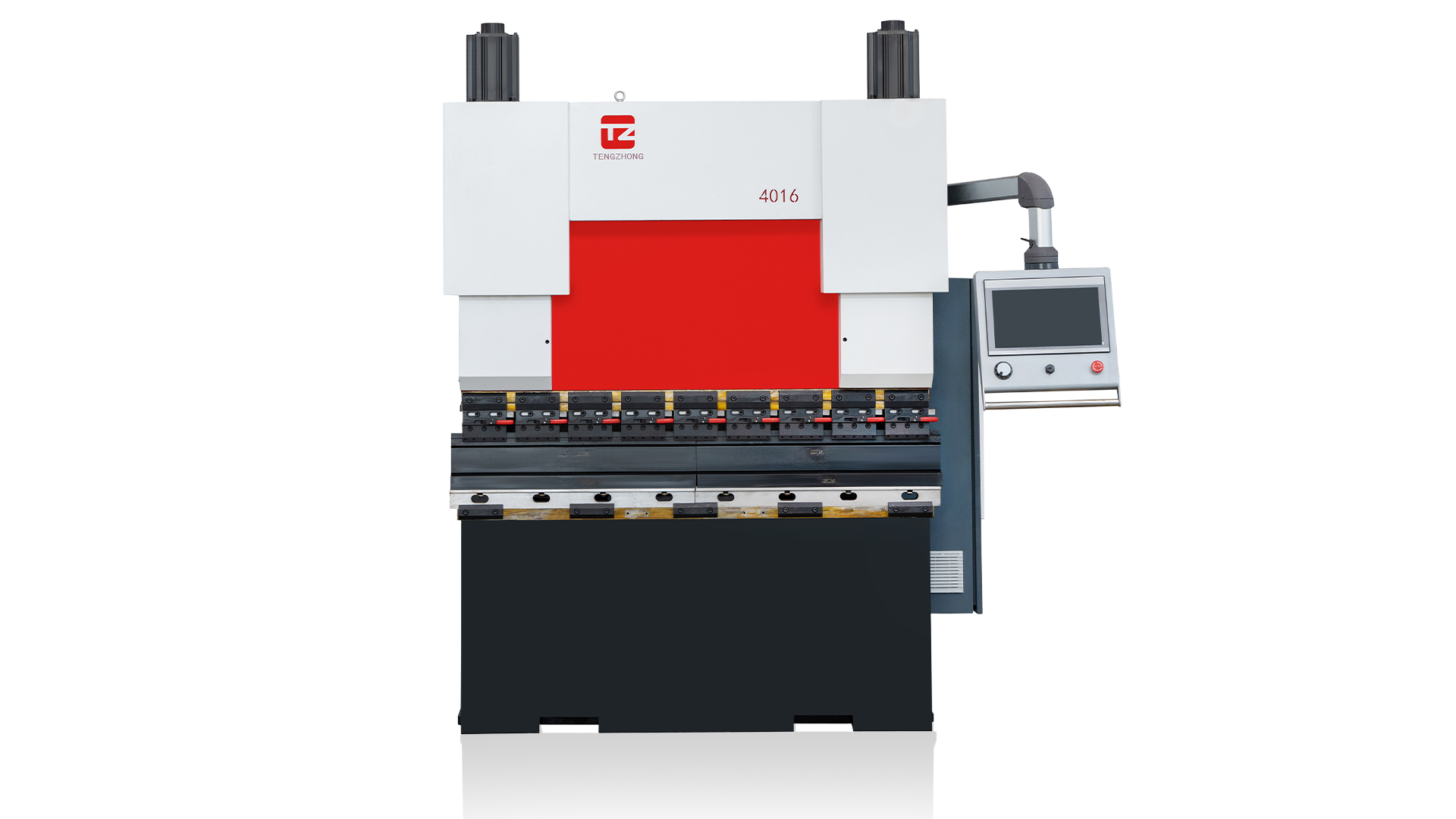
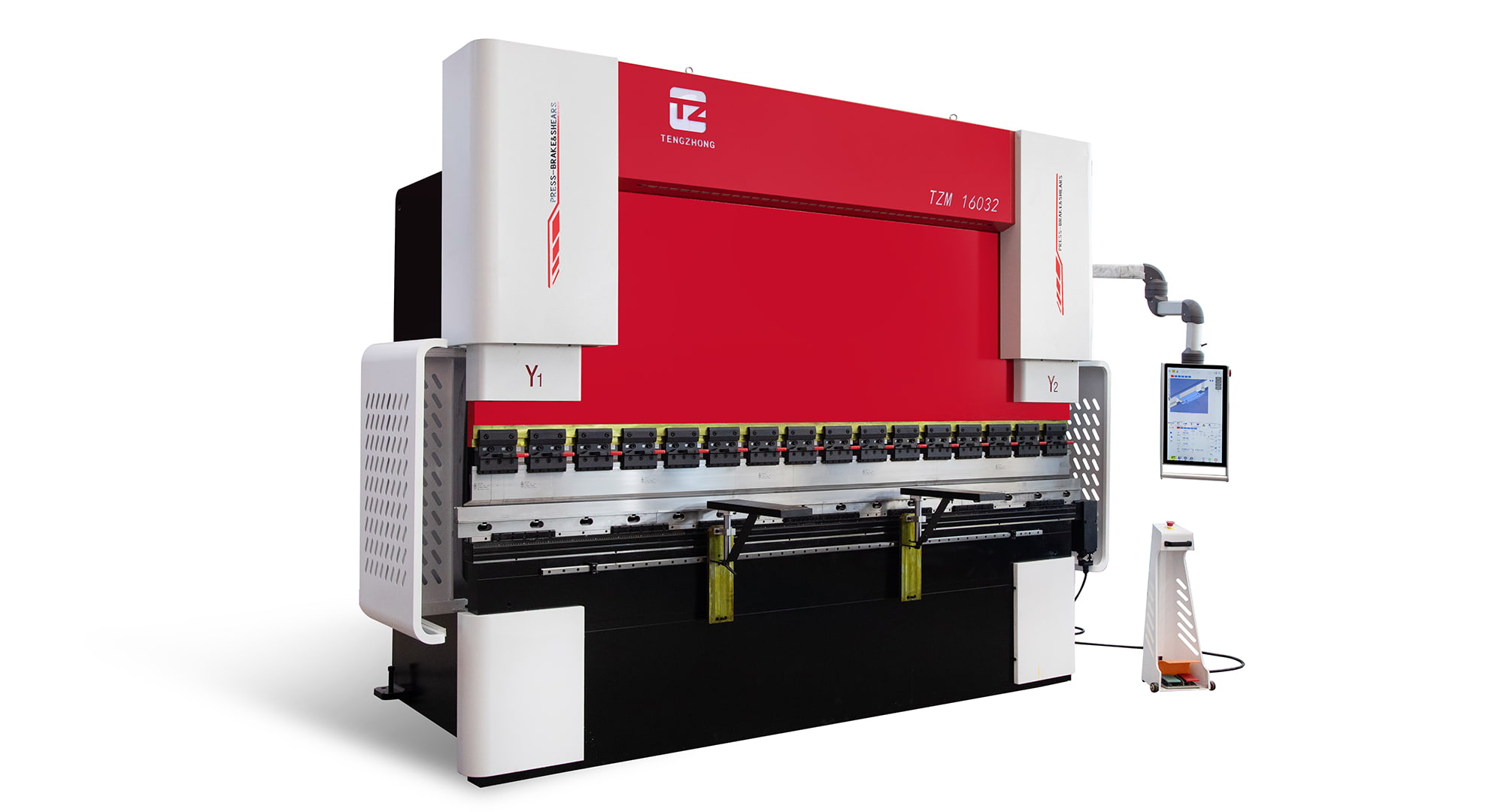
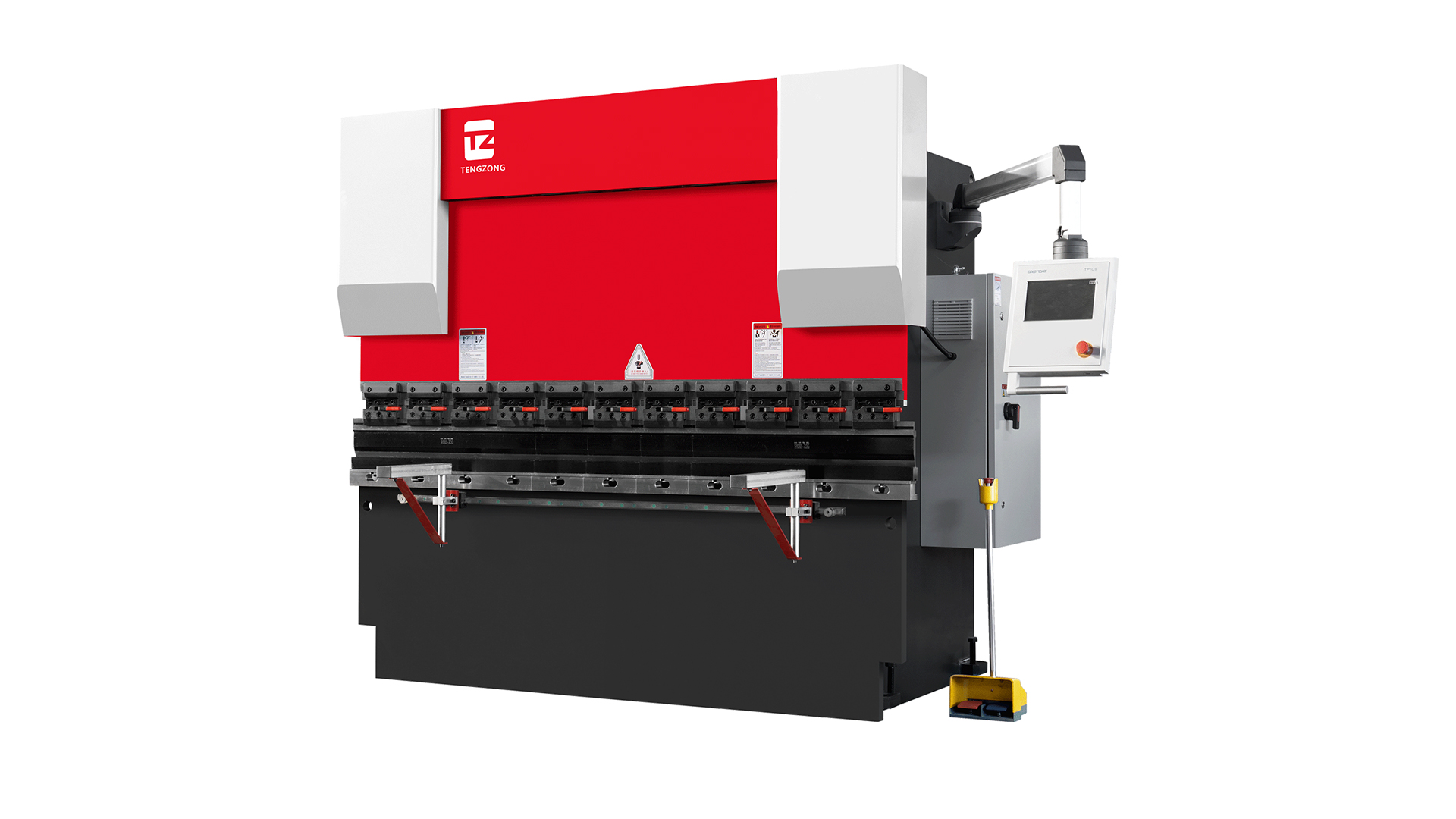
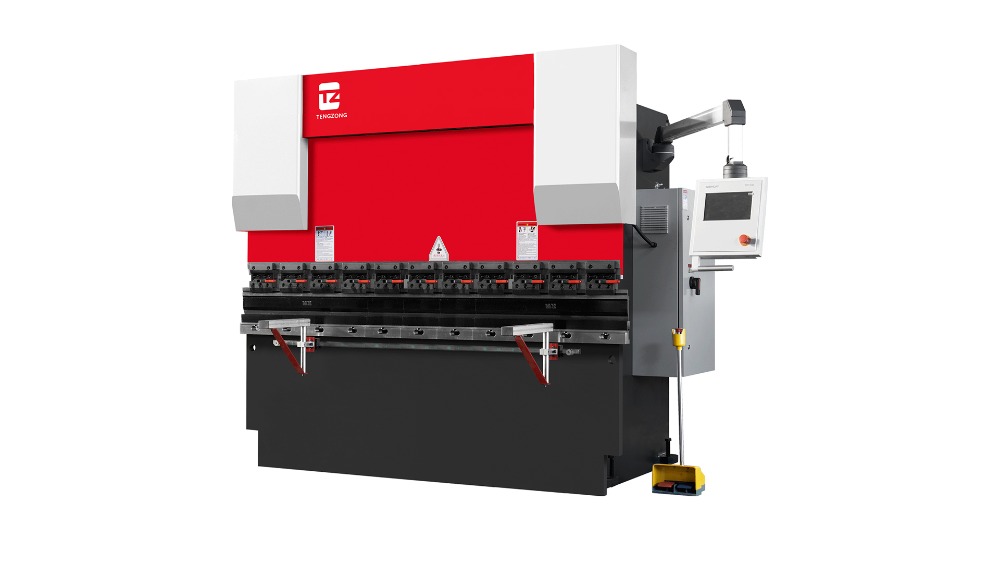
Punch and die lengths must be appropriate for your machine's bed length. Modern NC Press Brake use segmented tooling, allowing you to use only the necessary length for a specific bend, which is crucial for avoiding interference in consecutive bends. Ensure segments are tightly butted together to prevent marks on the workpiece.
Clearance and Stack Height
You must verify that the combined height of the punch holder, punch, die, and die holder (the "stack height") fits within the press brake's daylight opening. Furthermore, sufficient clearance must exist between the punch tip and the die shoulders, especially when using gooseneck tools or forming deep channels.
Practical Selection Guide: A Job-Based Approach
Here is a concise reference table for common bending scenarios.
| Job Requirement | Recommended Die Opening | Recommended Punch | Key Consideration |
| General 90° bend on 3mm mild steel | 24mm (8x Thickness) | Standard 86° punch, 2-3mm tip radius | Verify tonnage; standard air bending. |
| Heavy plate (12mm) with large radius | 100mm+ (10-12x Thickness) | Large radius punch or standard blunt nose | High tonnage; ensure machine capacity. |
| Forming a box with two flanges | Standard V-die | Gooseneck punch | Clearance for first flange during second bend. |
| Sharp 30° bend in stainless steel | Acute-angle die (30°) | Acute-angle punch (30° or smaller) | High springback; may require bottoming. |
| Creating a safe, flat edge (hem) | Hemming die set | Hemming punch set | Multi-stage process; program separate steps in CNC. |
Avoiding Common Pitfalls
Even with correct selection, mistakes in application lead to poor results. Always lubricate the tooling when bending stainless steel or aluminum to prevent galling and material pickup. Clean the tooling and machine table regularly to avoid indentations on the workpiece surface. For long bends, support the workpiece mid-span to prevent deflection and an inconsistent angle (a condition called "sag"). Finally, always consult the tooling manufacturer's technical catalog—it is the most authoritative source for load limits, geometry specifications, and application guidelines for your specific toolset. Systematic selection ensures precision, safety, and longevity for both your NC Press Brake and its tooling.