
 English
 русский
 Français
 Español
 Português
 عربى
عربى

-


Model:
-

Model:
-

Model:

Practical Guide to Plate Rolling Machines: Operation, Selection, and Maintenance
2025-12-19
Content
Understanding the Role of a Plate Rolling Machine
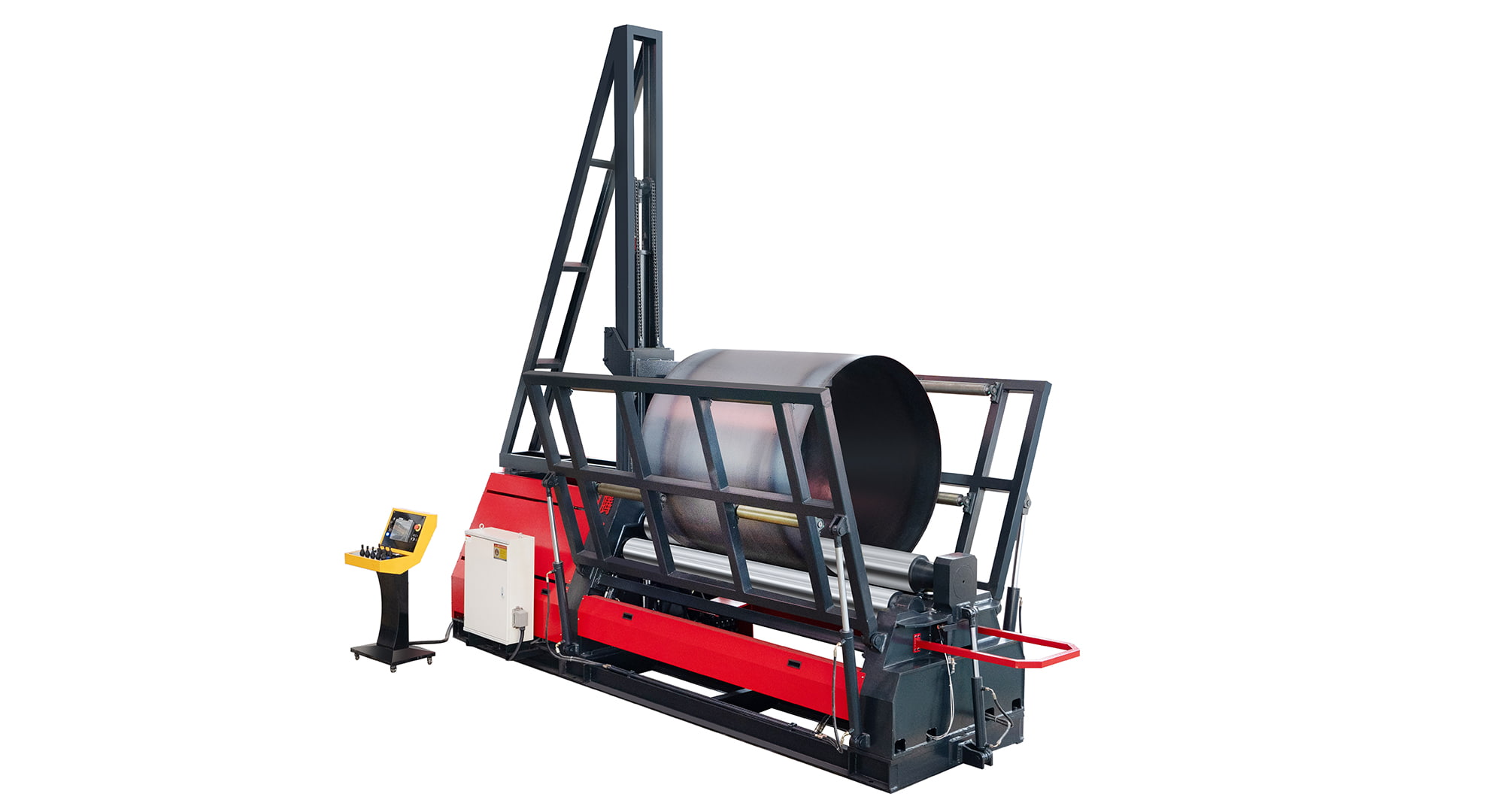
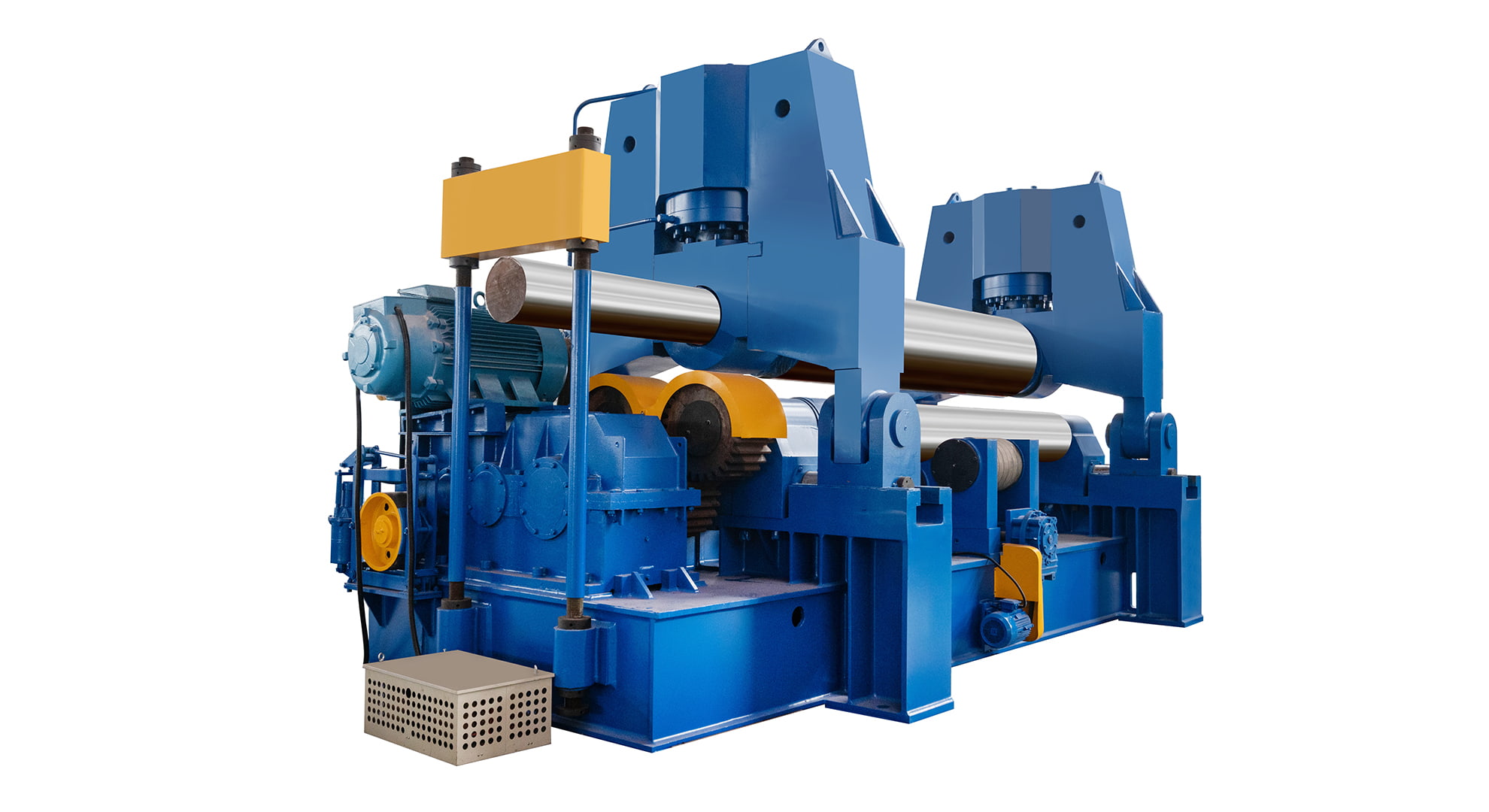
A plate rolling machine is designed to bend flat metal plates into cylindrical, conical, or curved shapes with controlled accuracy. It is commonly used in industries such as pressure vessel manufacturing, shipbuilding, structural fabrication, and energy equipment. Unlike general bending tools, this machine applies gradual and distributed force, reducing internal stress in the material and improving the consistency of the final radius.
Understanding how the machine interacts with material thickness, width, and yield strength is essential. Rolling is not a single action but a sequence of controlled passes where the plate is incrementally deformed. This makes the machine suitable for both one-off custom jobs and repeat production when parameters are well managed.
Main Types and Their Practical Differences
Plate rolling machines are commonly classified by the number and arrangement of rolls. Each configuration affects how the plate is fed, aligned, and pre-bent, which in turn influences productivity and achievable accuracy.
- Three-roll machines: Suitable for general fabrication, offering a balance between cost and flexibility. They require more skill to control flat ends.
- Four-roll machines: Provide easier plate alignment and better pre-bending, making them practical for high-precision or repetitive work.
- Variable-geometry machines: Designed for thick plates and demanding applications, allowing fine control over bending forces.
Choosing among these types should be driven by material range, desired output quality, and operator experience rather than machine complexity alone.
Key Parameters That Affect Rolling Results
Several technical parameters directly influence rolling performance. Ignoring these can lead to inconsistent curvature, excessive flat ends, or surface defects.
| Plate Thickness | Determines required rolling force and roll diameter |
| Material Yield Strength | Affects springback and number of passes needed |
| Roll Alignment | Ensures uniform bending across plate width |
Operators should document these parameters for recurring jobs. This reduces setup time and improves repeatability, especially in batch production.
Operational Practices for Consistent Results
Effective operation relies on preparation and controlled execution. Before rolling, the plate edges should be square and free of burrs to prevent tracking issues. Proper lubrication between the plate and rolls can reduce surface marking and rolling resistance.
Step-by-Step Rolling Approach
- Pre-bend both ends to minimize flat sections.
- Roll in multiple light passes rather than one heavy pass.
- Measure curvature frequently and compensate for springback.
This method reduces the risk of over-bending and makes corrections easier before the final diameter is reached.
Maintenance and Long-Term Accuracy
Regular maintenance directly affects rolling accuracy and machine lifespan. Roll surfaces should be inspected for wear or scoring, as even minor defects can transfer to finished parts. Hydraulic systems require routine checks for pressure stability and leaks.
Maintenance Focus Areas
- Periodic calibration of roll parallelism.
- Cleaning and lubrication of moving components.
- Monitoring electrical and control system responses.
A simple maintenance log helps identify patterns and prevents small issues from escalating into costly downtime.
Selecting a Machine Based on Real Needs
When selecting a plate rolling machine, it is practical to evaluate actual job requirements rather than theoretical maximum capacity. Consider the thickest and widest plates used regularly, not occasional extremes. Also assess available floor space, operator skill level, and integration with upstream cutting or downstream welding processes.
A well-matched machine improves efficiency and reduces rework, making it a dependable tool rather than a bottleneck in fabrication workflows.

-
Phone
+86 131-4173-2687
-
Address
6 Jianghai Road,Libao Town, Haian. Jiangsu Province, China
-
Medla

Copyright o Nantong Tengzhong Machinery Manufacturing Co., Ltd. All Rights Reserved.
