
 English
 русский
 Français
 Español
 Português
 عربى
عربى

-


Model:
-

Model:
-

Model:

CNC Bending Machine Cost: Full Price Breakdown & Buying Guide
2026-03-12
Content
- 1 Typical Price Ranges: What to Expect at Each Tier
- 2 Key Factors That Determine the Final Price
- 3 NC vs. CNC Press Brake: Does the Distinction Affect Price Significantly?
- 4 Hidden Costs Buyers Often Overlook
- 5 How to Choose the Right Spec Without Overspending
- 6 Sourcing from China: What You Actually Get for the Price
- 7 Making the Final Decision: Price vs. Total Value
Buying a CNC bending machine is a significant capital investment, and the price range is wide enough that two buyers in the same industry can end up spending very different amounts — sometimes differing by a factor of five or more. From our experience as a manufacturer supplying customers across light industry, shipbuilding, aviation, and construction, the question of cost is almost never answered with a single number. It depends on what you need the machine to do, how precisely it needs to do it, and how long you expect it to last.
This guide breaks down CNC bending machine pricing honestly — by type, capacity, and the factors that actually move the price up or down — so you can budget with confidence and avoid paying for capabilities you don't need.
Typical Price Ranges: What to Expect at Each Tier
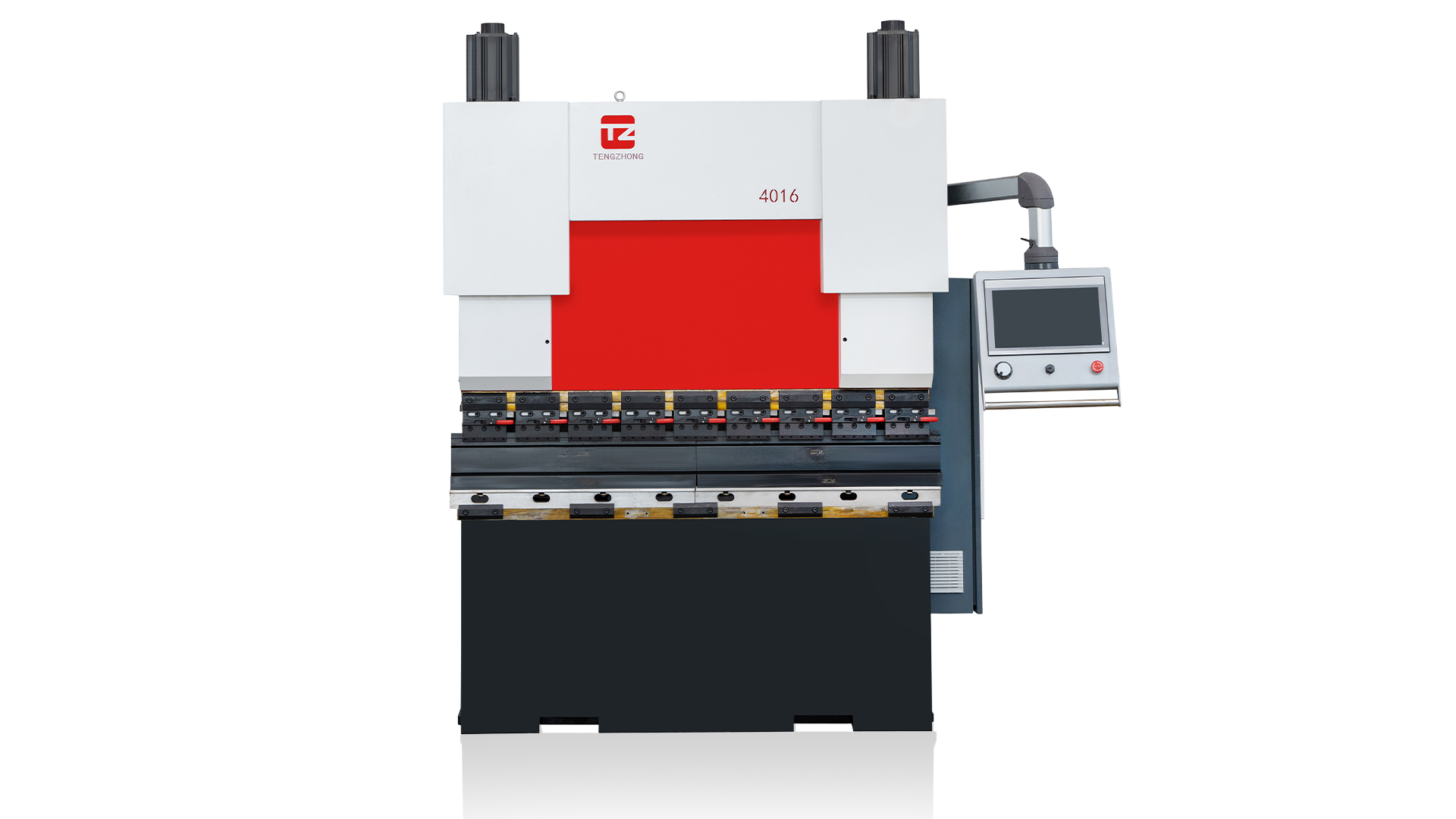
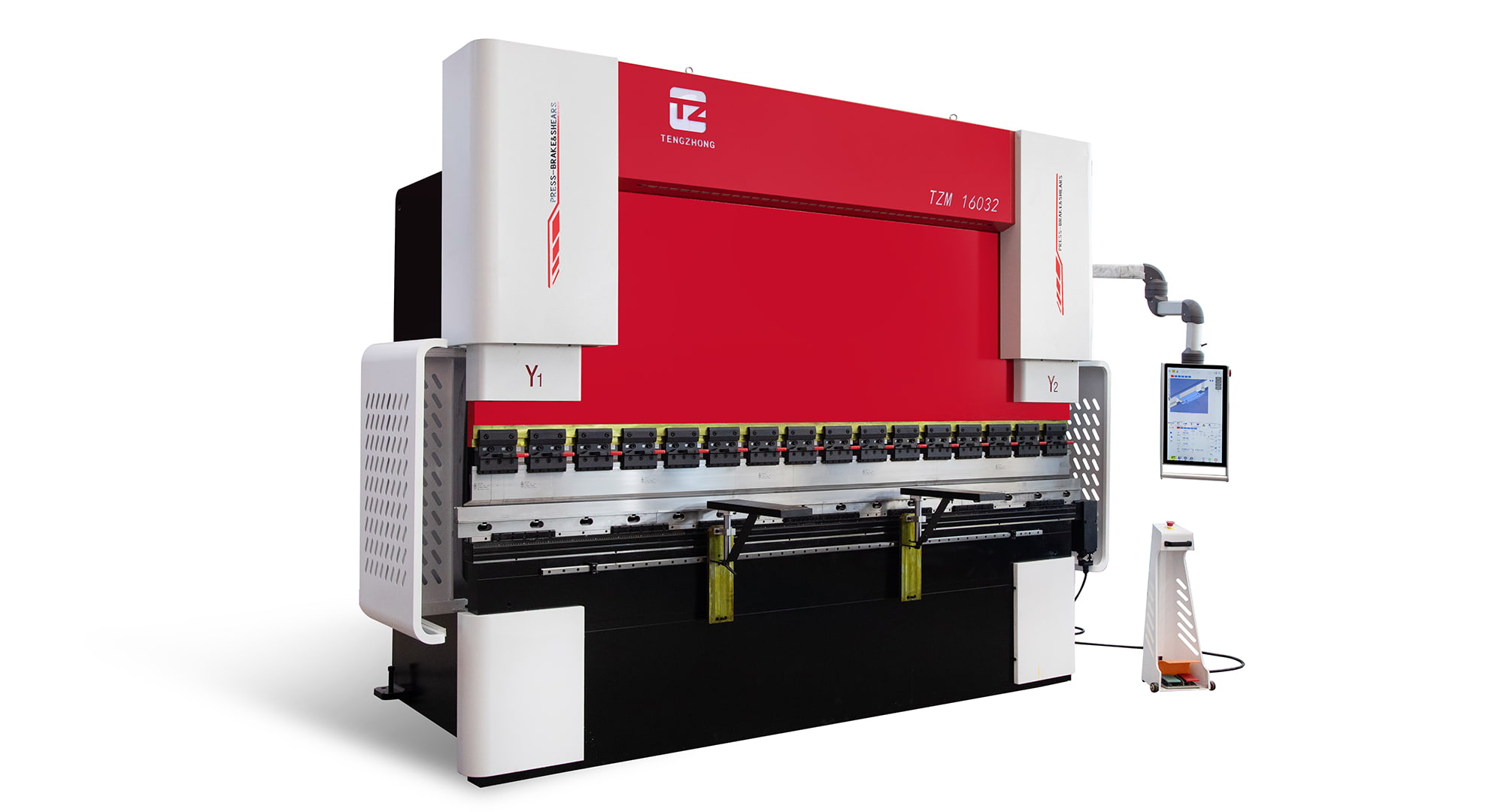
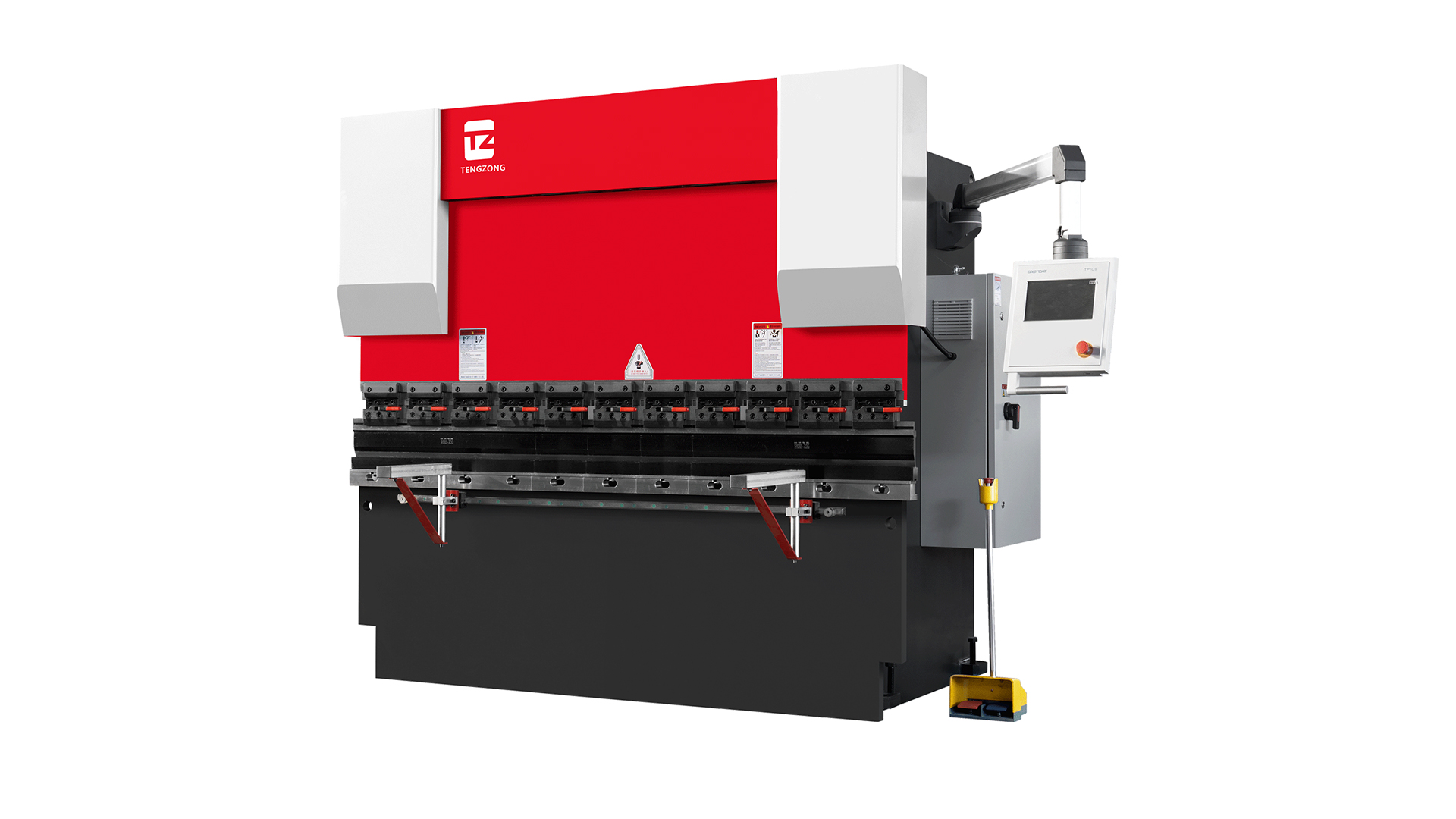
CNC bending machines — commonly referred to as CNC press brakes — generally fall into three broad pricing tiers based on tonnage, control sophistication, and build quality.
| Tier | Typical Tonnage | Price Range (USD) | Best Suited For |
|---|---|---|---|
| Entry-Level NC / Basic CNC | 40–100 ton | $8,000 – $25,000 | Small workshops, simple repetitive bends |
| Mid-Range CNC Hydraulic Servo | 100–250 ton | $25,000 – $80,000 | Medium fabricators, diverse part geometries |
| High-End / Heavy Duty CNC | 250–1000+ ton | $80,000 – $300,000+ | Heavy plate, structural steel, high-volume production |
It's worth noting that machines sourced directly from Chinese manufacturers — like ourselves — typically price 30–50% lower than equivalent European or American brands at similar specifications, without compromising structural integrity or control system quality. That gap has attracted buyers from over 50 countries to source from China in recent years.
Key Factors That Determine the Final Price
The sticker price of a CNC bending machine is shaped by several variables. Understanding each one helps you identify where you should invest and where you can reasonably save.
Tonnage and Bending Length
These two specifications have the single largest impact on price. Tonnage refers to the pressing force the machine can generate, while bending length determines the maximum workpiece width. A 100-ton / 3200mm machine will cost significantly more than a 63-ton / 2500mm unit. For reference, every step up in tonnage class — say from 100 to 160 tons — typically adds 20–40% to the base price.
If you're bending mild steel at 4mm thickness or less, a 100-ton machine is usually sufficient for widths up to 3000mm. Moving into 6–10mm stainless steel requires 200 tons or more to maintain angle accuracy.
CNC Control System
The control system is where a significant portion of the added cost lives in mid-to-high-end machines. Common systems include the Delem DA series (DA-53T, DA-66T, DA-69T) and the Cybelec range, each offering different levels of 3D programming, angle correction, and axis control. A machine fitted with a Delem DA-69T 3D graphical controller can add $5,000–$15,000 to the price compared to a simpler 2-axis system, but for shops handling complex or varied part programs, the productivity gains justify the premium quickly.
Hydraulic vs. Servo-Electric Drive
Traditional hydraulic press brakes remain the dominant technology due to their high force capacity and robustness. Servo-electric models are gaining ground in lighter-tonnage applications (typically under 100 tons) thanks to their energy efficiency — consuming power only during the active pressing stroke rather than continuously. A servo-electric CNC press brake may cost 15–25% more upfront than a comparable hydraulic unit but can reduce electricity consumption by up to 50% in high-cycle environments, yielding a payback period of two to four years for many operations.
Electro-hydraulic servo systems represent a middle ground — combining hydraulic force with servo-controlled precision — and are currently the most popular configuration in the mid-range market.
Number of CNC Axes
A basic 2-axis CNC press brake controls the Y-axis (ram movement) and X-axis (backgauge depth). Higher-axis machines add R-axis (backgauge height), Z-axis (lateral backgauge positioning), and crowning adjustment, among others. Each additional controlled axis improves part accuracy and reduces setup time but adds cost. A 4-axis machine typically costs 20–35% more than a 2-axis equivalent at the same tonnage. For shops running complex multi-bend parts in production quantities, that investment in axes pays back rapidly through reduced scrap and reprogram time.
Tooling and Backgauge Configuration
The machine price often doesn't include a full set of punches and dies. A standard V-die set for a 100-ton machine might add $1,500–$5,000, while specialty tooling for hemming, offset bending, or tube forming can push accessory costs significantly higher. Quick-change tooling clamping systems, which reduce tool swap time from 20 minutes to under 2, add a further premium but are worth considering for any shop running mixed-part production.
NC vs. CNC Press Brake: Does the Distinction Affect Price Significantly?
Yes — and it's a distinction worth understanding before you budget. An NC (numerically controlled) press brake uses a simpler controller that manages ram depth and backgauge position but lacks full program storage and multi-bend sequencing. A CNC machine stores complete bend programs, allows 3D simulation, and supports automated production runs.
The price gap between NC and CNC at equivalent tonnage is typically $5,000–$15,000, depending on the control system chosen. For shops doing repetitive production with consistent part geometry, an NC machine can be a cost-effective entry point. For fabricators handling diverse orders or complex part families, the CNC premium is nearly always recovered within the first year through reduced setup time and scrap rates.
Hidden Costs Buyers Often Overlook
The machine price is only one part of your total cost of ownership. Several additional expenses catch buyers off guard:
- Freight and import duties: For overseas purchases, sea freight to European or North American ports typically runs $800–$3,000 depending on machine weight and destination port. Import tariffs vary by country and HS code.
- Installation and commissioning: On-site installation, leveling, and test bending can cost $500–$2,500 if a technician is required. Many buyers handle this with remote video support, which most reputable manufacturers provide at no extra charge.
- Operator training: A CNC press brake with a modern control system typically requires 2–5 days of training for a new operator. Factor in either formal training costs or productivity losses during the learning curve.
- Spare parts and consumables: Hydraulic seals, oil, and wear tooling are recurring costs. Budgeting 1–2% of machine value per year is a reasonable baseline for a well-maintained machine.
- Foundation and electrical supply: Heavy machines (200 ton+) may require a reinforced concrete pad and a dedicated 3-phase power supply with appropriate amperage — costs that vary considerably by facility.
How to Choose the Right Spec Without Overspending
One of the most common mistakes we see buyers make is over-specifying on tonnage "just in case." A machine running at 30–40% of its rated capacity produces less precise bends, wears components unevenly, and costs more both upfront and in energy consumption. Equally, under-specifying leads to overloading, premature frame fatigue, and angle inconsistency.
A practical approach to right-sizing your purchase:
- Identify your thickest material and highest tensile strength in your current or planned workload.
- Determine the maximum part width you need to bend.
- Use a press brake tonnage calculator (most reputable manufacturers provide one) to establish the minimum required force.
- Add a 20–25% safety margin to that figure — not 100% as many buyers instinctively do.
- Choose your control system based on part variety: simple and repetitive = NC or basic CNC; complex and high-mix = full CNC with multi-axis backgauge.
We offer a customization service where buyers can submit their sheet thickness, material, and bending length requirements, and we'll recommend the appropriate machine configuration — avoiding both over-investment and under-capacity.
Sourcing from China: What You Actually Get for the Price
The perception that Chinese-manufactured CNC bending machines are low quality has not been accurate for over a decade. The industry has matured considerably, and manufacturers in regions like Jiangsu and Anhui now supply machines to customers in Germany, Australia, the United States, and across the Middle East — markets with stringent quality expectations.
What you typically get when sourcing from a reputable Chinese manufacturer at mid-range prices:
- Welded steel frames stress-relieved through annealing for long-term stability
- International control systems (Delem, ESA, or equivalent) — not proprietary locked systems
- Hydraulic components from recognized brands such as Bosch Rexroth or Yuken
- CE certification and compliance with EN 12622 laser safety standards
- Remote technical support and spare parts availability after delivery
The key differentiator between manufacturers at similar price points is usually after-sales support and parts lead time — factors worth verifying before committing to any purchase.
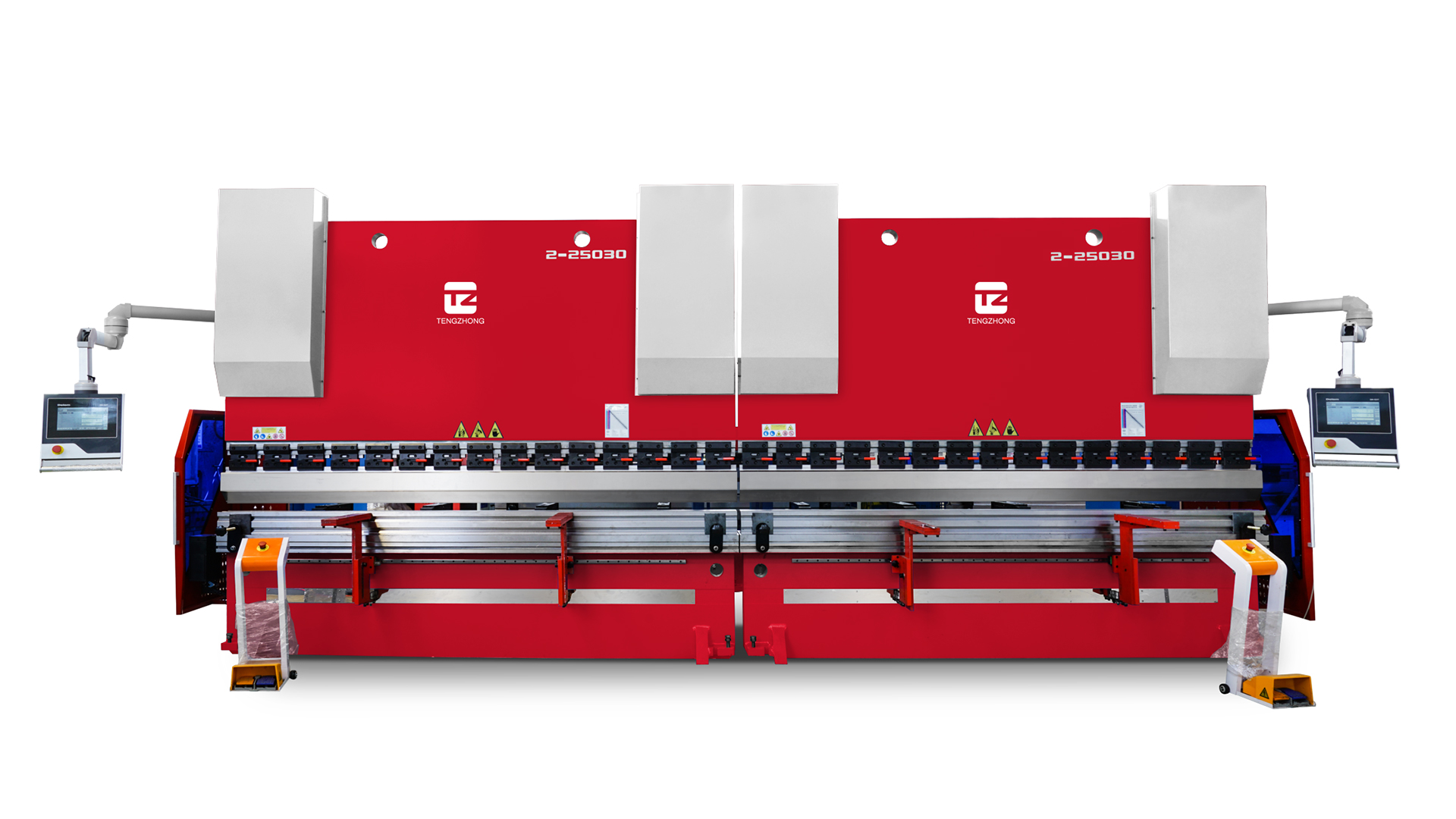
If you are evaluating options, you can browse our CNC press brake machine range — we manufacture models from standard NC configurations through to fully servo-electric and tandem CNC systems, covering a wide range of tonnage and bending length requirements.
Making the Final Decision: Price vs. Total Value
A CNC bending machine purchased at $18,000 that requires $4,000 in repairs within two years, produces 3% scrap due to angle inconsistency, and takes 45 minutes per job setup will cost more in real terms than a $30,000 machine that runs reliably for a decade with tight angular repeatability (±0.1°) and 10-minute program recalls.
When evaluating price, the most useful framework is cost per bend over the machine's working life — factoring in energy consumption, downtime history, tooling compatibility, and resale value. A machine with a 10-year service life producing 500 parts per day has a fundamentally different cost structure than one purchased for intermittent use in a small shop.
The right question to ask any supplier isn't only "what is the price?" but: What is the repeatability tolerance? What control system is fitted? What is the warranty coverage? How quickly can spare parts be sourced? These answers will tell you far more about value than the invoice total alone.

-
Phone
+86 131-4173-2687
-
Address
6 Jianghai Road,Libao Town, Haian. Jiangsu Province, China
-
Medla

Copyright o Nantong Tengzhong Machinery Manufacturing Co., Ltd. All Rights Reserved.
