
 English
 русский
 Français
 Español
 Português
 عربى
عربى

-


Model:
-

Model:
-

Model:

Press Brake Machine: Types, Working Principle & How to Choose
2026-03-20
Content
What Is a Press Brake Machine?
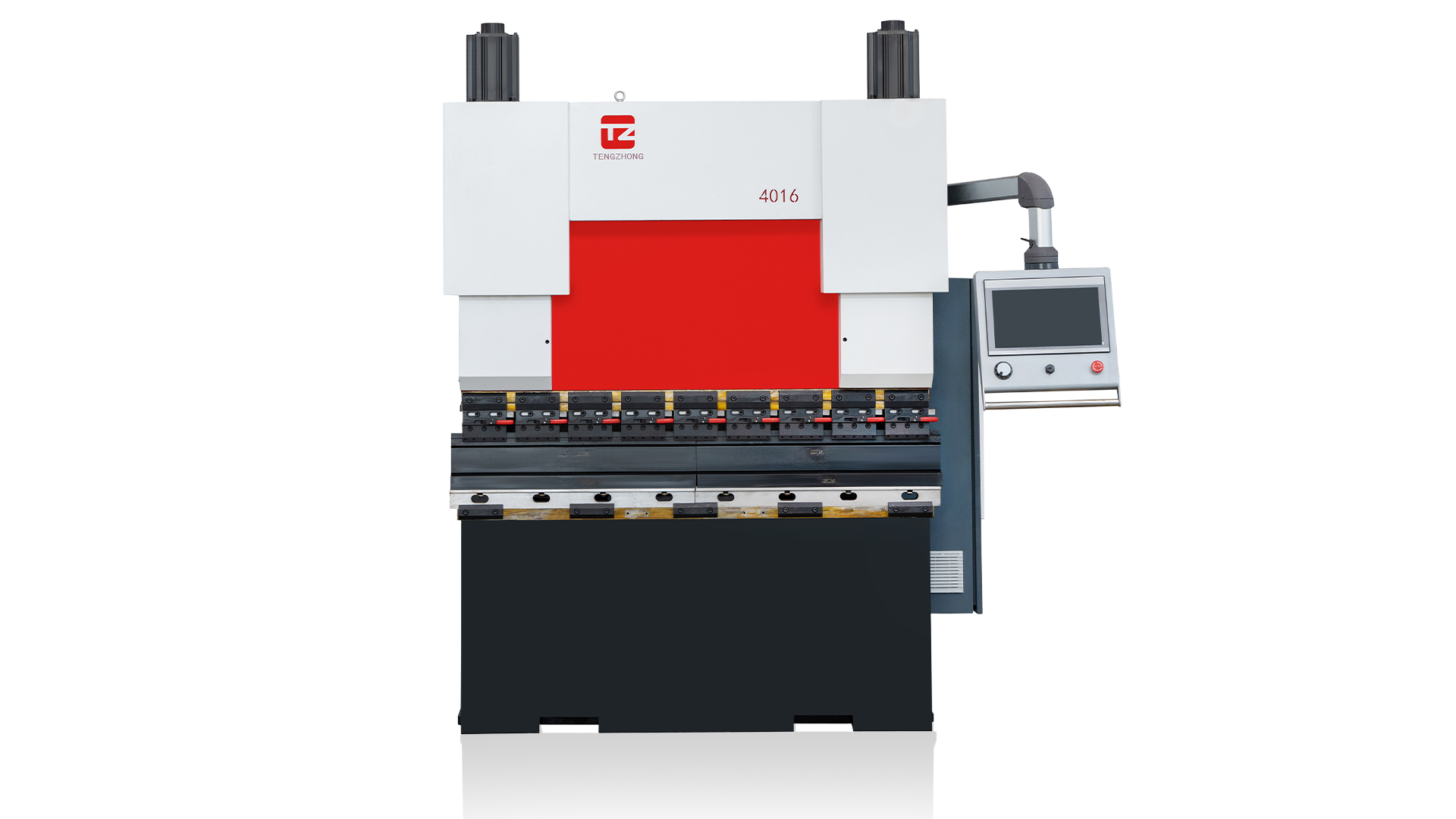
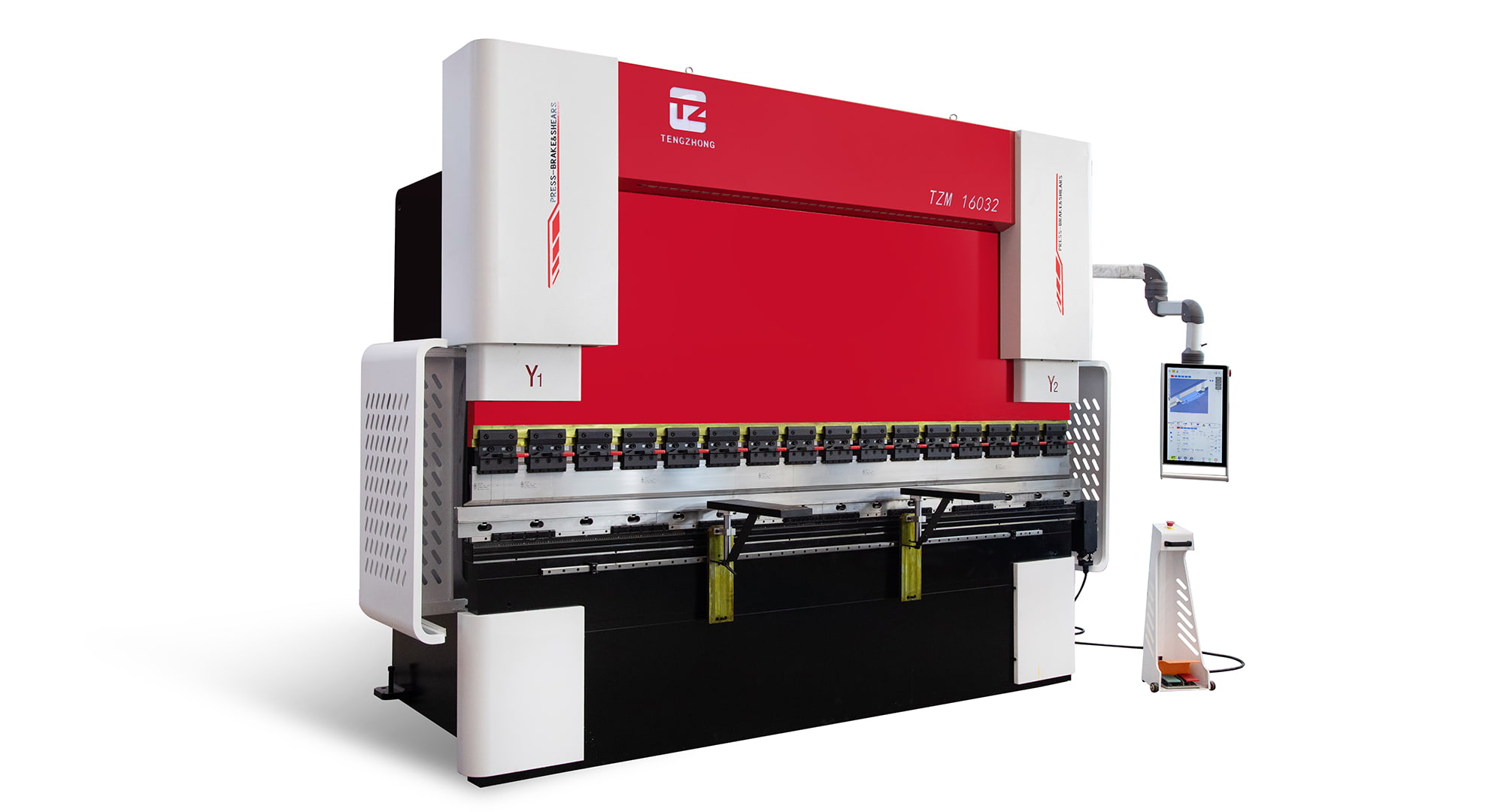
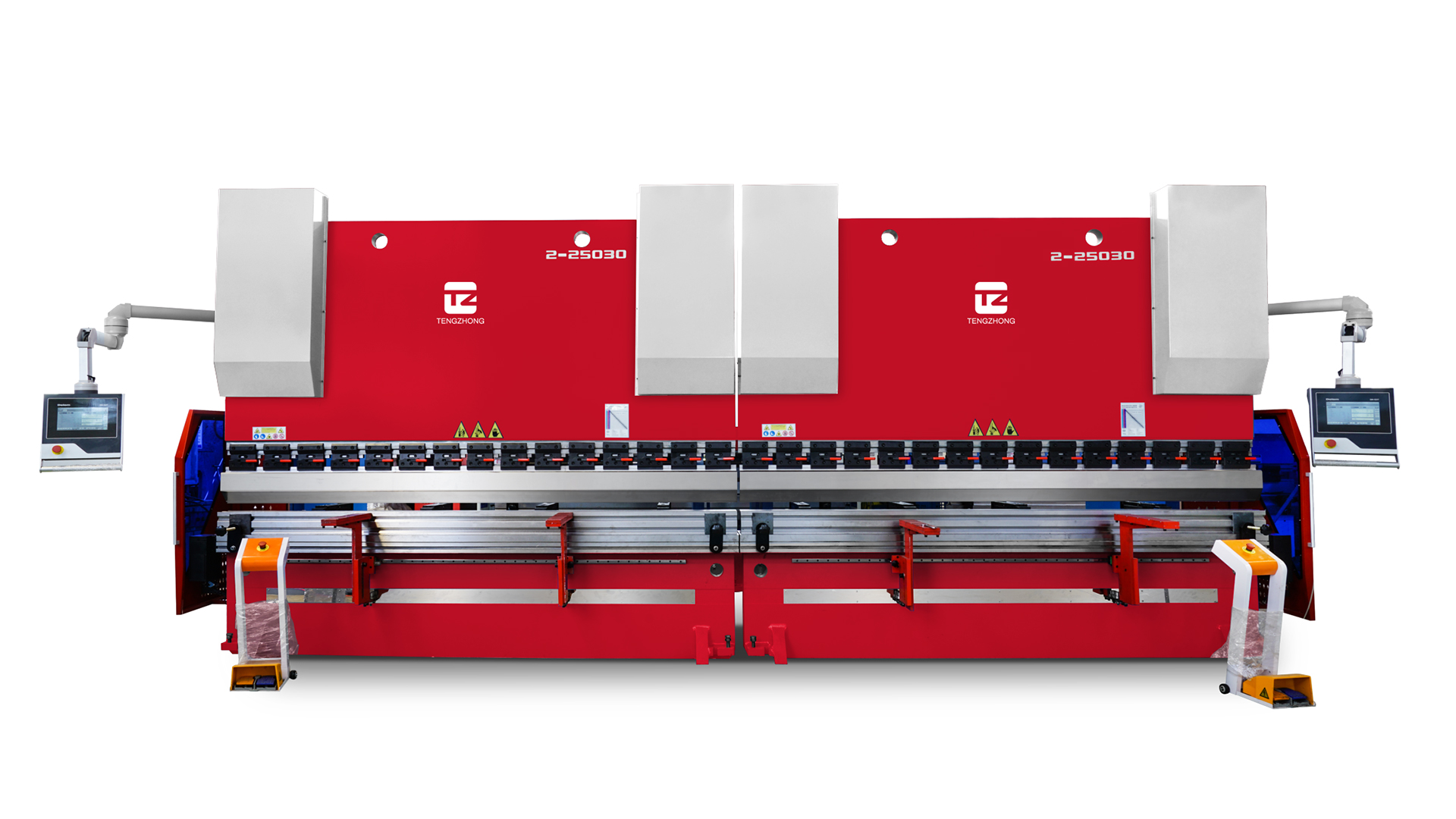
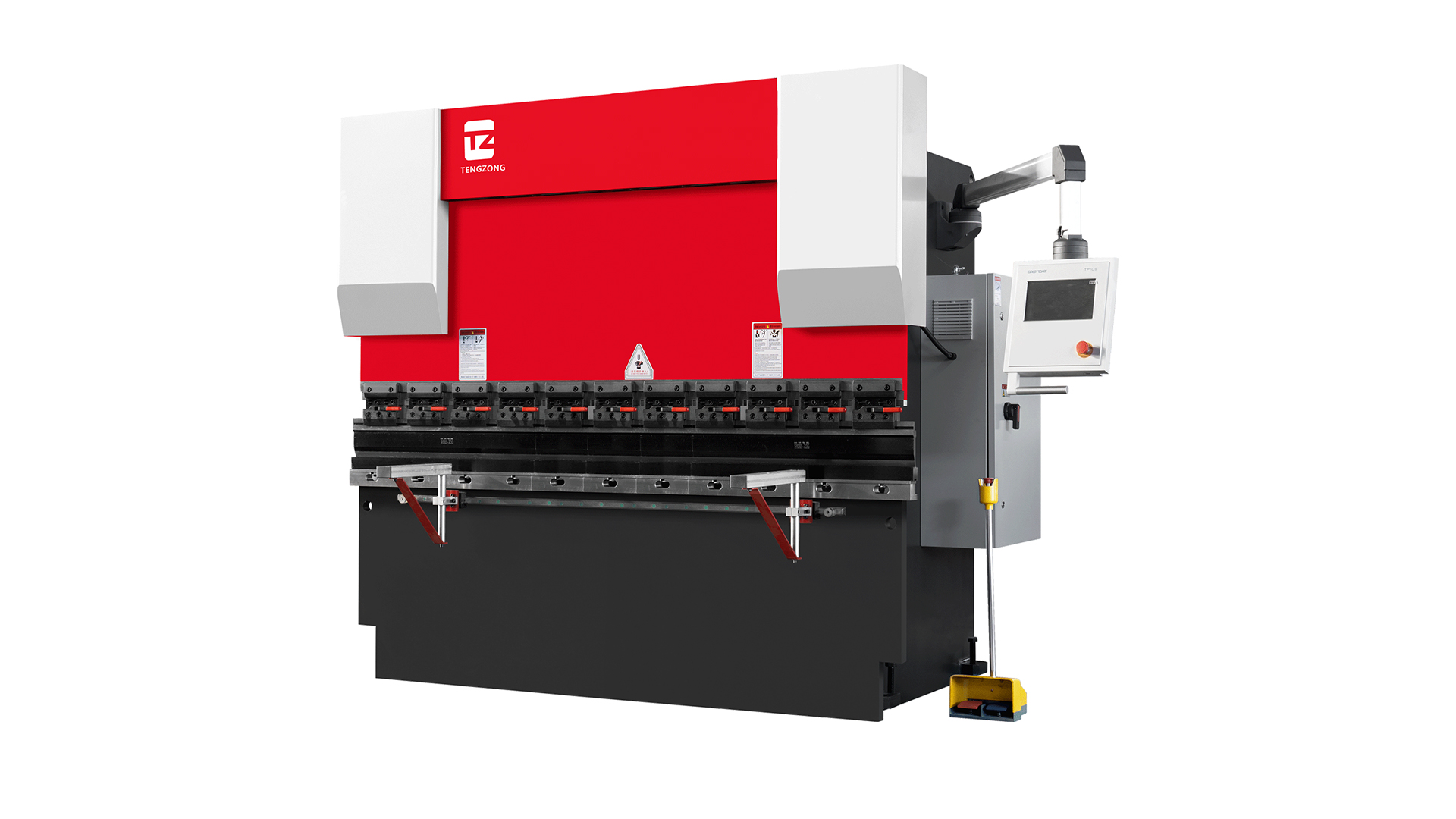
A press brake machine is a piece of industrial equipment used to bend sheet metal and plate material into precise angles and shapes. It works by clamping the workpiece between a matching punch and die, then applying controlled force to form the desired bend. Press brakes are essential in metal fabrication, used across industries including automotive, aerospace, construction, and electronics.
Modern press brakes range from manually operated machines for light-duty tasks to fully automated CNC systems capable of executing complex multi-bend programs with tolerances as tight as ±0.01 mm. Choosing the right machine depends on your material type, thickness, production volume, and required precision.
How Does a Press Brake Work?
The fundamental operation of a press brake involves three components: the ram (upper beam), the punch (upper tool), and the die (lower tool mounted on the bed). The sheet metal is positioned on the die, and the ram drives the punch downward into the die to form the bend.
There are two primary bending methods used:
- Air bending — The punch pushes the material partially into the die. The bend angle is controlled by the depth of punch penetration. This method offers flexibility and requires less tonnage.
- Bottoming (coining) — The material is pressed firmly against the die, producing highly accurate and consistent angles. It requires greater force but delivers superior repeatability.
The back gauge system — a programmable stop that positions the sheet metal accurately before each bend — is a critical factor in achieving consistent results across high-volume production runs.
Types of Press Brake Machines
Press brakes are categorized primarily by their drive system. Each type has distinct advantages depending on the application:
| Type | Drive System | Key Advantage | Best For |
|---|---|---|---|
| Hydraulic | Hydraulic cylinders | High tonnage, robust | Heavy-duty fabrication |
| Electro-hydraulic (CNC) | Servo-driven hydraulics | High precision, programmable | Complex, high-volume parts |
| Electric (All-electric) | Servo motors + ball screws | Energy-efficient, clean | Precision sheet metal shops |
| Mechanical | Flywheel + crankshaft | Fast cycle speed | Simple, repetitive bends |
CNC hydraulic press brakes currently dominate the global market, accounting for over 60% of new installations, due to their balance of power, accuracy, and programmability. All-electric models are gaining ground rapidly as manufacturers prioritize energy savings and reduced maintenance costs.
Key Specifications to Evaluate
When selecting a press brake machine, these are the most critical specifications to match against your production requirements:
Bending Force (Tonnage)
Tonnage determines how thick and how wide a material you can bend. A common rule of thumb for mild steel: bending a 1-meter-wide, 4mm-thick sheet requires approximately 100 tons of force. Always factor in a safety margin of 20–30% to avoid overloading the machine.
Working Length (Bending Length)
This defines the maximum width of sheet metal the machine can accommodate. Standard working lengths range from 1,000 mm to 6,000 mm. For most general fabrication, a 2,500–3,200 mm machine covers the majority of applications.
Back Gauge Configuration
A multi-axis CNC back gauge (typically 4–6 axes) allows precise positioning for complex parts. For high-mix, low-volume production, investing in a 6-axis back gauge significantly reduces setup time and operator error.
CNC Controller
The controller is the brain of a modern press brake. Leading systems such as Delem DA-66T, Cybelec, and ESA allow operators to program bend sequences graphically, simulate the bending process, and store hundreds of part programs. A capable controller directly impacts throughput and scrap reduction.
Press Brake Tooling: Punches and Dies
Tooling is as important as the machine itself. The punch profile and die opening determine the minimum bend radius, achievable angles, and material spring-back compensation. Common tooling systems include:
- European (Trumpf-style) tooling — Widely used for its versatility and fast clamping system.
- American-style tooling — Common in North America, characterized by a 4-way die that can be rotated to offer multiple V-openings.
- Wila (precision) tooling — High-accuracy clamping with built-in safety features, preferred in precision manufacturing environments.
For standard mild steel, the die V-opening is typically 6–10 times the material thickness. Using an incorrect V-opening leads to inaccurate bend angles or surface damage on the workpiece.
How to Choose the Right Press Brake for Your Application
No single machine fits every workshop. Use the following framework to narrow down your selection:
- Define your material range — thickness, width, and material type (mild steel, stainless, aluminum, high-strength steel).
- Calculate required tonnage — use a bending force calculator or consult tooling suppliers to determine the minimum tonnage for your thickest, widest part.
- Assess your production mix — high-volume single-part runs favor automation; high-mix, low-volume work demands flexible CNC programming and quick tooling change systems.
- Evaluate floor space and operator skill — larger machines with advanced CNC systems require more space and trained operators; all-electric machines simplify maintenance.
- Consider total cost of ownership — energy consumption, hydraulic oil maintenance, and tooling wear cost vary significantly by machine type over a 10–15 year lifecycle.
For most job shops, a CNC hydraulic press brake in the 80–160 ton range with a working length of 2,500–3,200 mm represents the most practical and cost-effective starting point. Companies scaling toward lights-out manufacturing should evaluate all-electric models or robotic bending cells built around a press brake core.

-
Phone
+86 131-4173-2687
-
Address
6 Jianghai Road,Libao Town, Haian. Jiangsu Province, China
-
Medla

Copyright o Nantong Tengzhong Machinery Manufacturing Co., Ltd. All Rights Reserved.
