
 English
 русский
 Français
 Español
 Português
 عربى
عربى

-


Model:
-

Model:
-

Model:

4 Roller Rolling Machine: Comprehensive Guide to Selection, Operation & Maintenance
2026-01-09
Content
- 1 What Is a 4 Roller Rolling Machine?
- 2 Core Components and How They Function
- 3 Key Advantages of 4 Roller vs 3 Roller Designs
- 4 Selecting the Right 4 Roller Rolling Machine
- 5 Operating Procedures for Quality Results
- 6 Troubleshooting Common Issues
- 7 Routine Maintenance Practices
- 8 Safety Best Practices
- 9 Conclusion: Maximizing Value from Your 4 Roller Rolling Machine
What Is a 4 Roller Rolling Machine?
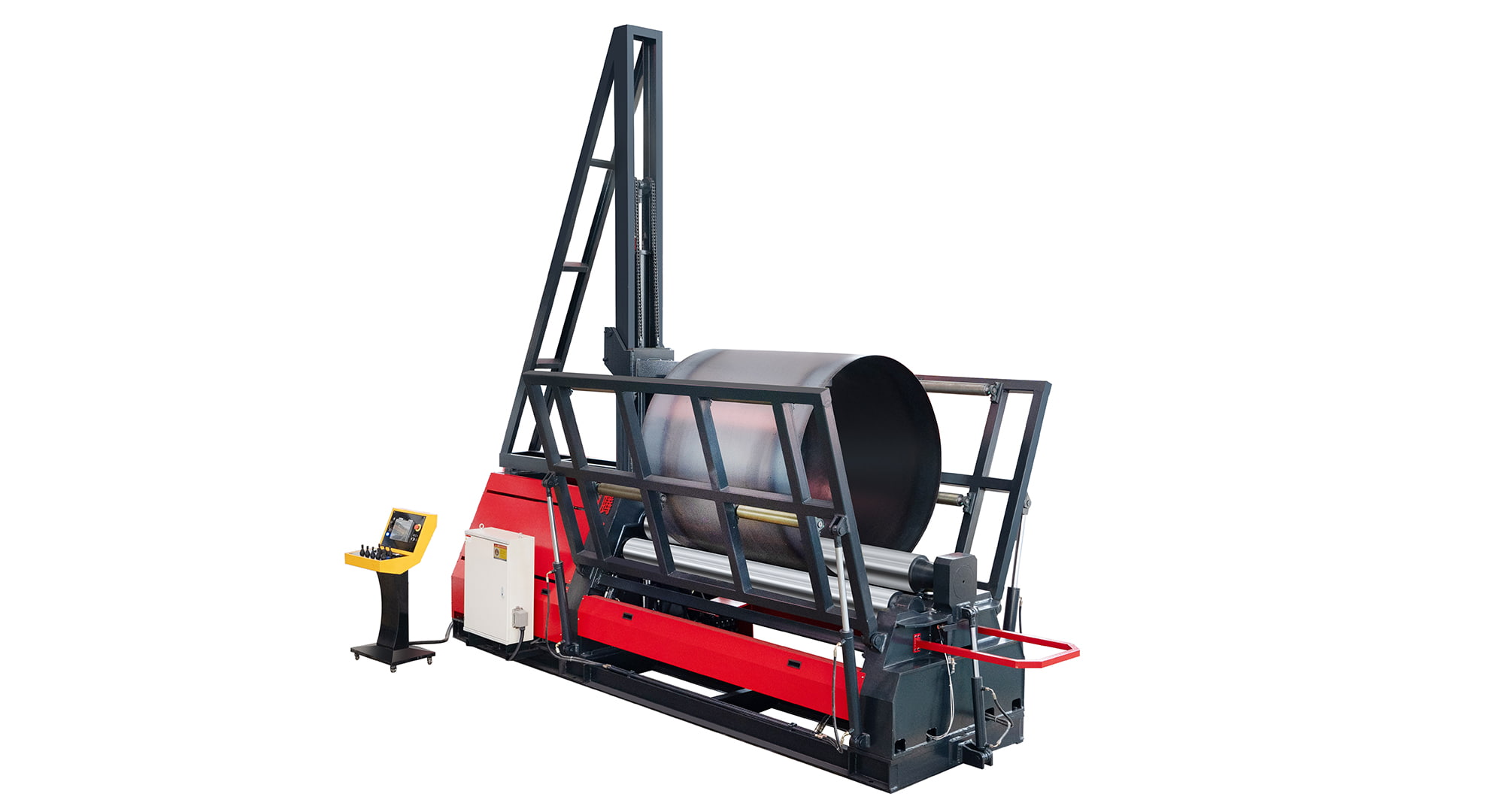
A 4 roller rolling machine — also called a four‑roller plate bending machine — is a precision industrial tool designed for forming cylindrical shapes from flat metal plates. Unlike 3‑roller machines, the fourth roller provides improved support, stability, and accuracy, especially for thick or high‑strength metals. These machines are widely used in pressure vessel fabrication, shipbuilding, storage tank manufacturing, and automotive applications.
Core Components and How They Function
Understanding the components of a 4 roller roll bender helps operators optimize performance and troubleshoot issues. Each part serves a specific mechanical or control purpose.
Rolls and Drive System
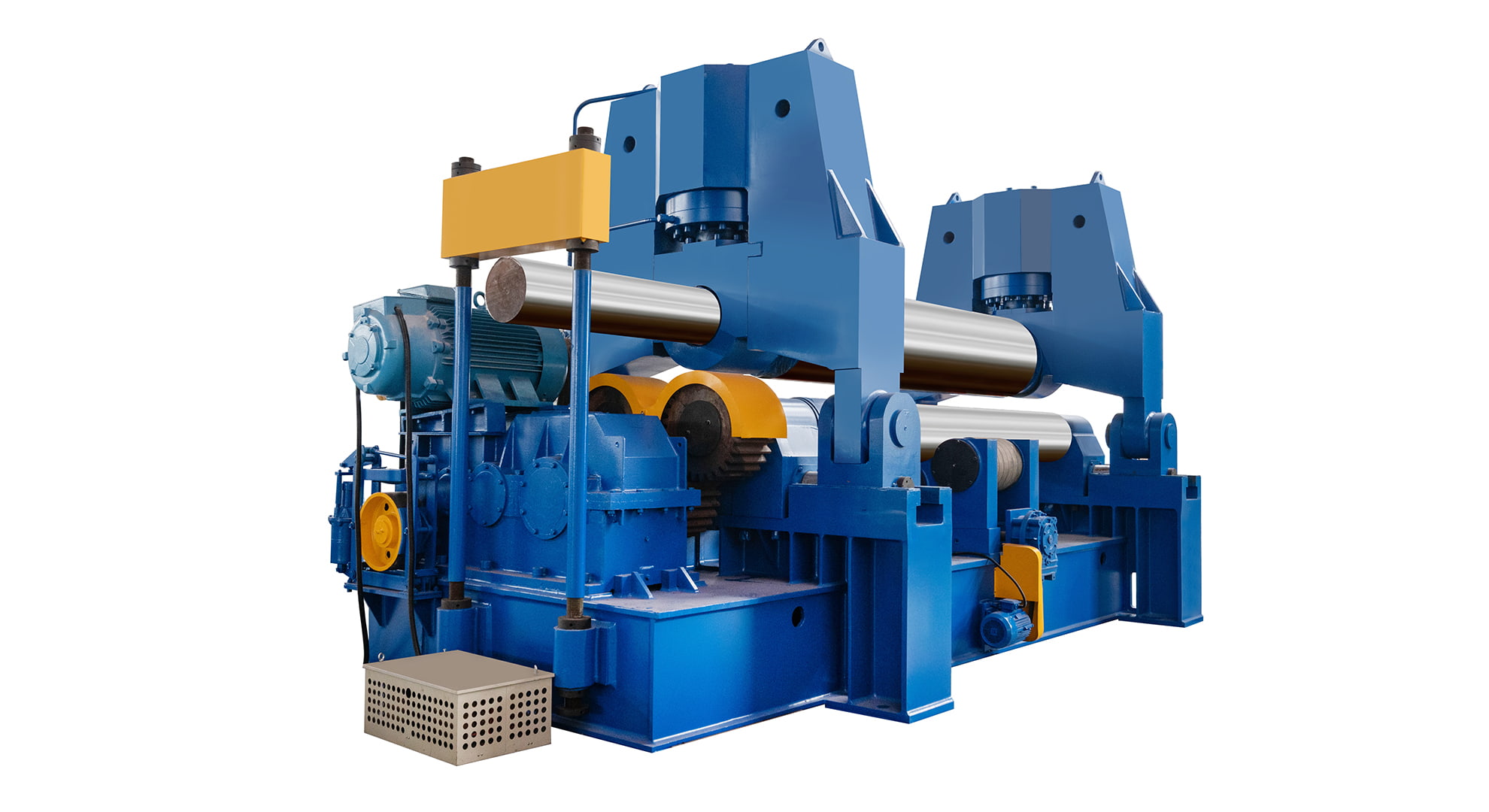
The machine has four main rolls: the top roll, bottom roll, and two side rolls. The drive system typically uses a synchronized motor and gearbox configuration to ensure even torque distribution. The top and bottom rolls rotate to pull material through, while side rolls apply adjustable pressure to induce curvature.
Frame and Structure
The structural frame must withstand high compressive forces without distortion. High‑rigidity welded steel frames minimize deflection during rolling. Precision machining of roll seats and bearings ensures consistent gaps and long component life.
Control Panel and Sensors
Modern machines include digital control panels with programmable parameters for roll speed, direction, and pressure. Sensors feed back roll position and torque data to improve repeatability. Some models include PLC or touchscreen HMI for automated sequence control.
Key Advantages of 4 Roller vs 3 Roller Designs
While both 3 and 4 roller machines are used for bending plates, the 4 roller rolling machine offers specific benefits that can be critical in industrial environments.
- Superior Plate Support — The additional roller reduces sagging and enhances control when forming large or heavy plates.
- Improved Accuracy — Independent adjustment of side rolls enables precise control over forming radius and springback compensation.
- Reduced Material Stress — Balanced pressure distribution lowers residual stress and helps prevent workpiece distortion.
- Higher Productivity — Faster forming cycles with fewer passes for thicker materials.
Selecting the Right 4 Roller Rolling Machine
Choosing the correct model requires a clear understanding of the material types, thickness ranges, and production volume. The following checklist helps buyers define requirements before procurement.
Material Characteristics
Specify the type of alloy (e.g., carbon steel, stainless steel, aluminum) and typical thickness range. High‑strength materials may require stronger drive systems or hardened rolls to prevent wear.
Rolling Capacity and Dimensions
Capacity is usually defined by maximum plate thickness and width the machine can handle. Be sure to confirm these specs match your largest and smallest parts. Consider over‑capacity for future growth to avoid under‑sized equipment.
Control and Automation Features
Decide whether a manual, semi‑automatic, or fully automatic control system is appropriate. Automated systems can increase consistency and reduce operator error, especially in high‑volume environments.
Operating Procedures for Quality Results
Efficient operation of a 4 roller rolling machine isn’t just “power on.” Following a standardized procedure ensures consistent outcomes and longer machine life.
Pre‑Operation Checks
Before rolling, verify all guards are in place, lubrication levels are correct, and rollers are free of debris. Confirm that the plate edges are clean and free of burrs, which can damage rolls or cause uneven bending.
Setting Parameters
Adjust the side rolls based on material thickness and desired bend radius. The general rule is to start with a wider gap and progressively tighten pressure to avoid over‑bending. Use the control panel to set roll speed and direction according to material properties.
Feeding and Bending
Feed the plate straight and centered between the rolls to prevent twisting. Apply incremental pressure to the side rolls while the top and bottom rolls pull the plate. For consistent results, feed slowly on thicker or high‑yield materials.
Troubleshooting Common Issues
Even experienced operators encounter issues. Identifying symptoms and root causes speeds correction and keeps production on schedule.
| Issue | Symptoms | Probable Cause | Solution |
| Uneven Bend | One side curved more | Side rolls misaligned | Re‑calibrate side roll positions |
| Surface Marks | Visible scratches | Dirty rolls or debris | Clean rolls and check debris guards |
| Plate Slippage | Plate not feeding | Insufficient roll pressure | Increase side roll pressure gradually |
Routine Maintenance Practices
Routine maintenance extends the life of a 4 roller roll bender and minimizes downtime. Establish a maintenance schedule based on usage frequency and material abrasiveness.
- Daily lubrication of bearings and guide surfaces to prevent wear.
- Weekly inspection of belts, chains, and gearboxes for signs of fatigue.
- Monthly calibration of roll positions and checking sensor accuracy.
- Immediate replacement of worn or damaged rollers to maintain surface quality.
Safety Best Practices
Safety is non‑negotiable with heavy machinery. The following practices protect operators and reduce liability.
- Always engage emergency stops before performing adjustments.
- Use appropriate PPE, including gloves and safety glasses, when handling plates.
- Ensure guards and barriers are in place before machine start‑up.
- Train operators on proper roll adjustment and feeding techniques.
Conclusion: Maximizing Value from Your 4 Roller Rolling Machine
A 4 roller rolling machine is a critical investment for precision metal forming. By selecting the right model, following structured operating procedures, performing preventive maintenance, and adhering to safety protocols, manufacturers can achieve consistent quality, reduce production costs, and improve throughput. This guide provides practical guidance that bridges theory with real‑world application.

-
Phone
+86 131-4173-2687
-
Address
6 Jianghai Road,Libao Town, Haian. Jiangsu Province, China
-
Medla

Copyright o Nantong Tengzhong Machinery Manufacturing Co., Ltd. All Rights Reserved.
