
 English
 русский
 Français
 Español
 Português
 عربى
عربى

-


Model:
-

Model:
-

Model:

Comprehensive Guide to Shearing Machines: Types, Applications, and Maintenance
2026-01-04
Content
Understanding Shearing Machines and Their Importance in Metalworking
A shearing machine is a critical tool in the metalworking industry used to cut sheet metal or plates into desired sizes. Unlike other cutting methods, shearing provides a clean, straight cut without producing chips or sparks, making it ideal for precise industrial applications. It is widely used in automotive manufacturing, construction, shipbuilding, and metal fabrication workshops.
Modern shearing machines are designed for efficiency and accuracy, capable of cutting large sheets of metal quickly. They reduce labor-intensive processes, minimize material waste, and improve overall production workflow. Understanding the types, operational principles, and maintenance requirements is essential for maximizing their performance.
Types of Shearing Machines
Shearing machines come in multiple types, each designed for specific tasks and material thickness. The most common categories include mechanical, hydraulic, and pneumatic shears.
Mechanical Shearing Machines
Mechanical shearing machines operate using a flywheel-driven crank mechanism. When the handle or motor is engaged, the upper blade descends to cut the material against a fixed lower blade. These machines are known for their speed and durability, making them suitable for high-volume operations with thin to medium sheet metal.
- Cost-effective for small workshops
- High cutting speed for thin sheets
- Requires regular lubrication of mechanical parts
- Limited cutting thickness compared to hydraulic models
Hydraulic Shearing Machines
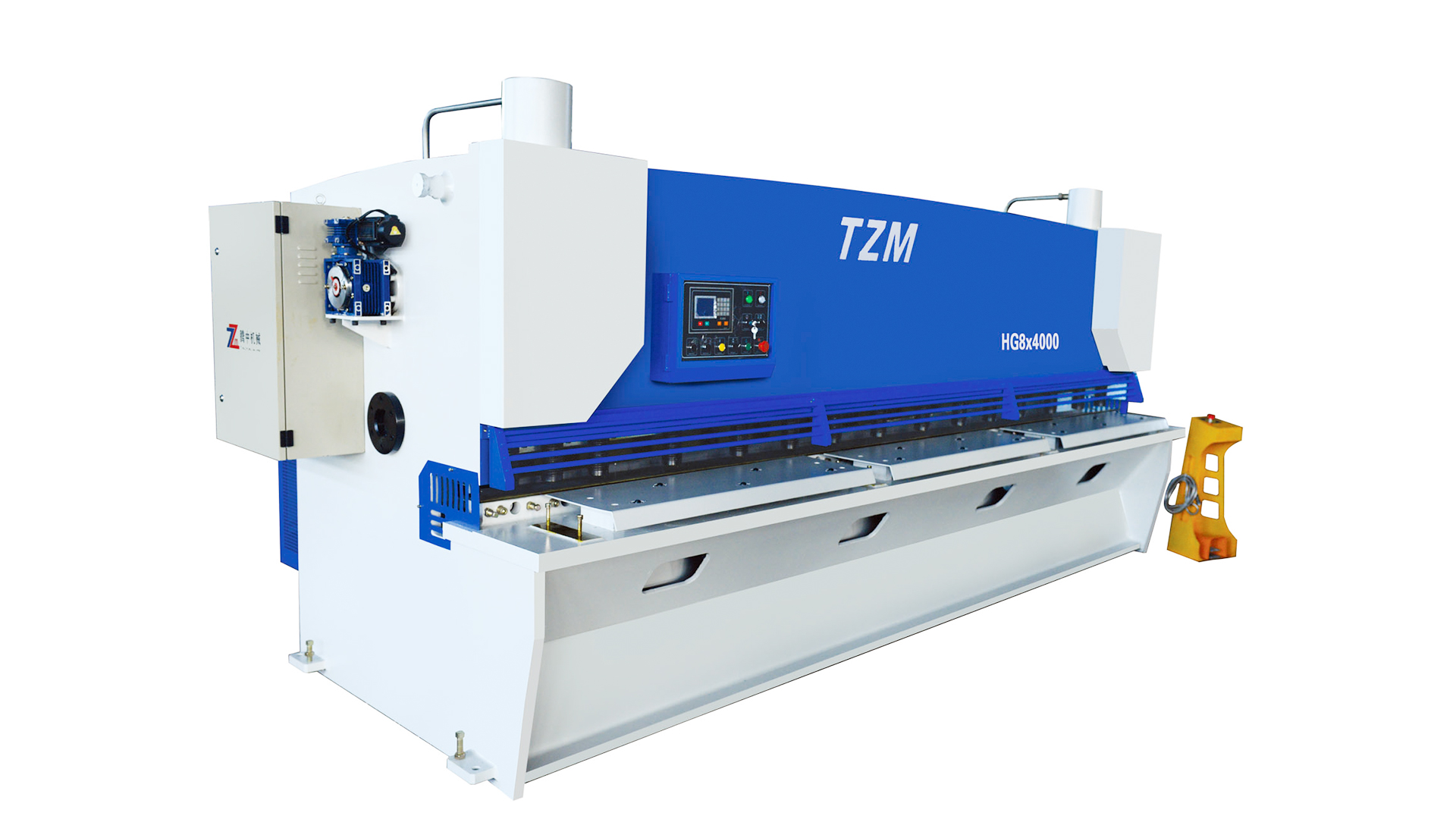
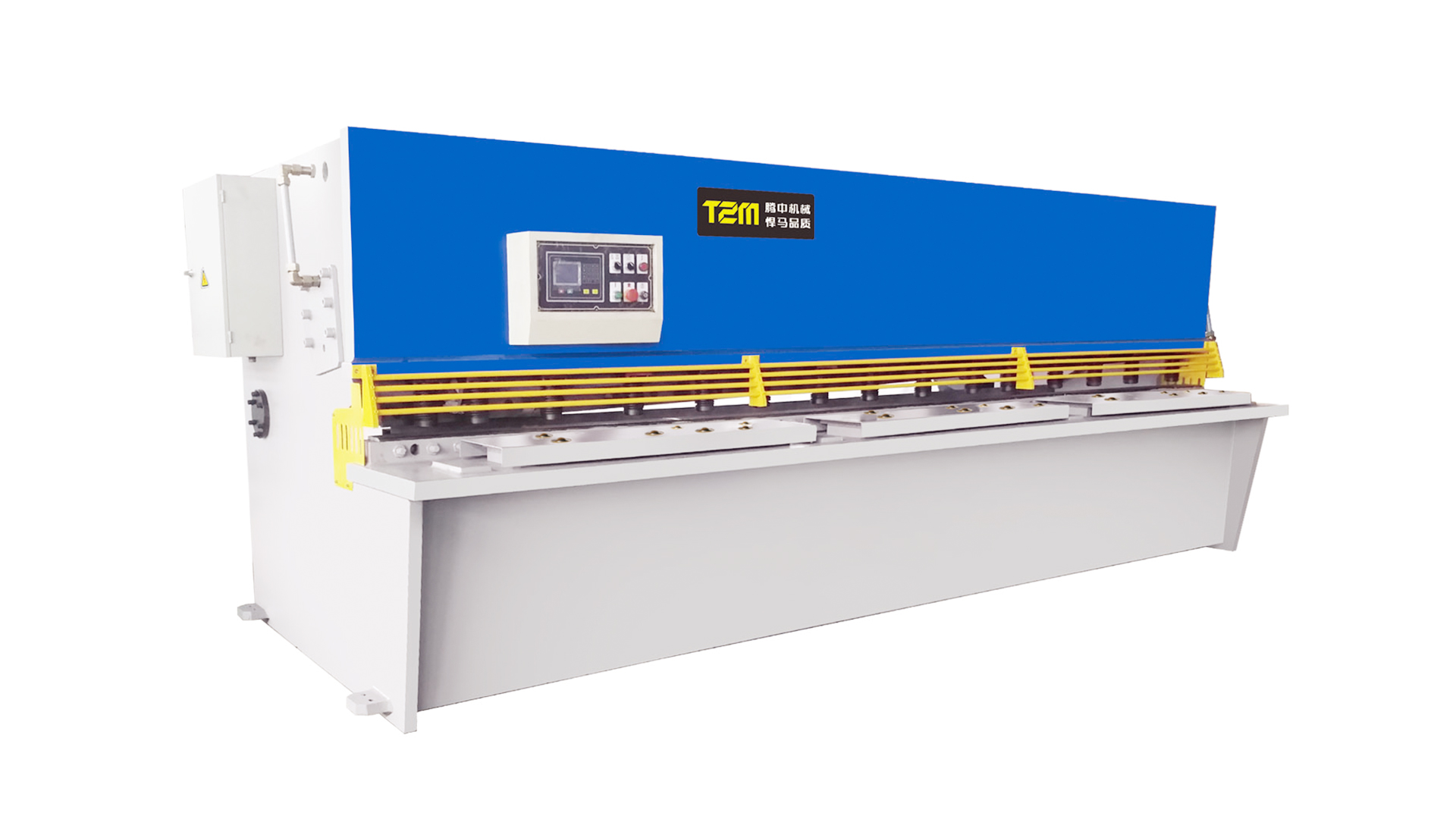
Hydraulic shears use fluid pressure to operate the cutting blade, allowing for precise control and the ability to cut thicker materials. These machines are common in industrial settings where heavy-duty sheet metal processing is required.
- Can cut thicker metal sheets with minimal effort
- Adjustable stroke length for different materials
- Requires routine maintenance of hydraulic systems
- Slower cutting speed than mechanical shears for thin sheets
Pneumatic Shearing Machines
Pneumatic shears are powered by compressed air, providing a balance between mechanical and hydraulic shears. They are ideal for medium-thickness metal sheets and offer precise control for detailed cutting work.
- Efficient for medium-duty cutting tasks
- Safer for operators due to lower mechanical force
- Requires compressed air source for operation
- Portable models are available for on-site work
Applications of Shearing Machines
Shearing machines are used wherever precise cutting of sheet metal is required. Their applications span multiple industries, ranging from automotive to construction.
Metal Fabrication Workshops
In metal fabrication shops, shearing machines are essential for cutting sheets to size before bending, punching, or welding. Accurate cutting ensures minimal waste and reduces downstream errors.
Automotive Manufacturing
Automobile components often require precise metal panels for bodywork. Shearing machines allow manufacturers to produce large volumes of consistent parts efficiently, maintaining quality standards.
Construction and Shipbuilding
Structural steel plates for buildings, bridges, and ships are often cut using heavy-duty hydraulic shearing machines. The ability to handle thick steel sheets safely is crucial for large-scale projects.
Key Operational Tips for Shearing Machines
Proper operation of shearing machines ensures accurate cuts and prolongs machine life. Here are some essential tips:
- Always verify material thickness against machine capacity.
- Keep blades sharp and aligned to avoid uneven cuts.
- Lubricate moving parts regularly to prevent wear.
- Use safety guards and follow protective protocols.
- Calibrate stroke length and blade clearance based on material type.
Maintenance Practices to Extend Machine Life
Routine maintenance is critical for the longevity and performance of shearing machines. Both hydraulic and mechanical models benefit from regular checks and adjustments.
Blade Care and Replacement
Blades are the core of any shearing machine. Dull blades increase cutting force, reduce precision, and can damage the material. Inspect blades weekly and replace or sharpen them as needed.
Lubrication and Hydraulic Fluid
Mechanical machines require consistent lubrication of joints and moving parts. Hydraulic machines need regular checks of fluid levels and filter replacements to maintain smooth operation.
Alignment and Calibration
Incorrect alignment can cause uneven cuts and excessive wear. Regularly check blade clearance and machine calibration to ensure precise cutting performance.
Comparing Shearing Machines for Different Needs
Choosing the right shearing machine depends on the material thickness, production volume, and precision required. The table below compares the main types:
| Type | Material Thickness | Speed | Maintenance | Best Use |
| Mechanical Shear | Thin to medium | High | Moderate | Small workshops, high-speed thin sheet cutting |
| Hydraulic Shear | Medium to thick | Moderate | Regular hydraulic checks | Heavy-duty industrial use |
| Pneumatic Shear | Medium | Moderate | Compressed air system maintenance | Medium-duty, portable applications |
Conclusion
Shearing machines are indispensable tools for modern metalworking. Understanding the types, applications, and maintenance requirements ensures efficient production, precise cuts, and prolonged machine life. By following proper operational practices, selecting the appropriate machine type, and maintaining blades and hydraulic systems, manufacturers and workshops can optimize performance and reduce operational costs.

-
Phone
+86 131-4173-2687
-
Address
6 Jianghai Road,Libao Town, Haian. Jiangsu Province, China
-
Medla

Copyright o Nantong Tengzhong Machinery Manufacturing Co., Ltd. All Rights Reserved.
