
 English
 русский
 Français
 Español
 Português
 عربى
عربى

-


Model:
-

Model:
-

Model:

Maximizing Efficiency and Precision with Press Brake Machines: Practical Guide
2026-01-16
Content
Understanding Press Brake Machines
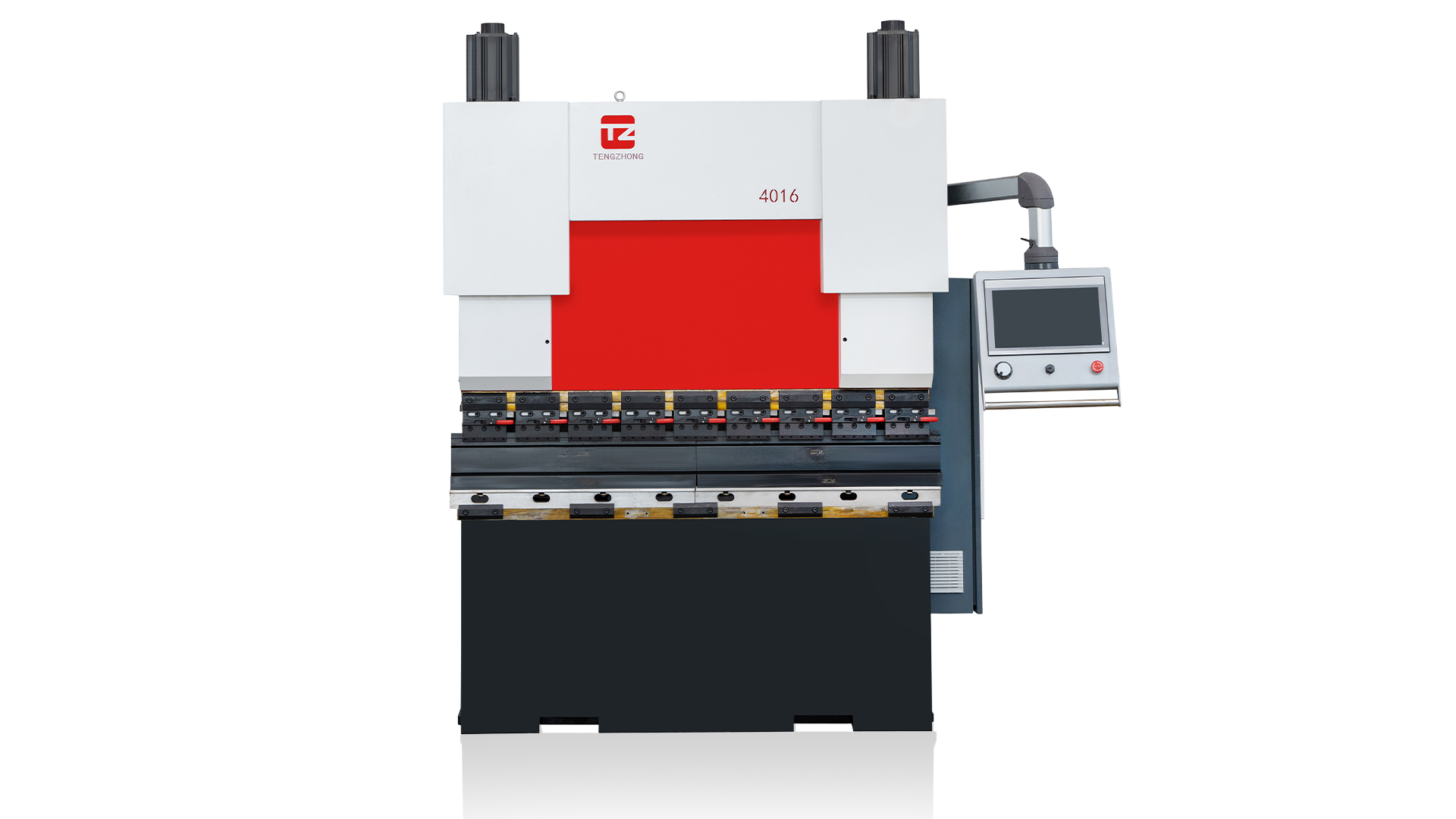
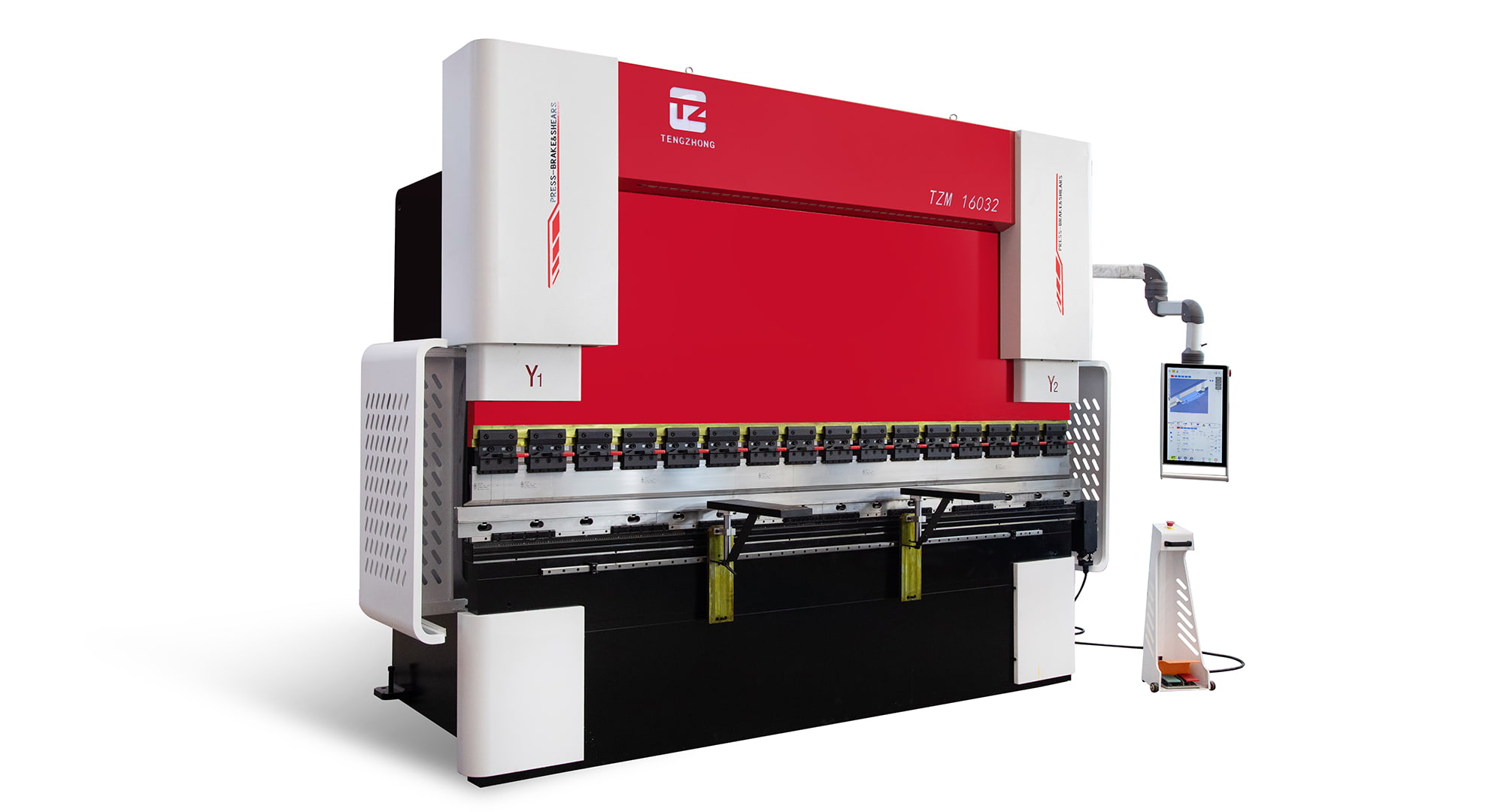
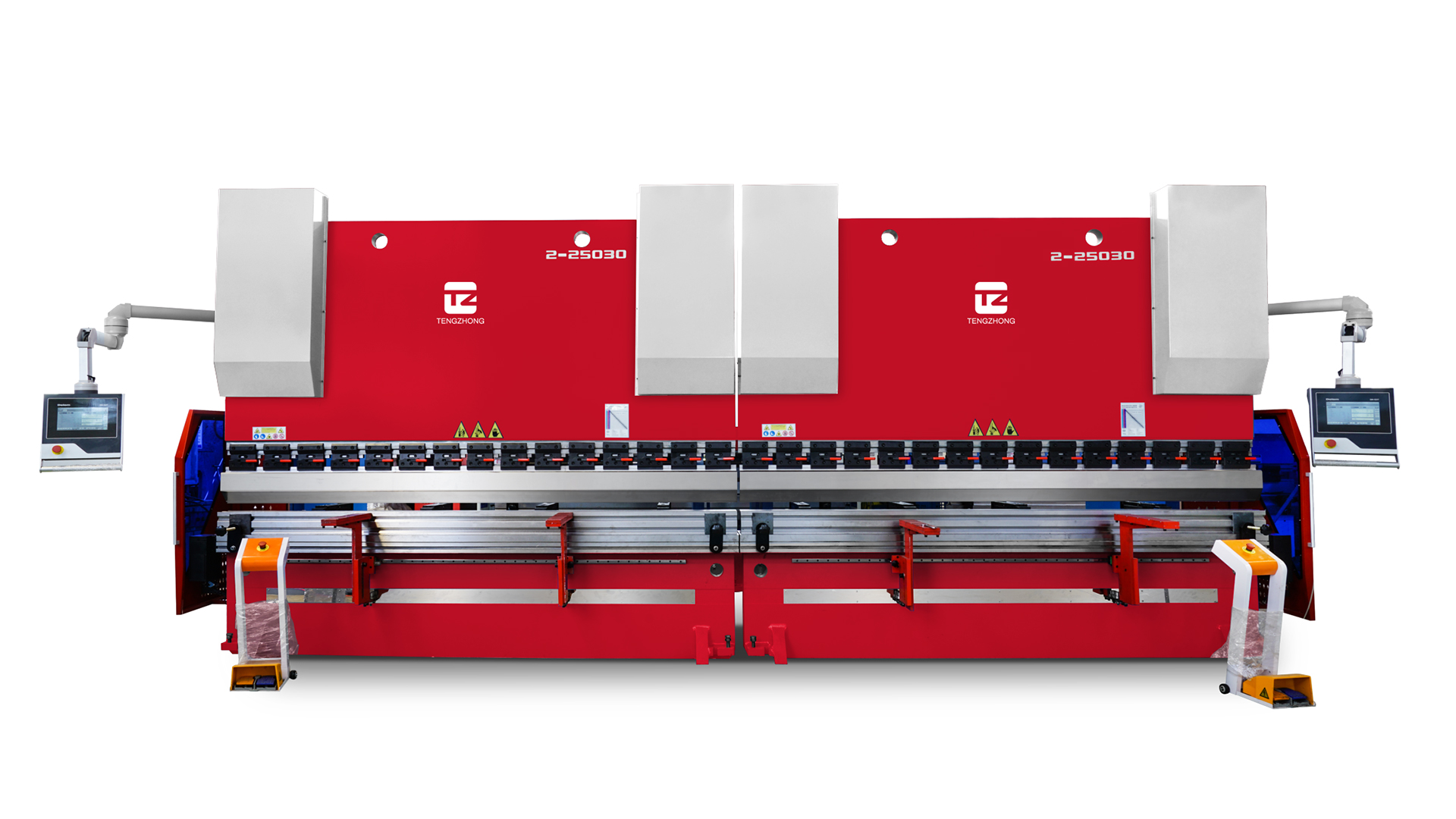
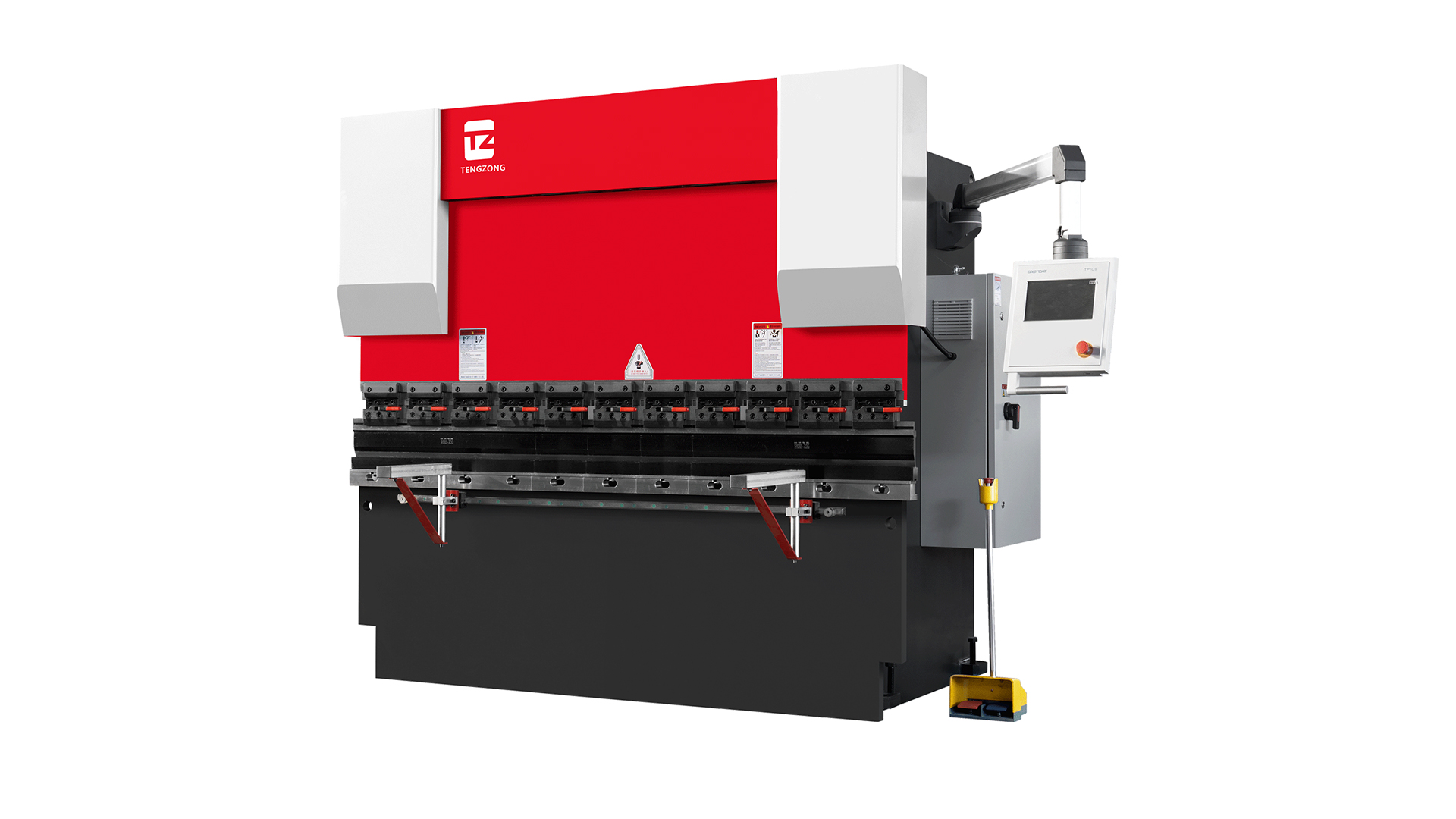
A press brake machine is an essential tool in sheet metal fabrication, allowing precise bending of metal sheets into desired angles and shapes. Modern press brakes can range from manual to fully automated CNC systems. Understanding the capabilities and limitations of your machine ensures higher precision and fewer errors during production.
Key components include the ram, bed, back gauge, and tooling. The ram applies pressure to the metal sheet while the tooling shapes it. The back gauge controls the position of the sheet for consistent bends, which is particularly critical for complex parts requiring multiple bends.
Selecting the Right Press Brake for Your Operation
Choosing the correct press brake machine depends on the thickness and type of metal, production volume, and required bending precision. CNC press brakes are ideal for high-volume and complex bending, while manual press brakes are better for low-volume or simple operations.
Consider the tonnage rating carefully. The machine must have enough force to bend the thickest metal you plan to work with, but excessive tonnage can lead to higher costs and energy consumption. Tooling compatibility is another critical factor, as some machines require proprietary dies.
Tooling and Die Selection
The choice of tooling significantly affects the accuracy and quality of bends. Common dies include V-dies, punch and die sets, and custom profiles for specialty parts. The width of the V-die opening is typically calculated based on the metal thickness to achieve the desired bend radius.
- For mild steel, the V-die width is usually 8-12 times the sheet thickness.
- For stainless steel, consider a wider V-die to reduce the risk of cracking.
- Aluminum sheets require careful die selection to prevent marking or scratching.
Regular inspection and replacement of worn tooling ensures consistent quality and prevents damage to both the machine and metal sheets.
Press Brake Operation Techniques
Positioning and Alignment
Correct sheet alignment using the back gauge is crucial for precise bends. Even slight misalignment can cause parts to be out of tolerance. Operators should measure and adjust the back gauge position before each bend, especially when producing multiple parts.
Bending Sequence and Springback Compensation
Understanding metal springback is vital. Springback occurs when the metal tries to return to its original shape after bending. To compensate, slightly over-bend the metal based on its material properties. Sequencing bends properly can prevent collisions and ensure consistent angles on multi-bend parts.
Maintenance Tips for Press Brake Machines
Regular maintenance increases the lifespan and accuracy of press brakes. Essential tasks include:
- Lubricating moving parts such as ram guides, back gauges, and bearings.
- Inspecting hydraulic fluid levels and replacing filters periodically.
- Checking electrical connections and ensuring sensors function correctly.
- Cleaning dies and tools after use to prevent buildup and corrosion.
Implementing a maintenance schedule can reduce downtime, prevent costly repairs, and maintain consistent bending quality.
Safety Measures and Best Practices
Press brake machines are powerful and potentially dangerous. Adhering to safety measures protects operators and prevents equipment damage. Key practices include:
- Wearing personal protective equipment (PPE) such as gloves and safety glasses.
- Ensuring proper machine guarding and emergency stop buttons are functional.
- Never placing hands near the die while the ram is moving.
- Training operators on correct setup, alignment, and emergency procedures.
Optimizing Production Efficiency
Maximizing output while maintaining quality requires both machine knowledge and workflow planning. Strategies include:
- Grouping similar parts to reduce die changes and back gauge adjustments.
- Using CNC programming for repeatable, complex bending operations.
- Monitoring cycle times and adjusting ram speed to match material requirements.
- Regularly training staff on best practices and new tooling techniques.
Comparing Press Brake Types
Different press brake types offer specific advantages depending on production needs. Below is a comparison table highlighting key features:
| Type | Control | Best Use | Pros | Cons |
| Manual Press Brake | Manual | Low volume, simple bends | Lower cost, simple operation | Slower, less precise |
| Hydraulic Press Brake | Hydraulic | Medium to high volume | Strong force, versatile | Higher maintenance |
| CNC Press Brake | Computer-controlled | High-volume, complex parts | Precision, repeatability | Expensive, requires training |

-
Phone
+86 131-4173-2687
-
Address
6 Jianghai Road,Libao Town, Haian. Jiangsu Province, China
-
Medla

Copyright o Nantong Tengzhong Machinery Manufacturing Co., Ltd. All Rights Reserved.
