
 English
 русский
 Français
 Español
 Português
 عربى
عربى

-


Model:
-

Model:
-

Model:

10 Gauge to Inches: Steel, Stainless, Aluminum Thickness Conversion Chart
2026-09-04
Content
Ten gauge carbon steel sheet measures 0.1345 inches (3.42 mm). The same gauge number, however, describes 0.1406 inches (3.57 mm) in stainless steel, 0.1382 inches (3.51 mm) in galvanized steel, and just 0.1019 inches (2.59 mm) in aluminum. There is no single answer to the question "how many inches is 10 gauge" until the material is named.
That distinction has real consequences in a fabrication shop. Machine capacities for shearing, bending, and grooving are rated in inches or millimeters of a defined material strength, never in gauge numbers. A buyer who specs "10 gauge" without a decimal thickness risks comparing a stainless sheet against a machine sized for aluminum. The conversions below, and the machine implications that follow, remove that risk.
Why One Gauge Number Produces Different Thicknesses
Gauge is a numbering convention, not a unit of measure. The scale dates back to practices such as describing sheet by its weight per square foot and by the number of passes a bar took through a rolling mill. More passes produced a thinner sheet and a higher number, which is why 8 gauge steel is thicker than 10 gauge, and 12 gauge is thinner. The numbers run backwards relative to thickness, and each material family kept its own historical standard:
- Carbon steel sheet in North America follows the Manufacturers' Standard Gauge, a weight-based system in which one-inch steel weighs 41.82 pounds per square foot. On this scale, 10 gauge equals 0.1345 inch.
- Stainless steel follows the U.S. Standard Gauge, codified in 15 U.S. Code § 206, which lists 10 gauge as 9/64 inch, or 0.140625 inch.
- Galvanized steel is gauged by weight including the zinc coating, so the base thickness that earns a 10 gauge stamp comes out slightly lower, at 0.1382 inch.
- Aluminum, brass, and copper follow the Brown & Sharpe scale, the same progression used for electrical wire. There, 10 gauge is 0.1019 inch.
| Material | Gauge standard | Thickness (inches) | Thickness (mm) |
|---|---|---|---|
| Carbon steel sheet | Manufacturers' Standard | 0.1345 | 3.42 |
| Stainless steel | U.S. Standard | 0.1406 | 3.57 |
| Galvanized steel | Manufacturers' Standard, coating weight included | 0.1382 | 3.51 |
| Aluminum | Brown & Sharpe | 0.1019 | 2.59 |
| Brass and copper | Brown & Sharpe | 0.1019 | 2.59 |
None of these figures is a rounding difference. They are separate systems that happen to share numbering, which is why every serious conversion chart carries a material column. When an overseas supplier quotes thickness in millimeters and a drawing calls out gauge, the conversion has to name both the material and the standard before the numbers can be compared.
10 Gauge Against Neighboring Gauges
| Gauge | Thickness (inches) | Thickness (mm) |
|---|---|---|
| 8 | 0.1644 | 4.18 |
| 9 | 0.1494 | 3.79 |
| 10 | 0.1345 | 3.42 |
| 11 | 0.1196 | 3.04 |
| 12 | 0.1046 | 2.66 |
| 14 | 0.0747 | 1.90 |
Each step on the chart moves thickness by roughly 10 to 12 percent, and forming force does not scale linearly. Bending force rises with the square of the thickness, so the move from 12 gauge (0.1046 inch) to 10 gauge (0.1345 inch) raises required tonnage by about 65 percent. That single relationship explains why a press brake sized for 12 gauge frames can struggle on 10 gauge work, and why buyers double-check the thickest gauge in their product mix before ordering a machine.
What 0.1345 Inches Means at the Machine
Converted values only matter once they turn into machine settings. A 4 by 8 foot sheet of 10 gauge carbon steel weighs about 180 pounds, so handling and feeding deserve as much attention as cutting force. The three operations below show how the same decimal thickness drives setup decisions.
Shearing 10 Gauge Sheet
Shearing machines are rated by maximum thickness of mild steel, so a machine rated for 6 mm clears 10 gauge carbon steel with margin. Ten gauge stainless, at 3.57 mm, consumes more of the rating because stainless is harder, and builders often rate stainless capacity at roughly two-thirds of the mild steel figure. Blade clearance is set as a percentage of thickness; for mild steel that means a total clearance of roughly 0.011 to 0.016 inch at 10 gauge. Getting this wrong shows up immediately as burrs, camber, or accelerated blade wear, so it is worth reviewing the procedure for adjusting blade clearance on a shearing machine before the first cut.
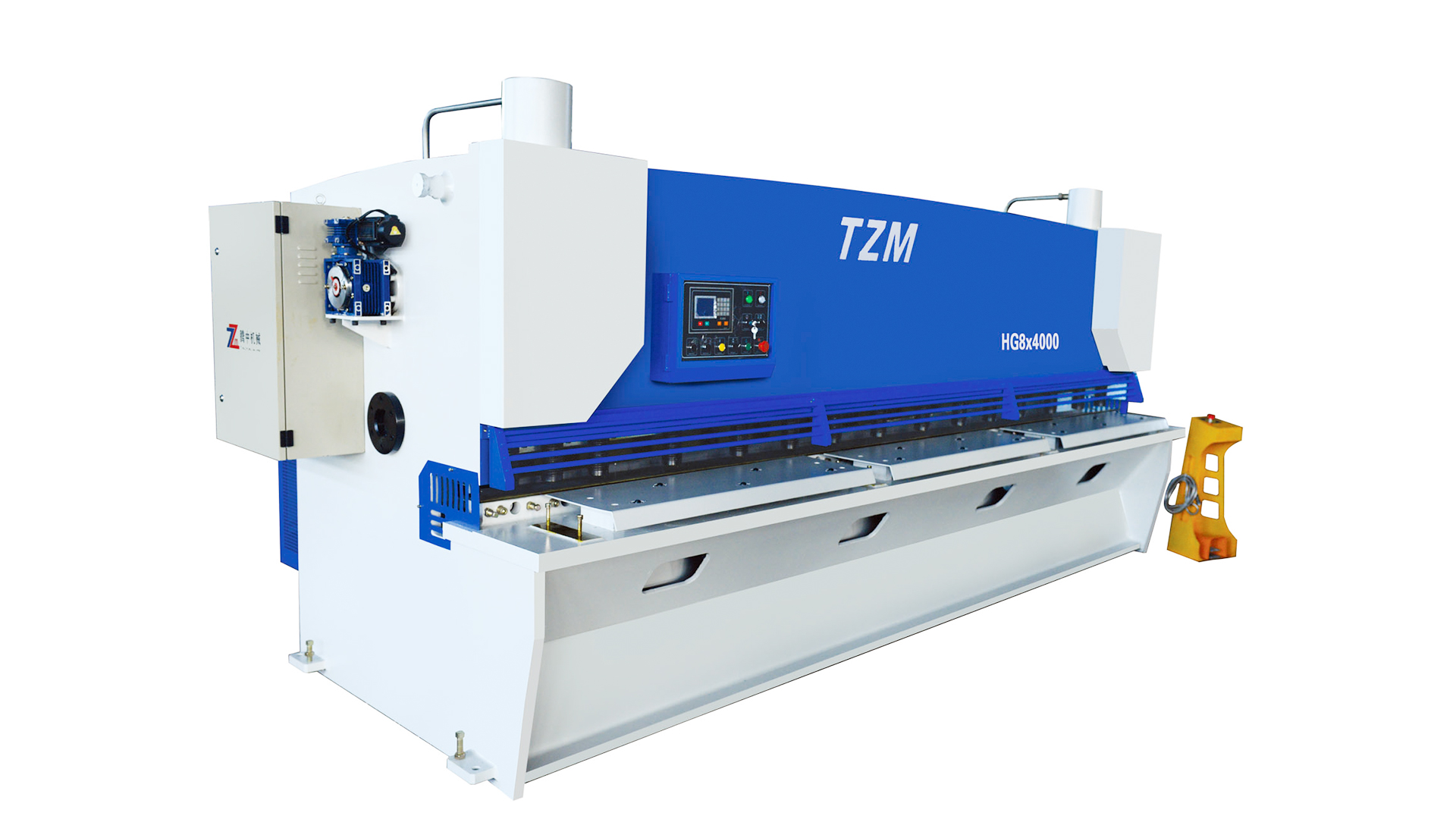
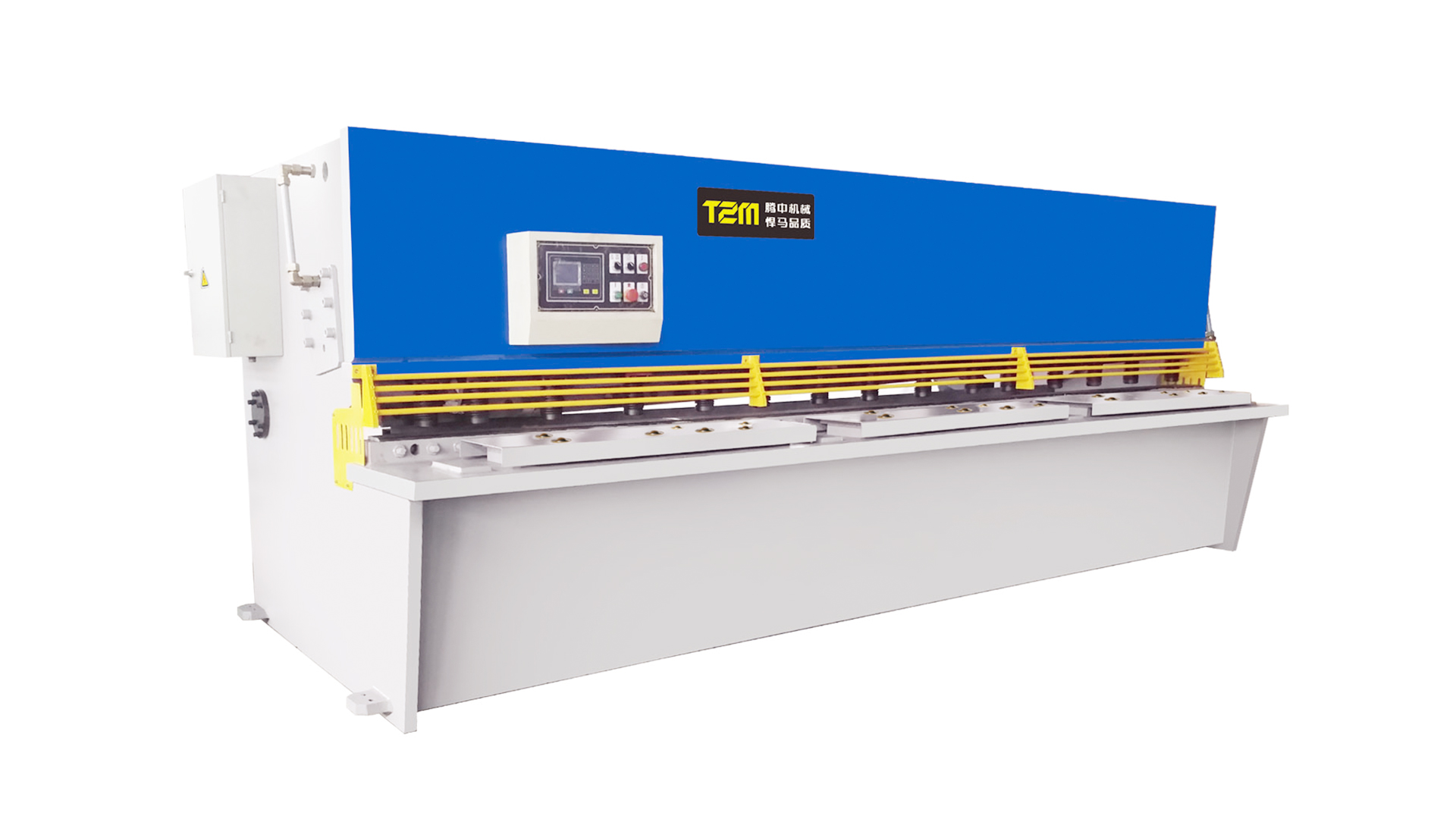
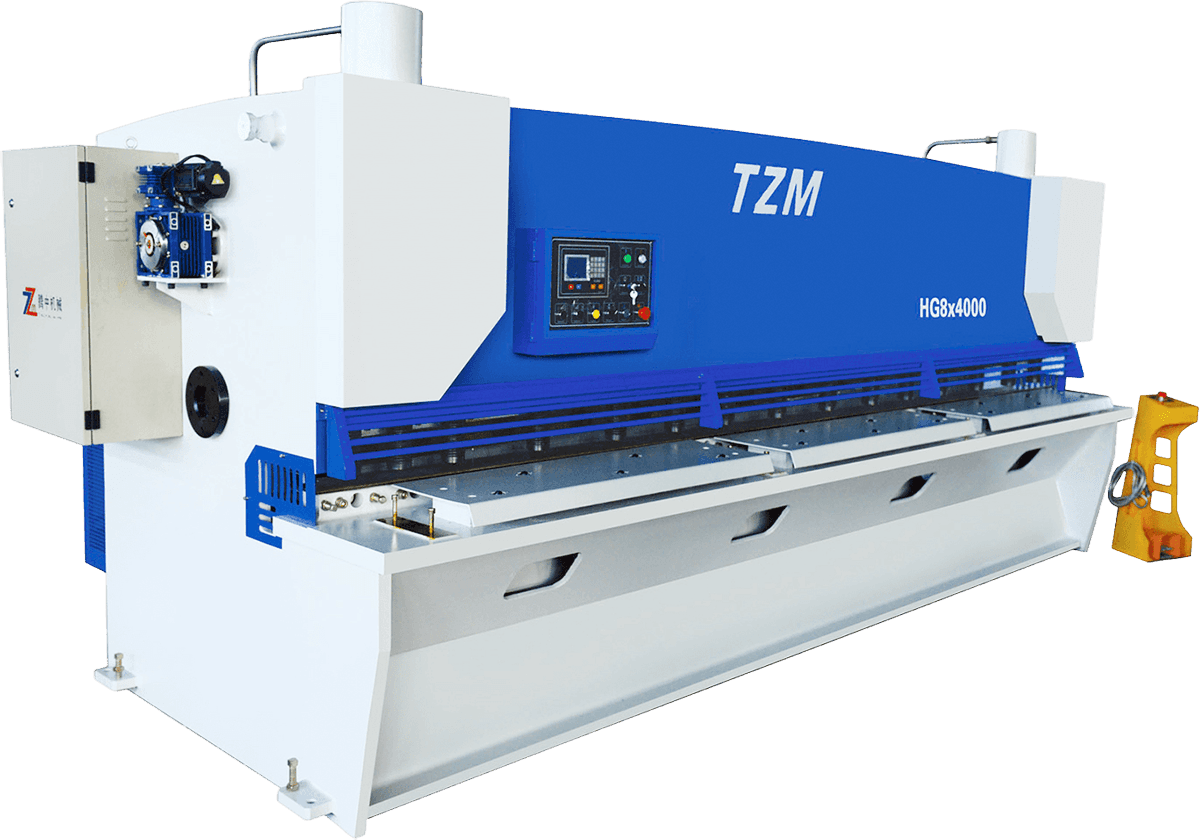 CNC Hydraulic Guillotine Shearing Machine for Sheet CuttingRated by mild steel thickness, a hydraulic guillotine shearing machine sized for 10 gauge carbon steel needs proper blade clearance to avoid burrs and camber. This CNC model offers the Estun E21 system, high-precision back gauge, and accurate control of cutting length and angle.View Product →
Bending Force and Die Selection
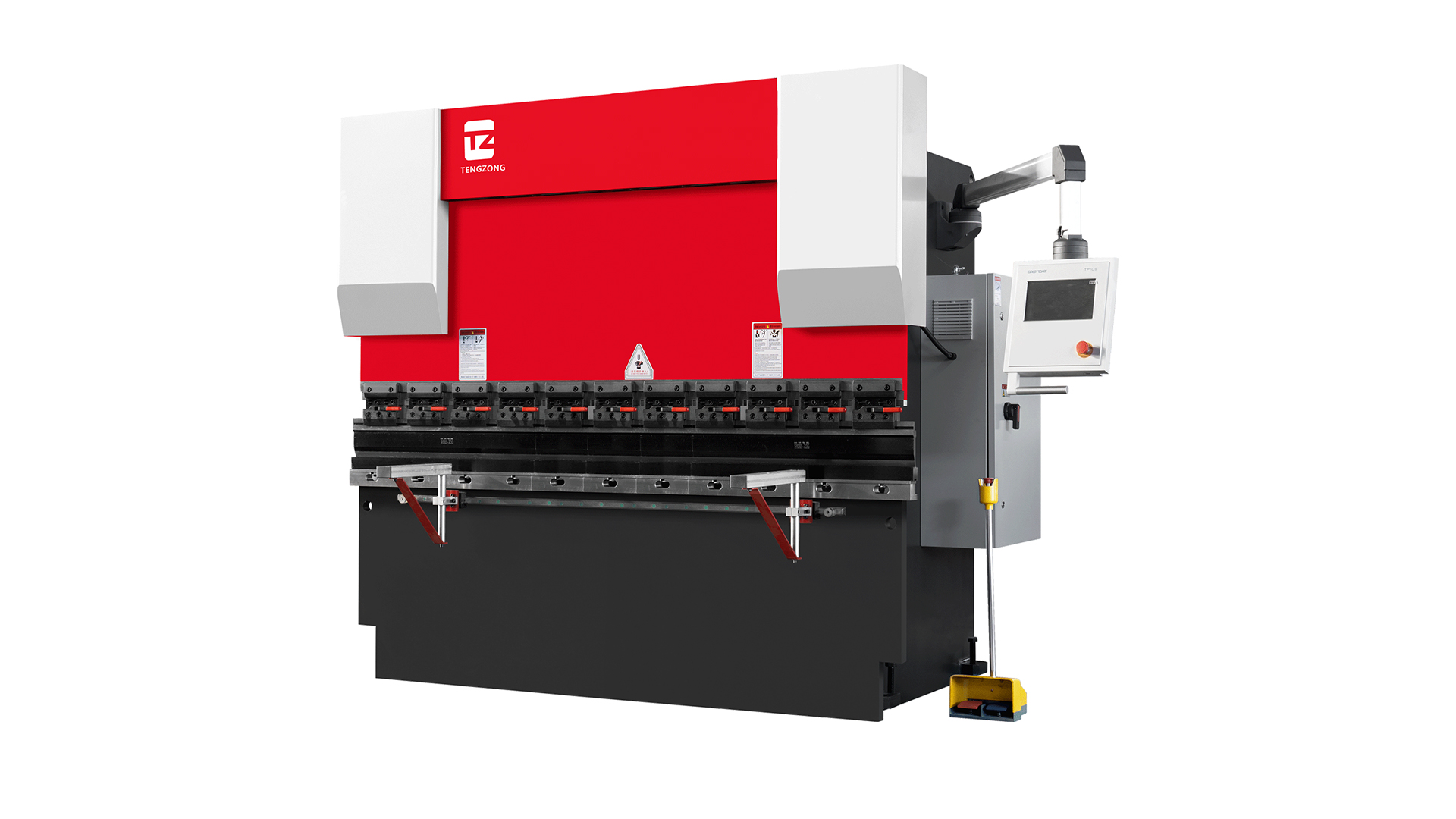
On a press brake, 10 gauge carbon steel calls for a V-die opening of about one inch under the common eight-times-thickness rule, and the tonnage calculation should use 0.1345 inch rather than the gauge number so the result matches the actual material. Buyers comparing machines should also distinguish a machine's tonnage rating from the bending force it can actually apply on a given job, a difference explained in this guide to tonnage ratings and bending force. For thin-to-medium sheet like 10 gauge, CNC electric servo machines hold angle and flange length repeatability well on short runs.
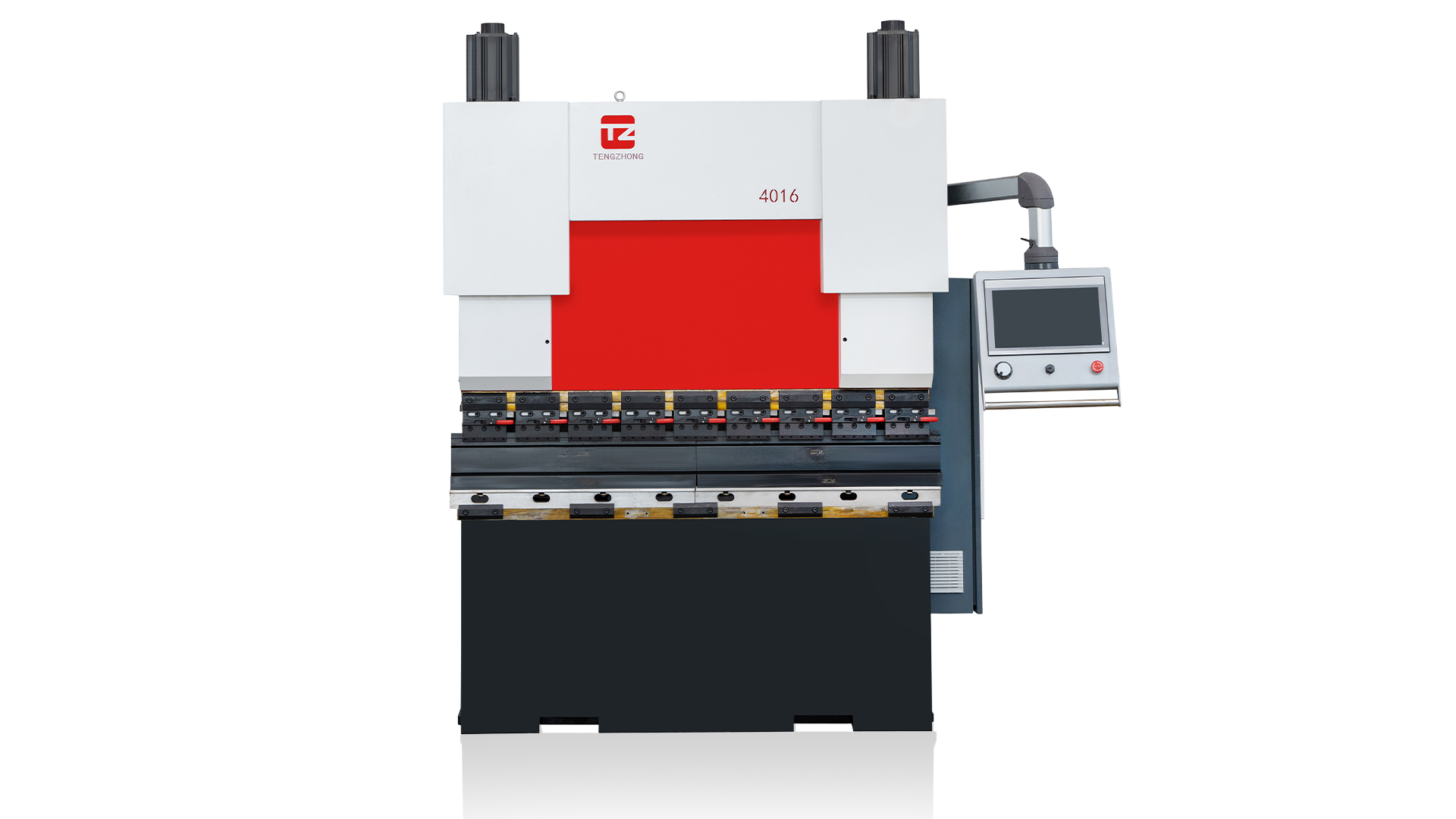
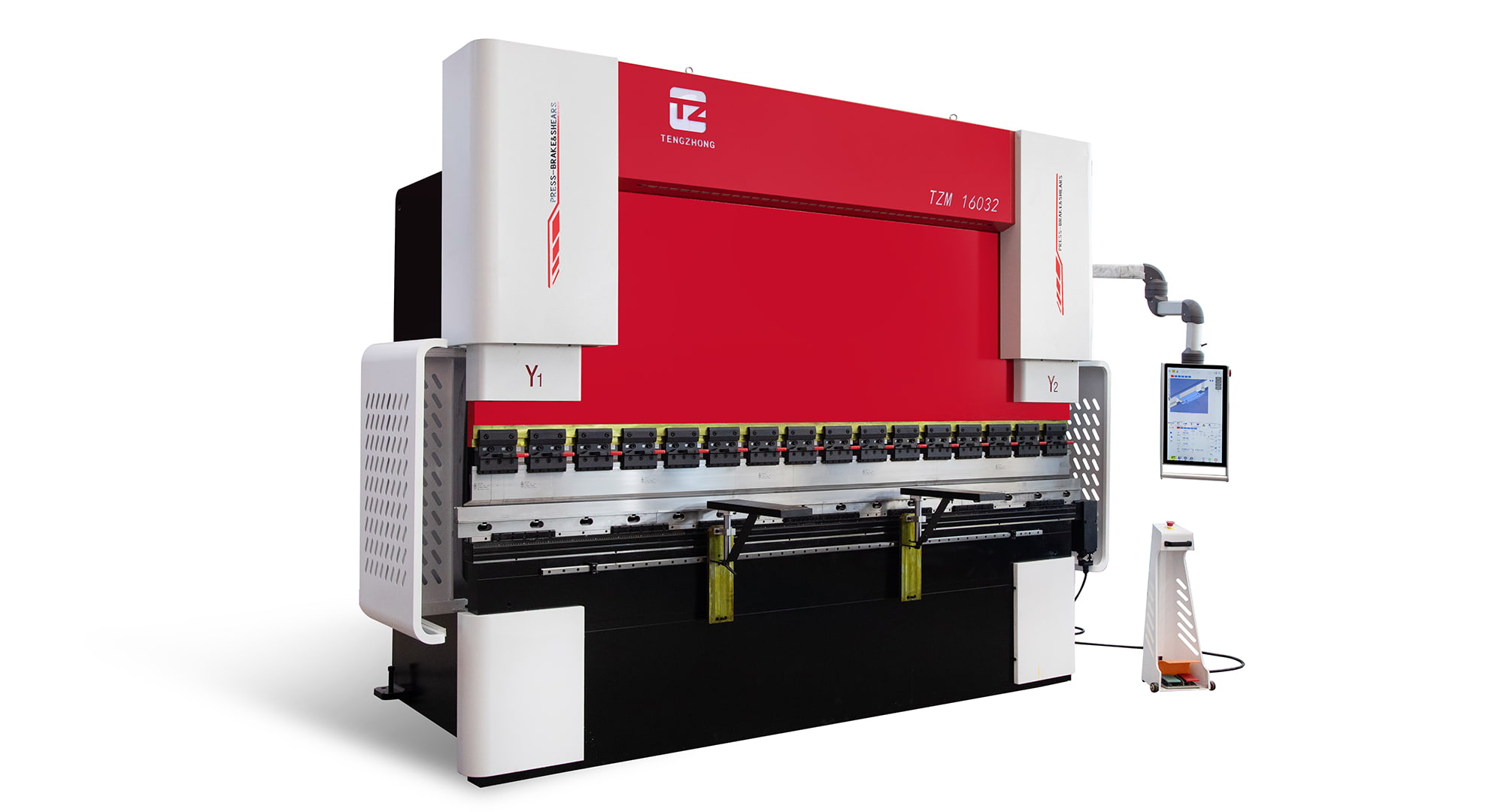
 CNC Servo Electric Press Brake for Precision BendingFor thin-to-medium sheet like 10 gauge, bending repeatability depends on precise positioning and consistent force. This servo electric press brake eliminates hydraulic oil temperature effects, delivers micron-level positioning, and features a servo-driven back gauge for stable, accurate bending.View Product →
Grooving Depth Is a Percentage of Thickness
Fabricators who groove before bending set groove depth as a fraction of sheet thickness, commonly leaving 0.2 to 0.4 mm (0.008 to 0.016 inch) of material uncut at the bottom so the bend stays sharp without cracking or thinning the surface. On a 3.42 mm sheet of 10 gauge carbon steel, that puts groove depth near 3.0 mm. Depth control on a CNC grooving machine is entered in millimeters or inches against the actual sheet thickness, which is another reason the decimal conversion has to be correct before programming begins.
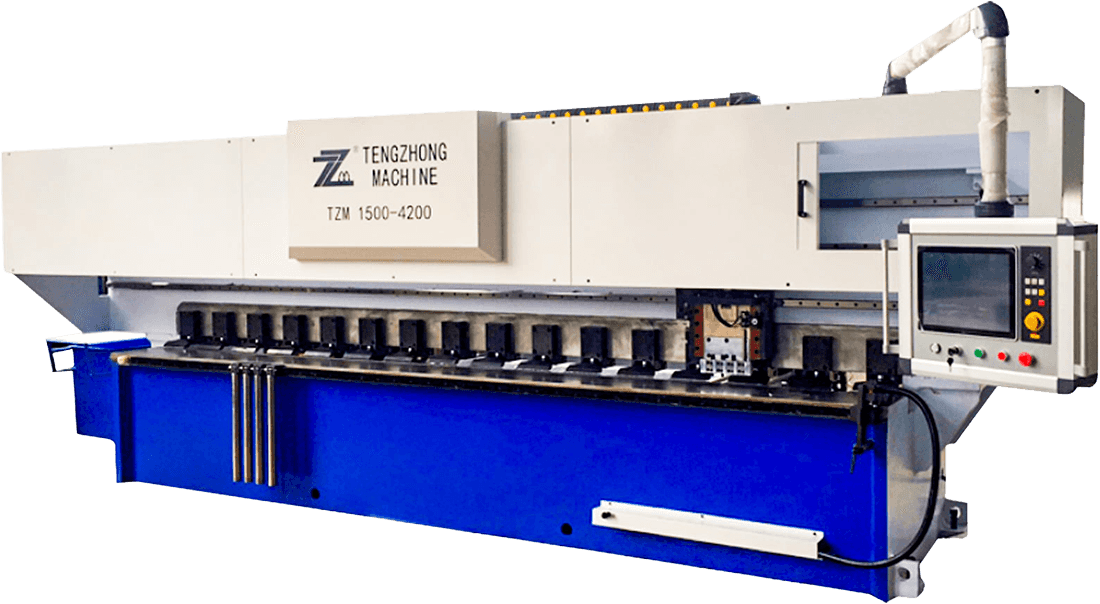 CNC Vertical Grooving Machine for Sheet Metal GroovesGrooving before bending requires precise depth control, typically leaving a thin uncut layer to keep bends sharp without cracking. This CNC vertical grooving machine precisely controls tool path and depth on vertical workpieces, suiting plate processing in fabrication and decoration work.View Product →
Specifying Thickness on Drawings and Purchase Orders
Because gauge is ambiguous across materials, fabrication buyers and job shops reduce disputes with a few ordering habits:
- Name the material with the gauge: "10 gauge 304 stainless, 0.1406 in. nominal" instead of "10 gauge sheet."
- Place the decimal or millimeter value on drawings next to the gauge callout, so CNC programs, backgauge stops, and clearance settings are built from one number.
- State tolerance separately. Mill tolerances vary by product form and rolling method, so request the supplier's published tolerance rather than assuming a figure.
- Confirm the standard when drawings cross borders. European suppliers quote millimeters, while U.S. drawings often use gauge, and the two only reconcile after the material standard is named.
- Verify incoming sheet with a micrometer at several points away from the edge, since gauge stamps and labels describe nominal thickness, not the measured value.
These steps cost minutes. Skipping them is what turns a 0.1345 inch assumption into a 3.57 mm surprise.
For carbon steel sheet, 10 gauge converts to 0.1345 inches, with 0.1406 for stainless, 0.1382 for galvanized, and 0.1019 for aluminum under the Brown & Sharpe scale. Treat the gauge number as shorthand that becomes a real measurement only when the material and standard are named. Converting to inches or millimeters before sizing a shear, calculating bend tonnage, setting groove depth, or releasing a purchase order removes the last ambiguity that still causes rework on fabrication floors.

-
Phone
+86 131-4173-2687
-
Address
6 Jianghai Road,Libao Town, Haian. Jiangsu Province, China
-
Medla

Copyright o Nantong Tengzhong Machinery Manufacturing Co., Ltd. All Rights Reserved.
