
 English
 русский
 Français
 Español
 Português
 عربى
عربى

-


Model:
-

Model:
-

Model:

NC Press Brake: What It Is and How to Choose the Right One
2026-02-28
Content
- 1 What Makes an NC Press Brake Different
- 2 Key Specifications to Understand Before Buying
- 3 Common Applications Where NC Press Brakes Excel
- 4 NC vs CNC Press Brake: When to Upgrade
- 5 Tooling Compatibility and Setup Considerations
- 6 Hydraulic vs Electric NC Press Brake
- 7 What to Look for When Evaluating NC Press Brake Brands
- 8 Final Takeaway
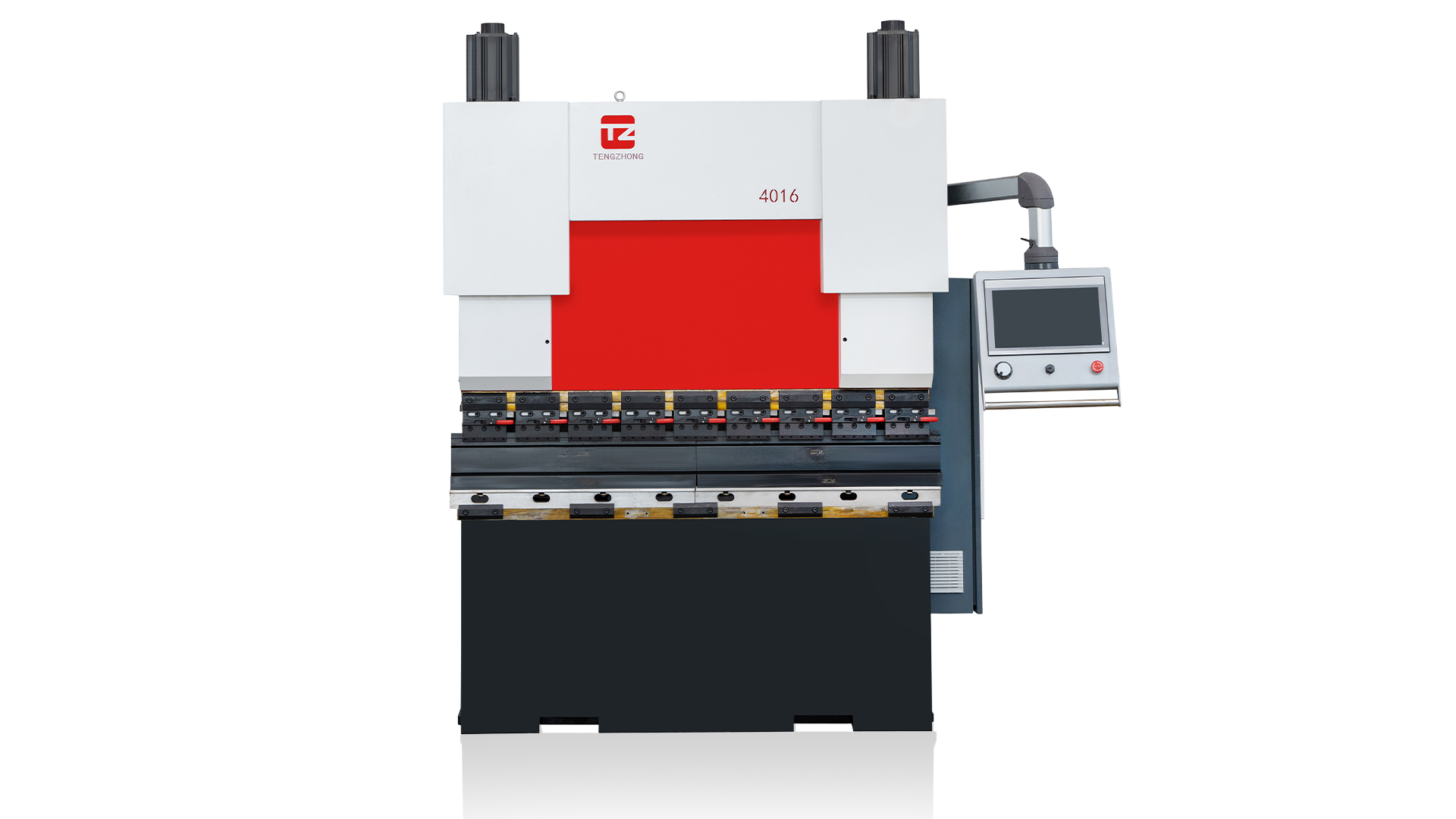
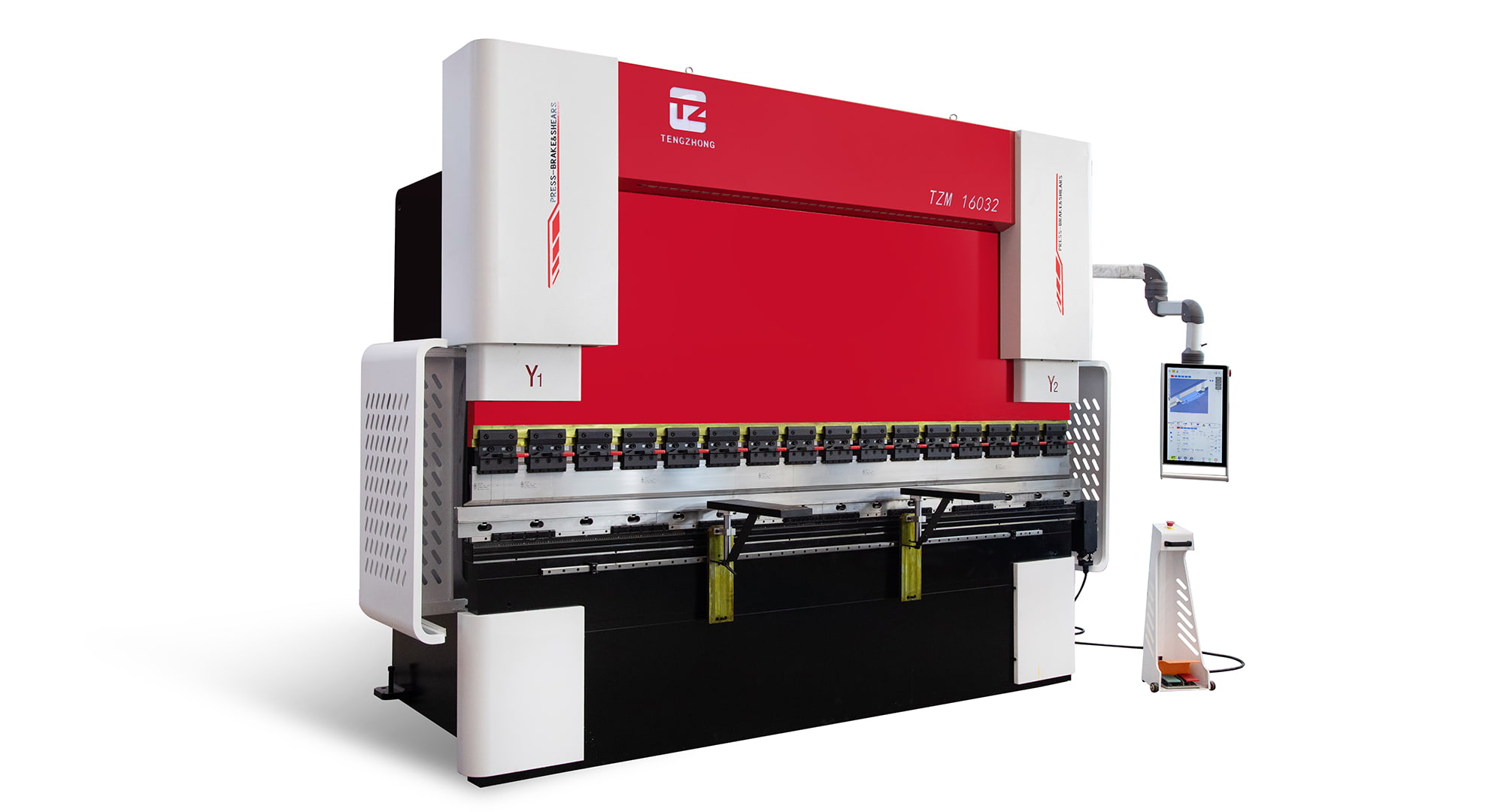
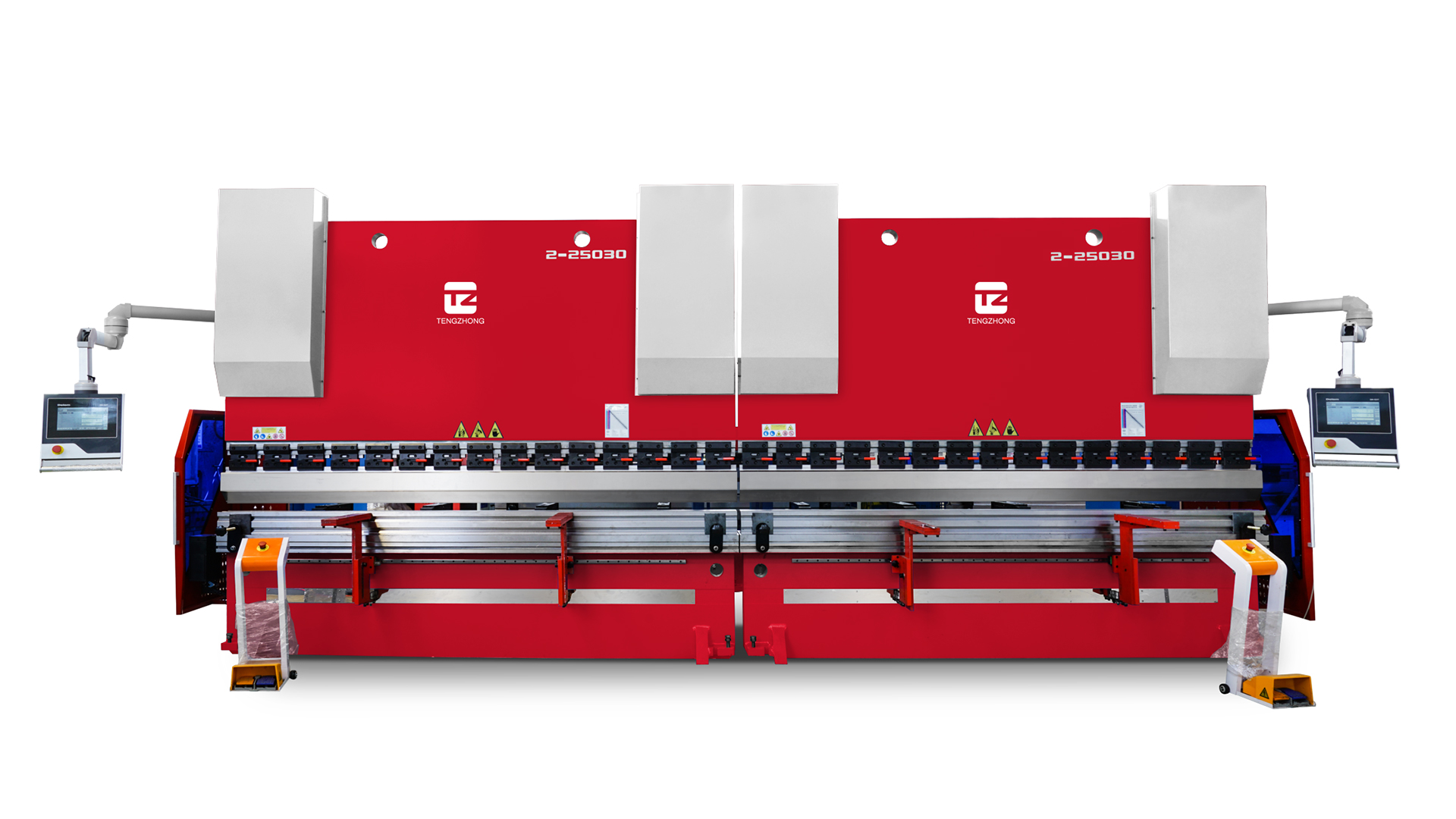
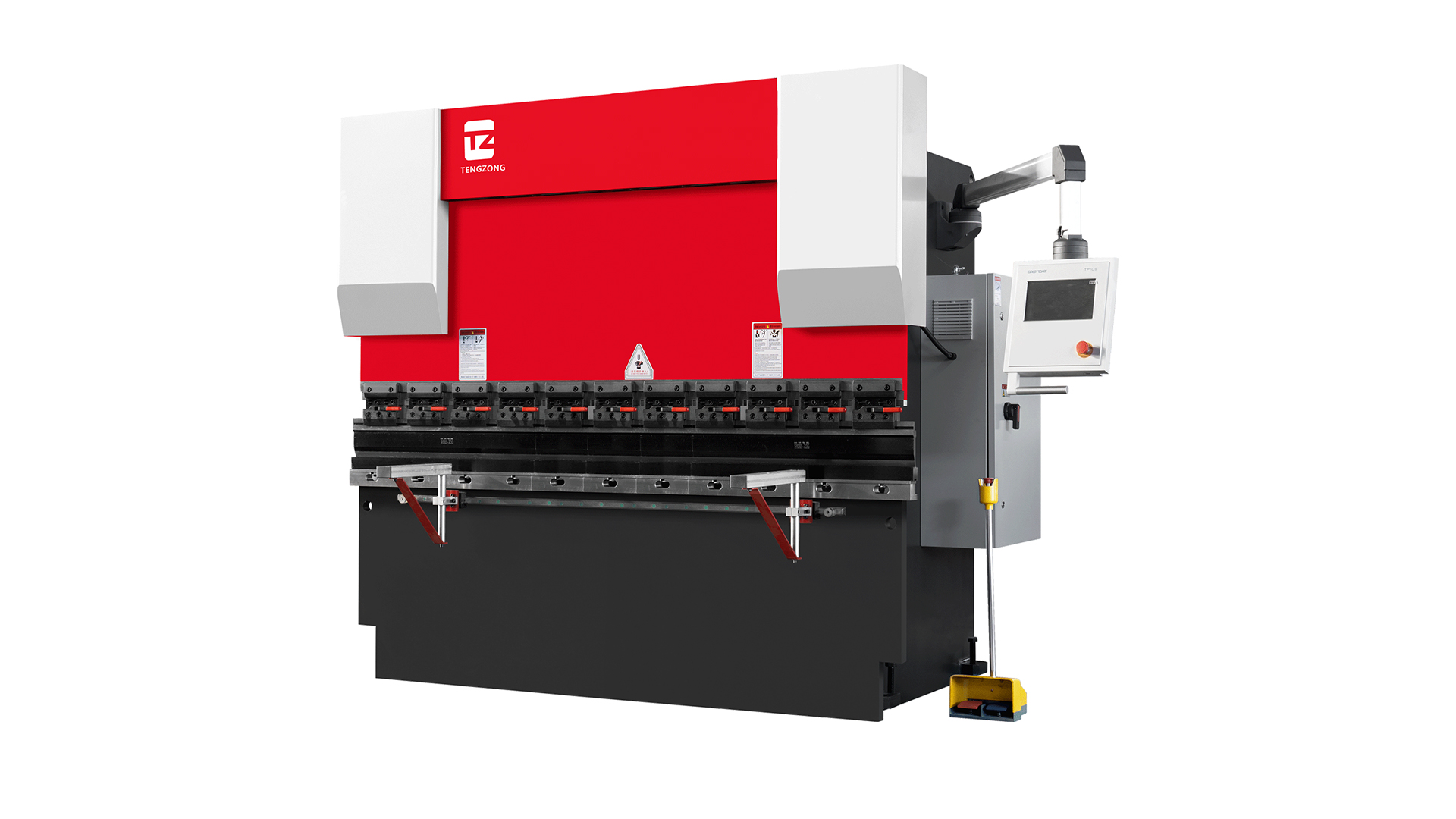
An NC press brake (Numerically Controlled press brake) is a sheet metal bending machine that uses a pre-programmed numeric controller to automate back gauge positioning and ram depth, delivering repeatable bends without requiring full CNC sophistication. For small-to-mid-volume fabrication shops that need more consistency than a manual brake but don't require the full automation of a CNC system, an NC press brake is often the most cost-effective solution.
What Makes an NC Press Brake Different
The core distinction lies in the control system. A manual press brake relies entirely on operator skill for every adjustment. An NC press brake uses a numeric controller — typically a 2-axis or 4-axis unit — to automate the back gauge (X-axis) and ram stroke (Y-axis). A CNC press brake goes further, adding multi-axis servo control, graphical programming, and often offline CAD/CAM integration.
In practical terms, an NC press brake operator enters bend angles, material thickness, and back gauge positions via a numeric keypad or simple controller interface. The machine then positions the back gauge and controls ram depth automatically for each step in the bend sequence.
| Feature | Manual Press Brake | NC Press Brake | CNC Press Brake |
|---|---|---|---|
| Back Gauge Control | Manual | Automated (2–4 axis) | Fully servo-driven (up to 6+ axis) |
| Ram Depth Control | Manual | Numeric preset | Closed-loop servo |
| Programming Interface | None | Numeric keypad / basic controller | Graphical / CAD/CAM offline |
| Typical Price Range | $5,000–$30,000 | $20,000–$80,000 | $80,000–$400,000+ |
| Best For | Low volume, simple bends | Repetitive mid-volume jobs | High-volume, complex geometry |
Key Specifications to Understand Before Buying
Not all NC press brakes are built the same. These are the specifications that actually determine whether a machine fits your work:
Tonnage
Tonnage refers to the maximum bending force. A common rule of thumb: bending 1mm mild steel requires approximately 8 tons per meter of bend length. A 40-ton machine suits light sheet work up to 2mm; a 100-ton machine handles thicker structural steel up to 6mm or more. Undersizing tonnage is the most common purchasing mistake.
Bending Length
This is the maximum workpiece width the machine can accommodate. Standard NC press brakes range from 1,250mm (4 ft) to 4,000mm (13 ft). Match this to your largest common part, not your largest possible part.
Number of Controlled Axes
Entry-level NC controllers manage 2 axes: back gauge depth (X) and ram stroke (Y). More capable NC units add a second back gauge finger (X1/X2) and vertical back gauge travel (R-axis), giving you 4-axis control — sufficient for most repetitive bending tasks.
Controller Brand and Interface
Common NC controllers include the Estun E21, DA-41T (ESA), and Cybelec series. These allow storage of multiple bending programs, step-by-step bend sequences, and basic material compensation. The quality of the controller directly affects setup time and repeatability.
Common Applications Where NC Press Brakes Excel
NC press brakes are particularly well-suited for work where part geometry is moderate, batch sizes are small to medium, and fast changeover matters more than lights-out automation. Typical use cases include:
- HVAC duct and bracket fabrication
- Electrical enclosure panels and chassis
- Structural steel angles and channels
- Agricultural and construction equipment brackets
- Architectural metalwork and trim
A fabrication shop running 50–300 identical brackets per batch, for example, benefits significantly from an NC press brake's ability to recall saved bend programs and position the back gauge automatically — cutting setup time from 15–20 minutes to under 5 minutes on repeat jobs.
NC vs CNC Press Brake: When to Upgrade
The decision between NC and CNC often comes down to part complexity and volume thresholds. Here's a practical framework:
| Scenario | NC Sufficient? | Consider CNC? |
|---|---|---|
| Bends fewer than 4–5 per part | Yes | No |
| Complex 3D box or pan bending | Limited | Yes |
| High-mix, low-volume custom work | Yes | Optional |
| Production runs over 500 parts/day | No | Yes |
| Angle tolerance tighter than ±0.5° | No | Yes |
If your typical bend tolerance is ±1° and batch sizes stay under 200 parts, an NC press brake will almost always deliver a better return on investment than a CNC machine costing two to four times more.
Tooling Compatibility and Setup Considerations
NC press brakes typically accept European-standard (Wila/Trumpf-style) or American-standard tooling. The tooling system choice has a significant impact on setup time and tooling investment over the machine's lifetime. European-style precision-ground tools offer faster clamping and better repeatability but cost more upfront — typically $200–$600 per punch or die segment, compared to $50–$150 for standard American-style tooling.
For an NC press brake used in a general job shop, a practical starter tooling set includes:
- A 30° or 86° acute punch for tight bends
- A standard 88° gooseneck punch for box flanges
- V-dies in 6mm, 10mm, and 16mm openings to cover 1–4mm material range
- A hemming die for folded-edge work
Hydraulic vs Electric NC Press Brake
Most NC press brakes are hydraulic, but electro-hydraulic and all-electric servo options are increasingly available in the NC segment. The differences matter operationally:
- Hydraulic NC: Lower purchase price, higher tonnage capacity, requires hydraulic oil maintenance, slower cycle on light materials
- Electric servo NC: Faster cycle times (up to 30% improvement), energy savings of 30–50%, no hydraulic fluid, better precision — but higher upfront cost and limited to lower tonnage ranges (typically under 80 tons)
For shops running light-gauge stainless or aluminum under 3mm, an electric servo NC press brake often pays for itself in energy and maintenance savings within three to five years.
What to Look for When Evaluating NC Press Brake Brands
Brand reputation matters less than aftersales support when purchasing an NC press brake. Key evaluation criteria should include:
- Local technical support availability — downtime on a press brake directly halts production
- Controller spare parts availability — verify the controller model is still actively supported
- Frame rigidity and bed parallelism spec — look for parallelism tolerance of ±0.02mm or better
- Back gauge repeatability — ±0.1mm is standard; better machines achieve ±0.02mm
- Warranty terms on hydraulic seals and cylinders — these are the most common failure points
Well-regarded NC press brake manufacturers include Amada, Bystronic, Durma, Delem-equipped Chinese brands such as LVD-partnered lines, and Ermaksan — each offering different price-to-feature tradeoffs suitable for different production environments.
Final Takeaway
An NC press brake is the practical middle ground for fabricators who need more consistency and productivity than a manual machine can deliver, but don't yet need the complexity or price of full CNC. For most job shops producing repetitive sheet metal parts in small-to-medium batches, a well-specified NC press brake — matched correctly to tonnage, bending length, and controller quality — will outperform a CNC machine on return on investment. The key is buying to your actual workload, not your theoretical maximum.

-
Phone
+86 131-4173-2687
-
Address
6 Jianghai Road,Libao Town, Haian. Jiangsu Province, China
-
Medla

Copyright o Nantong Tengzhong Machinery Manufacturing Co., Ltd. All Rights Reserved.
