
 English
 русский
 Français
 Español
 Português
 عربى
عربى

-


Model:
-

Model:
-

Model:

What Is an NC Press Brake? Definition, Working Principle & Applications
2026-05-09
Content
NC Press Brake: The Essentials
An NC press brake — short for Numerically Controlled press brake — is a hydraulic sheet metal bending machine that uses a programmable numeric control system to automate ram movement and back gauge positioning. It sits between a fully manual press brake and a high-end CNC model: more precise and repeatable than hand-operated equipment, yet simpler and more affordable than electro-hydraulic CNC systems.
The defining mechanical feature is its torsion bar synchronization. A high-strength steel torsion shaft physically links the left and right cylinders, forcing both sides of the ram to travel up and down in unison. This mechanical linkage is what makes an NC machine reliable and straightforward — and also defines its limitations. Because synchronization is handled mechanically rather than electronically, the system has no real-time feedback and cannot self-correct if ram parallelism drifts under load.
The NC controller — typically a two-axis unit such as a Delem DA41 or E21 — lets operators program the Y-axis (ram depth) and X-axis (back gauge position). Most models store up to 128 bending programs with 16 steps each, which is more than enough for the repetitive, moderate-complexity work that defines the machine's ideal use case.
How the Torsion Bar System Works
Understanding the torsion bar mechanism clarifies both why NC press brakes are so durable and where they hit their ceiling. The hydraulic system uses gear pumps with cylinder ratios of 6:1 or 8:1. When the operator initiates a bend, oil is pumped to both cylinders simultaneously. The torsion shaft physically constrains the left and right swing arms, locking them into parallel descent.
Ram descent speed on a standard NC machine reaches around 80 mm/s, with back gauge travel at approximately 100 mm/s. These speeds are lower than CNC electro-hydraulic systems (which often exceed 200 mm/s on descent), but they are adequate for single-bend or simple multi-bend work where cycle time is not the bottleneck.
One critical constraint: NC press brakes perform poorly under eccentric (off-center) loading. Bending a short flange on one side of a long sheet places uneven stress on the torsion bar. Do it repeatedly, and the bar can deform permanently — causing the ram to drift out of parallel without any automatic correction. Centering workpieces properly is therefore not optional; it is a core operating discipline for these machines.
Key Specifications at a Glance
| Parameter | Typical Range |
|---|---|
| Tonnage | 40 – 200 tons |
| Bending Length | 1,600 – 4,000 mm |
| Ram Down Speed | ~80 mm/s |
| Back Gauge Speed | ~100 mm/s |
| Cylinder Ratio | 6:1 or 8:1 |
| Program Storage | Up to 128 programs, 16 steps each |
| Controllable Axes | X + Y (2-axis standard; some models up to 3+1) |
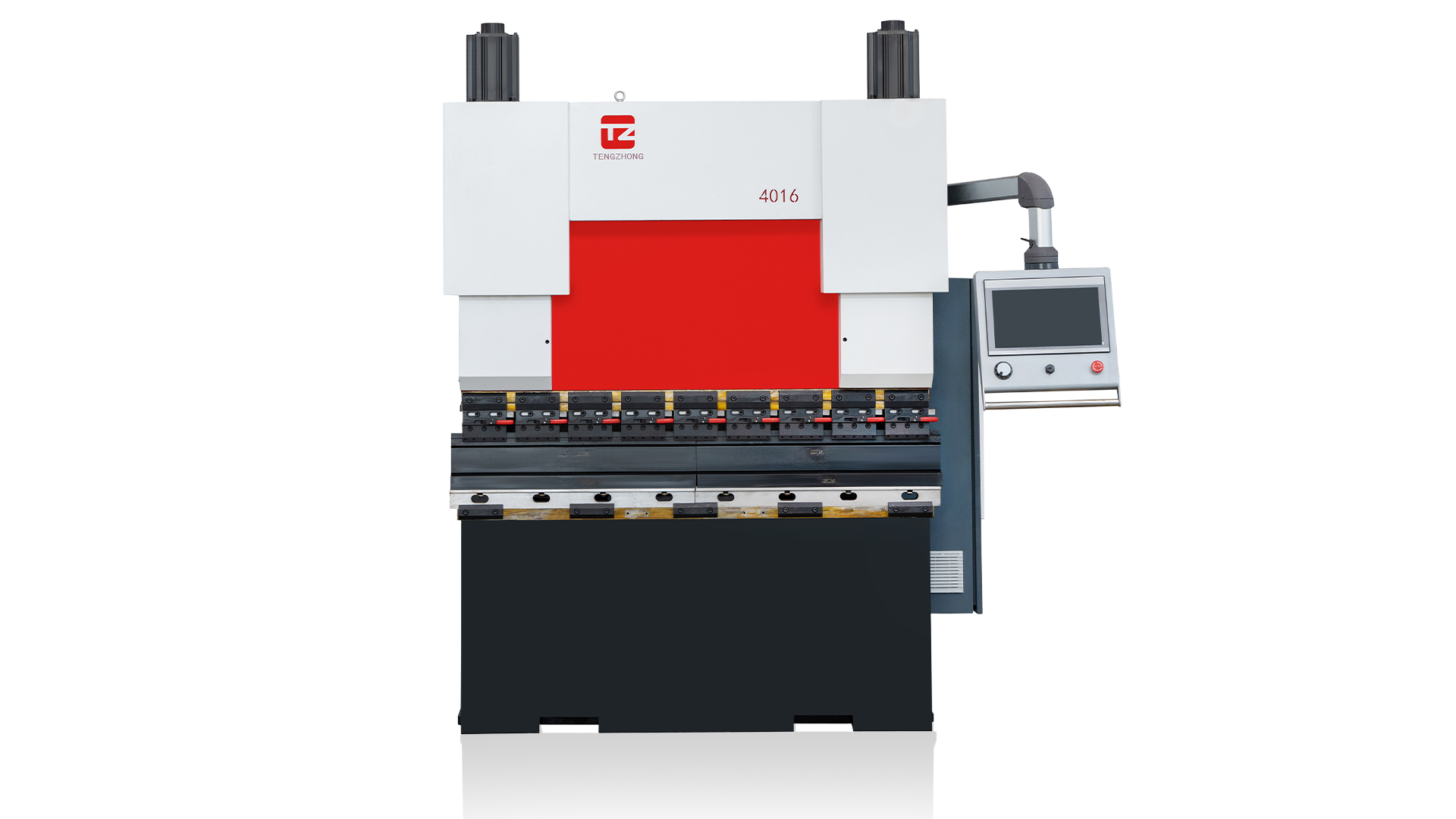
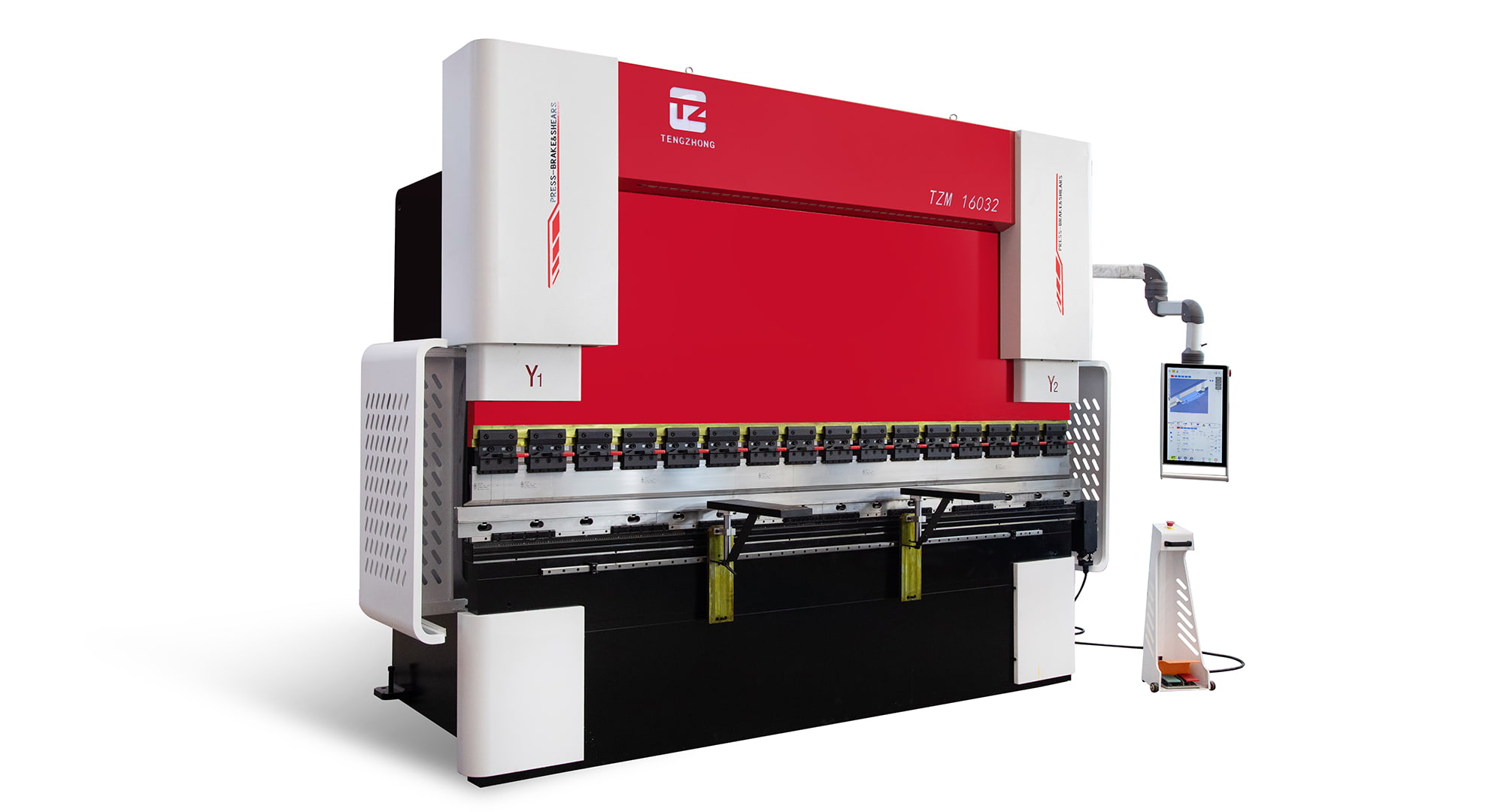
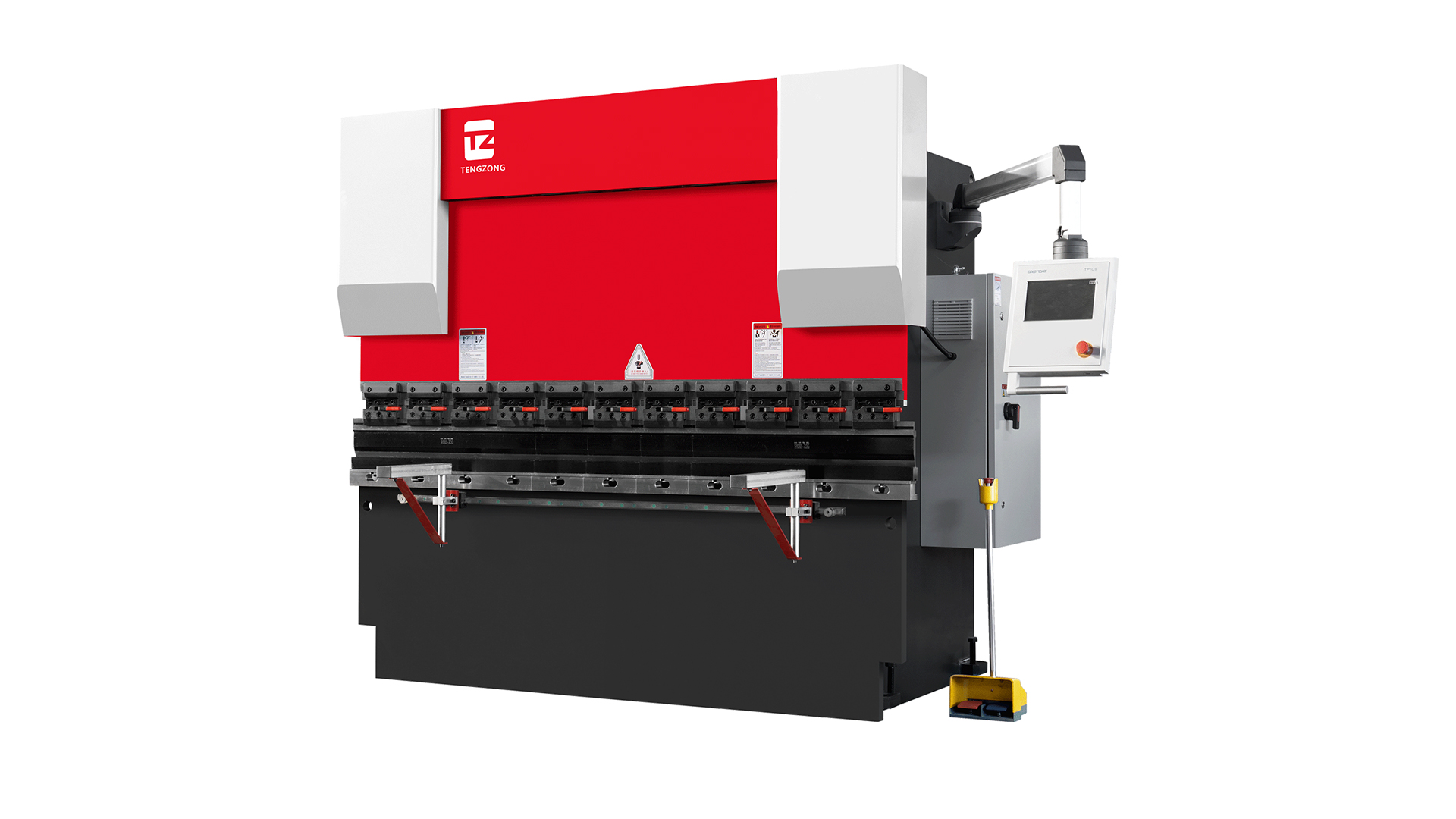
The torsion axis synchronous press brake is the standard NC configuration, available across a wide tonnage range to match different material thicknesses and bending lengths.
Where NC Press Brakes Perform Best
NC machines are the workhorses of job shops and small-to-medium fabricators. They excel in environments where part geometry is relatively simple, batch sizes are moderate, and operators have consistent experience with the equipment. Common applications include:
- Electrical enclosures and chassis cabinets
- HVAC ductwork and ventilation components
- Lighting fixtures and mounting brackets
- Agricultural equipment panels
- General structural brackets and frames
For these part families, an NC machine's quick mechanical setup and straightforward programming deliver consistent output without the overhead of a full CNC control system. Operators can become proficient within days, which reduces training costs and keeps throughput stable.
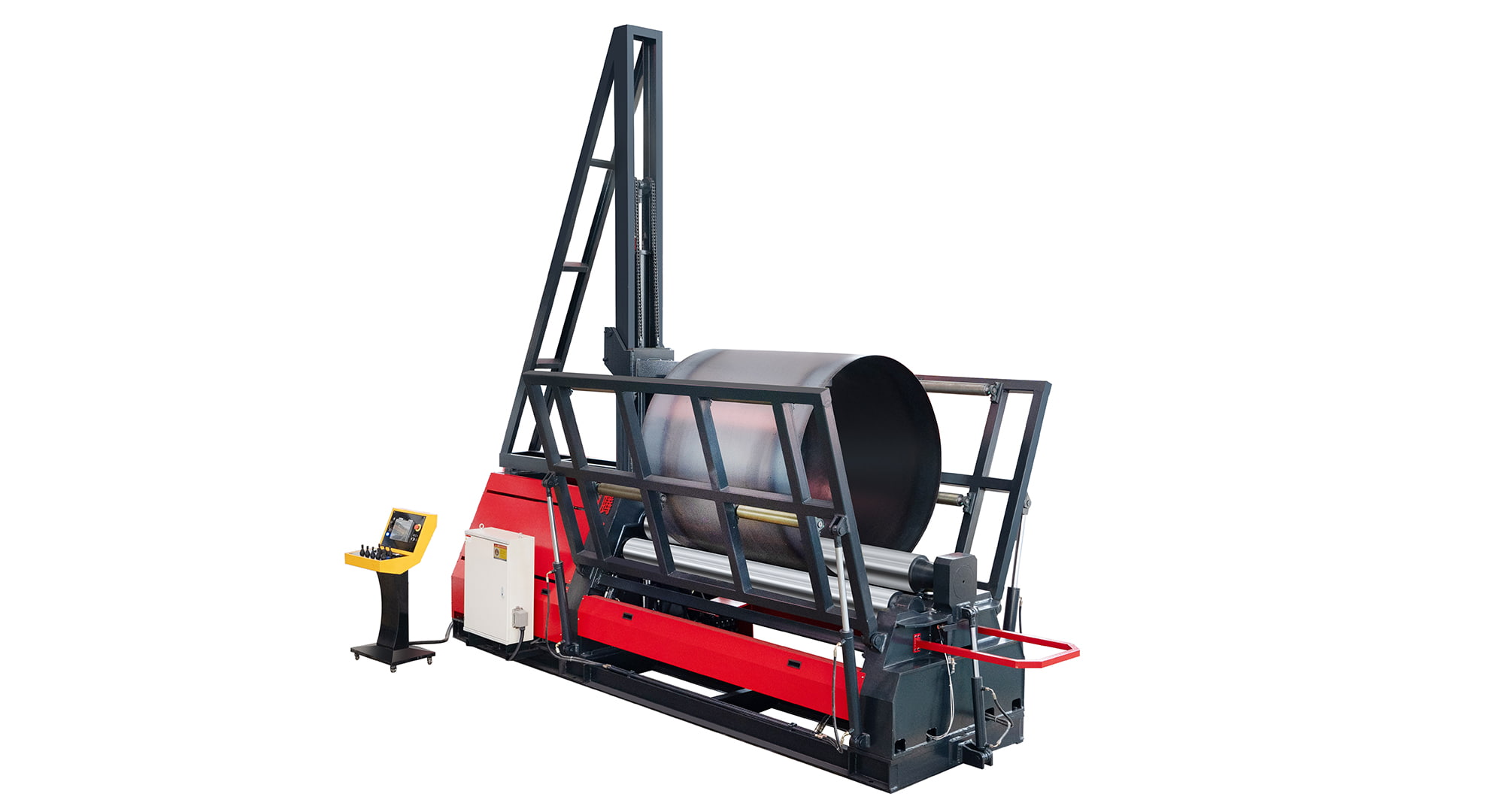
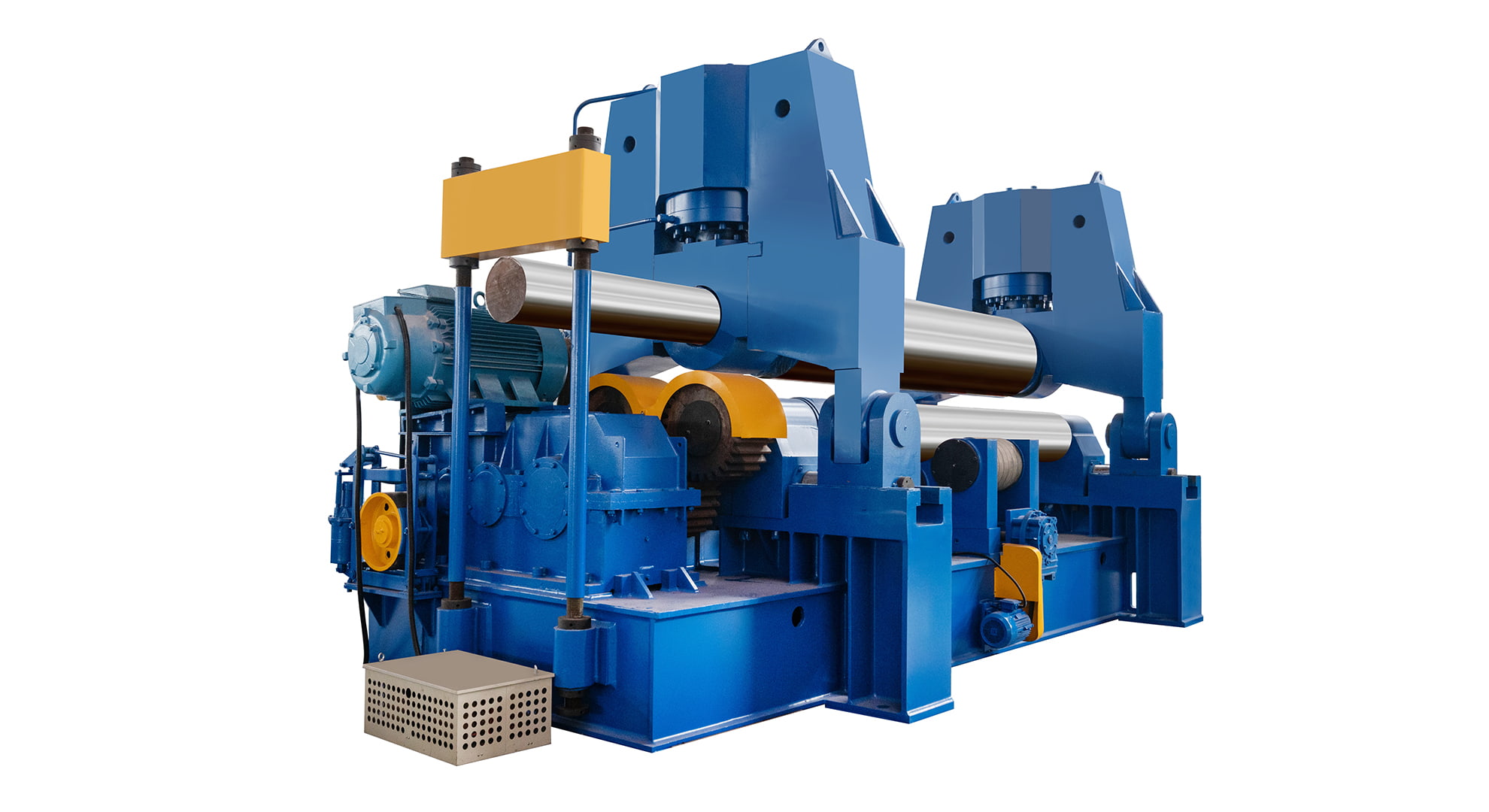
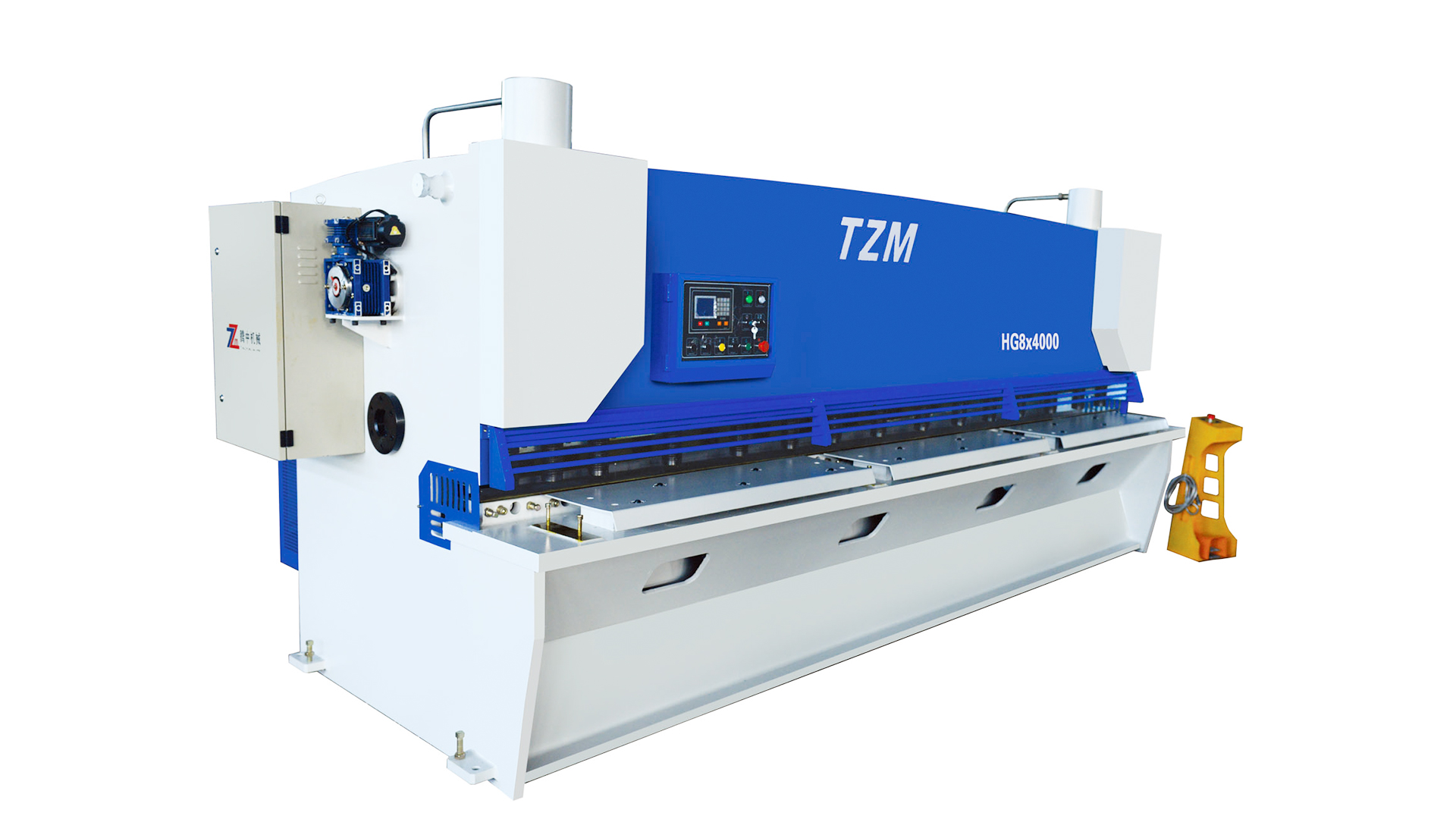
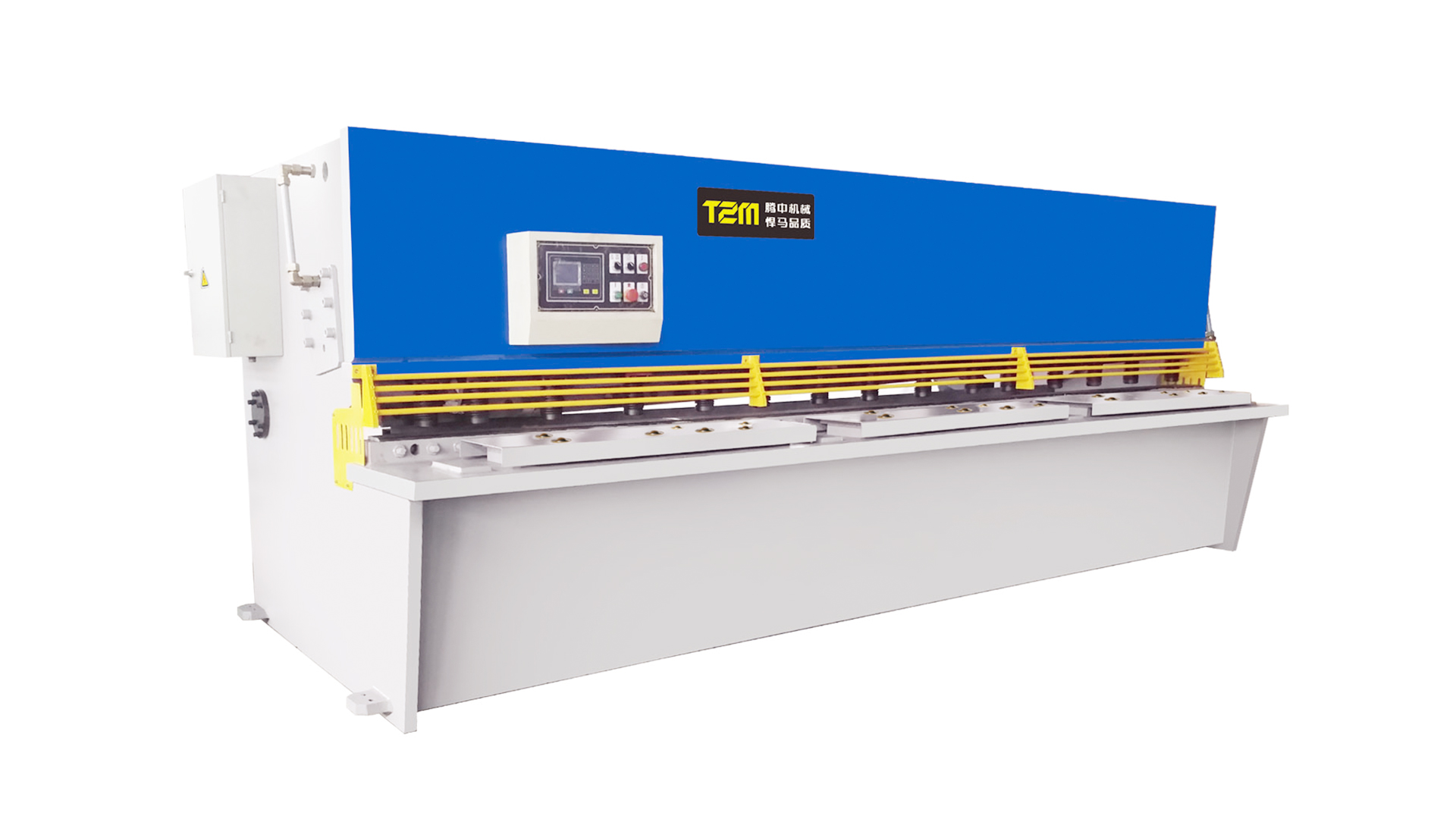
The machine pairs naturally with complementary fabrication equipment. Many shops that run NC press brakes also use hydraulic shearing machines for sheet metal cutting and plate rolling machines for curved or cylindrical parts, creating a complete fabrication cell without heavy capital investment.
NC vs. CNC: Where the Line Is Drawn
The choice between NC and CNC comes down to three factors: part complexity, volume, and budget. Below 200 tons, a CNC press brake typically costs more than twice an equivalent NC machine. That price gap is real, and for shops processing straightforward parts in moderate volumes, it may never be recovered through productivity gains.
However, the equation shifts decisively once jobs involve multiple bends with variable back gauge positions, tight angular tolerances (±0.1° or better), or frequent changeovers between dissimilar parts. CNC systems with linear encoders and proportional valves can maintain ±0.01 mm ram accuracy through continuous closed-loop correction — something a torsion bar machine physically cannot do. The CNC also recalculates bend allowances, adjusts crowning automatically, and repositions the back gauge between bends without operator intervention.
For shops that need the flexibility and precision of a CNC platform, the electro-hydraulic servo press brake and the fully electric servo press brake represent the next step up, with independent Y1/Y2 axis control and real-time feedback loops that handle eccentric loads without deforming any mechanical component.
When an NC Press Brake Makes Sense
The NC press brake's value proposition is straightforward: it delivers reliable, repeatable bending for common fabrication tasks at a fraction of the cost of a full CNC system. Its mechanical simplicity means fewer electronics to fail, less dependence on sensor calibration, and lower maintenance overhead — advantages that matter in high-dust environments or regions with limited technical support infrastructure.
If your shop processes parts with consistent geometry, your operators are experienced, and you need a dependable machine that will run for decades with minimal fuss, an NC press brake remains one of the most cost-effective investments in sheet metal fabrication. The key is knowing its ceiling — and not pushing it past what it was designed to do.
For a broader look at press brake types and how to match them to your production requirements, see this guide to press brake machine types, working principles, and selection criteria.

-
Phone
+86 131-4173-2687
-
Address
6 Jianghai Road,Libao Town, Haian. Jiangsu Province, China
-
Medla

Copyright o Nantong Tengzhong Machinery Manufacturing Co., Ltd. All Rights Reserved.
