
 English
 русский
 Français
 Español
 Português
 عربى
عربى

-


Model:
-

Model:
-

Model:

Plate Rolling Machine Guide: Types, Working Principles, Applications, and Buying Tips
2026-01-30
Content
- 1 Understanding What a Plate Rolling Machine Does
- 2 How Plate Rolling Machines Work in Real Production
- 3 Main Types of Plate Rolling Machines You Should Know
- 4 Key Components That Affect Performance
- 5 Industries That Depend on Plate Rolling Machines
- 6 How to Choose the Right Plate Rolling Machine
- 7 Typical Operating Process Step by Step
- 8 Safety Practices Every Operator Should Follow
- 9 Maintenance Tips for Long-Term Reliability
- 10 Factors That Influence Plate Rolling Machine Price
- 11 Future Trends in Plate Rolling Technology
Understanding What a Plate Rolling Machine Does
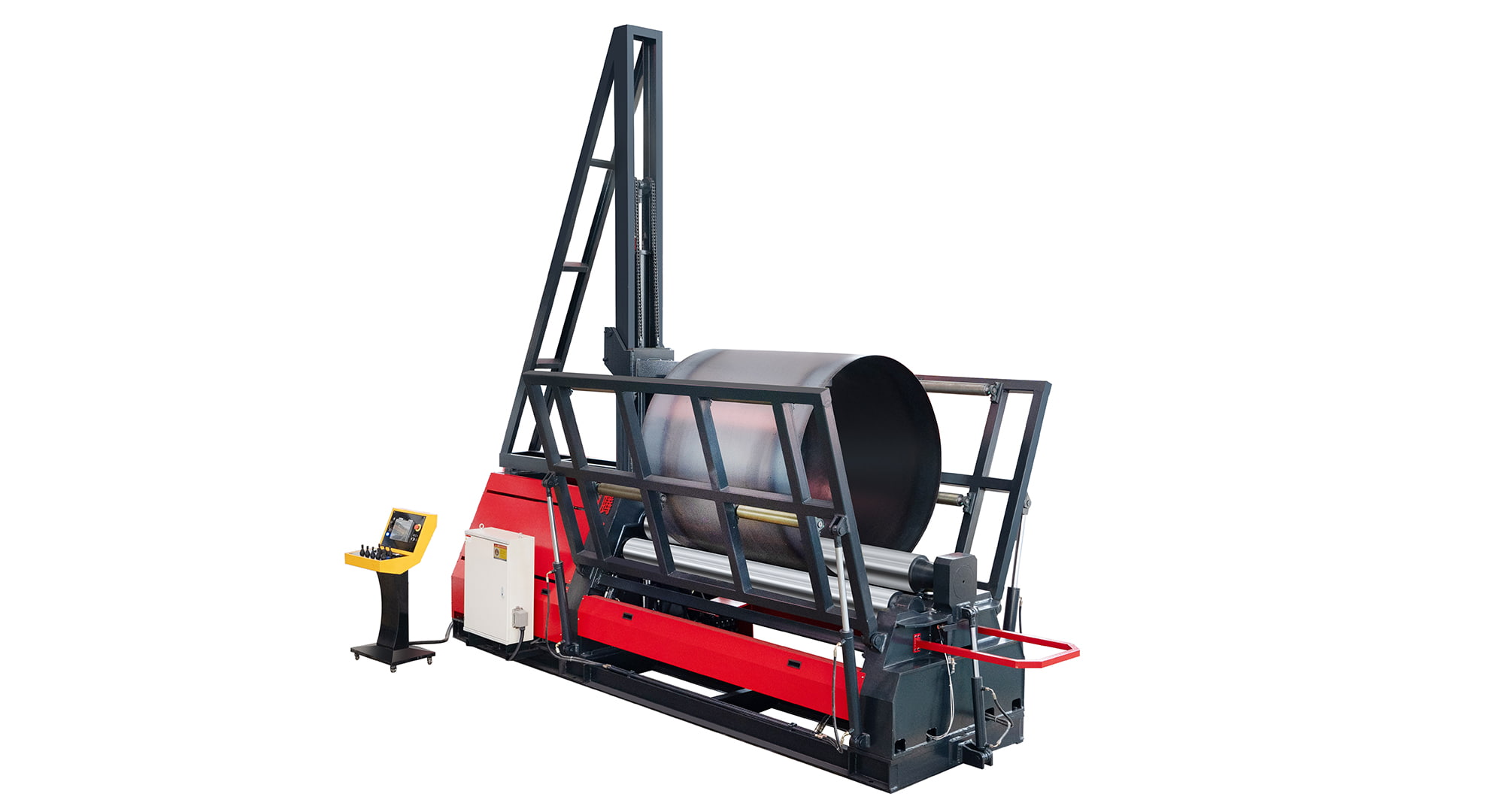
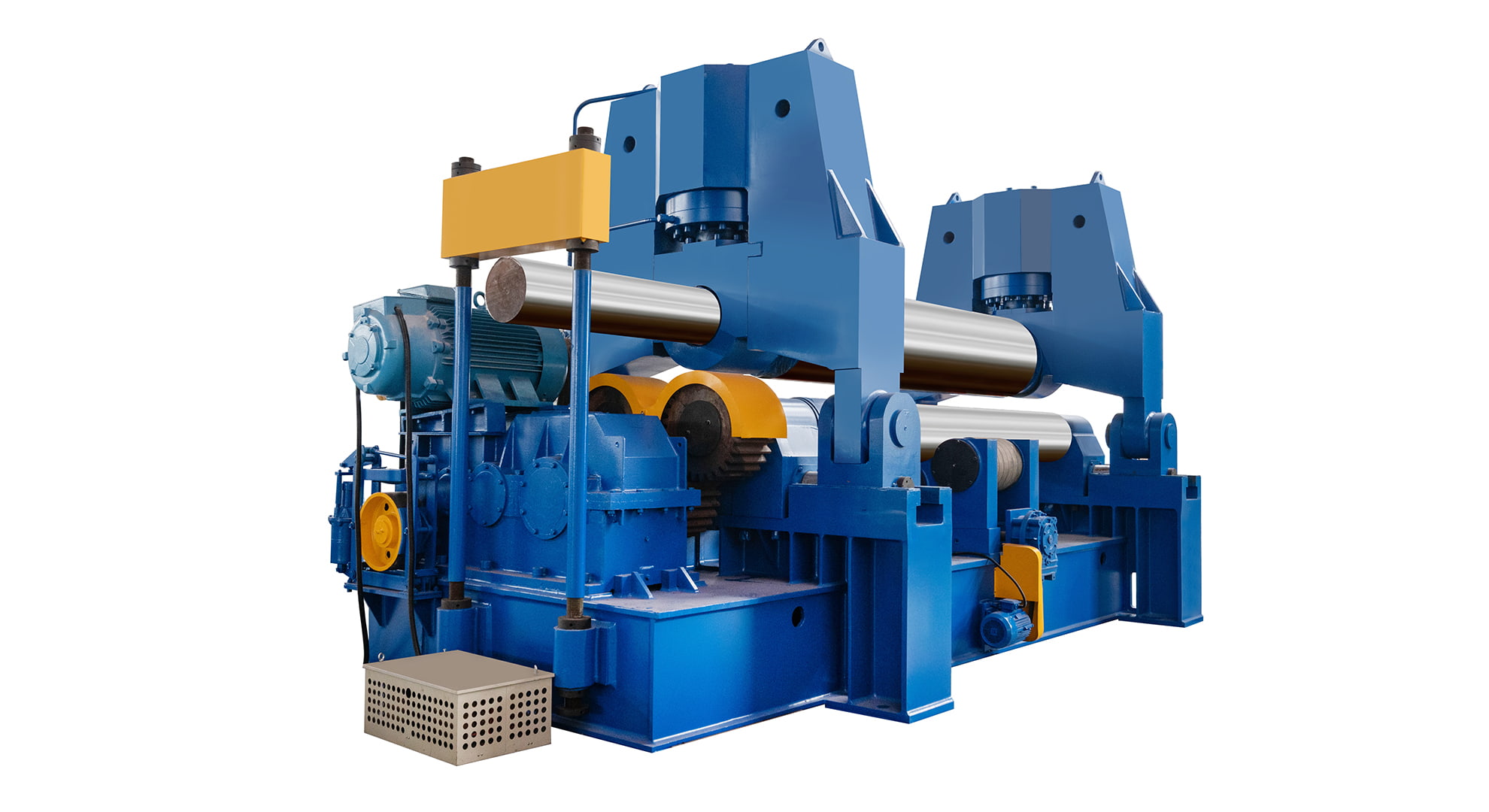
A plate rolling machine, also known as a metal plate rolling machine or plate bending machine, is used to shape flat metal sheets into cylindrical, conical, or curved forms. These machines are widely used in industries such as shipbuilding, pressure vessel manufacturing, oil and gas, and structural steel fabrication. By applying controlled pressure through rollers, the machine gradually bends thick metal plates without cracking or deforming the material.
How Plate Rolling Machines Work in Real Production
The working principle is based on rolling force and progressive bending. The metal plate is fed between rollers, where hydraulic or mechanical pressure causes gradual curvature. The operator adjusts roller positions depending on thickness and desired radius.
- Top roller presses downward to initiate bending
- Side rollers control curvature and alignment
- Multiple passes refine shape accuracy
Main Types of Plate Rolling Machines You Should Know
Three-Roll Plate Rolling Machine
The 3 roll plate bending machine is economical and widely used for medium-duty projects. It requires pre-bending on edges before full rolling and works well for standard cylindrical forms.
Four-Roll Plate Rolling Machine
A 4-roll CNC plate rolling machine offers higher precision and easier operation. It allows automatic pre-bending, better control, and faster processing — ideal for heavy industrial workloads.
| Feature | 3-Roll Machine | 4-Roll Machine |
| Precision | Medium | High |
| Automation | Manual/Semi | CNC Automatic |
| Price Range | Lower | Higher |
Key Components That Affect Performance
- Hydraulic cylinders for controlled pressure
- Hardened steel rollers for durability
- CNC control system for precision shaping
- Safety sensors and overload protection
Industries That Depend on Plate Rolling Machines
Plate rollers are essential across heavy manufacturing sectors where curved metal structures are required.
- Pressure vessels and storage tanks
- Ship hull sections
- Wind turbine towers
- Structural steel fabrication
How to Choose the Right Plate Rolling Machine
Selecting the correct machine improves efficiency and prevents costly downtime.
- Maximum plate thickness and width
- Required bending radius
- Automation needs (manual vs CNC)
- Available workshop space
Typical Operating Process Step by Step
A consistent operating workflow ensures uniform bending and long machine life.
- Load plate and align edges
- Pre-bend both ends
- Roll progressively to desired diameter
- Remove finished cylinder or cone
Safety Practices Every Operator Should Follow
Because hydraulic plate rollers handle heavy materials, proper safety procedures are essential.
- Wear protective gloves and eye protection
- Never exceed rated thickness capacity
- Keep hands clear of roller zones
- Use emergency stop features properly
Maintenance Tips for Long-Term Reliability
Routine care reduces downtime and repair costs.
- Lubricate rollers and bearings regularly
- Inspect hydraulic hoses for leaks
- Check alignment and roller wear
- Update CNC software if applicable
Factors That Influence Plate Rolling Machine Price
The plate rolling machine price varies widely depending on several technical factors.
- Maximum bending thickness
- Number of rollers
- Hydraulic vs mechanical drive
- CNC control inclusion
Future Trends in Plate Rolling Technology
Modern sheet metal rolling machines are evolving with smart automation, AI-assisted bending accuracy, and energy-efficient hydraulic systems. Predictive maintenance sensors and cloud-based monitoring are increasingly used in large fabrication plants.

-
Phone
+86 131-4173-2687
-
Address
6 Jianghai Road,Libao Town, Haian. Jiangsu Province, China
-
Medla

Copyright o Nantong Tengzhong Machinery Manufacturing Co., Ltd. All Rights Reserved.
